CM Shivakumar, Nandan Nilekani Chair Karnataka Exam Reforms Meet
Synopsis
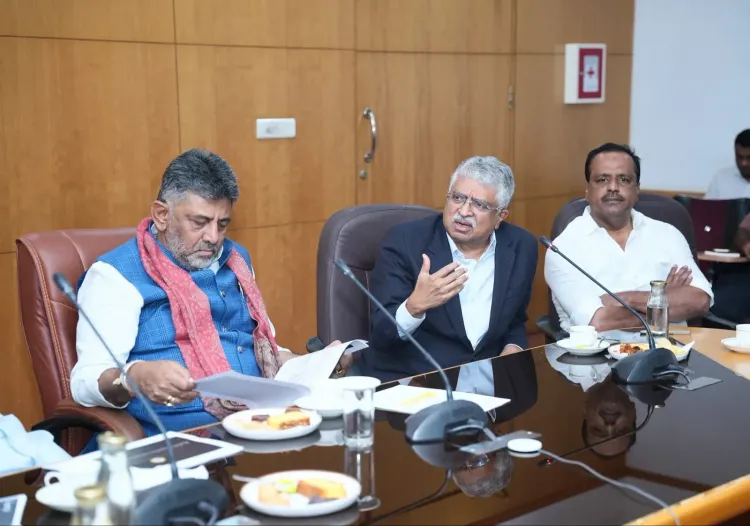
Karnataka CM D.K. Shivakumar chaired the High-Powered Task Force on Examination Reforms at Vidhana Soudha on 20 November 2026, alongside HPTF chairperson Nandan Nilekani and three cabinet ministers, pushing the state's education modernisation agenda forward.
Key Takeaways
Shivakumar chaired the High-Powered Task Force on Examination Reforms meeting at Vidhana Soudha on 20 November 2026 .
Nandan Nilekani , co-founder of Infosys and Aadhaar architect, serves as the HPTF's chairperson and was present at the meeting.
Cabinet ministers Basavaraj Rayareddy , Priyank Kharge , and U.T.
Khader attended alongside senior government officials.
The HPTF was constituted to tackle systemic issues in Karnataka's public examination system, including malpractice and assessment quality.
Formal recommendations from the task force are awaited and could lead to legislative or administrative changes before the next examination cycle.
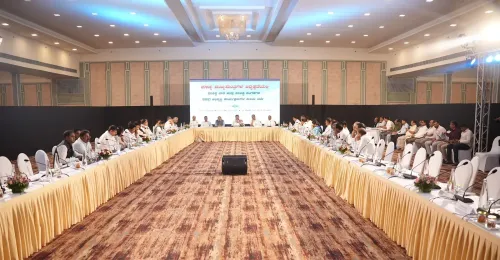
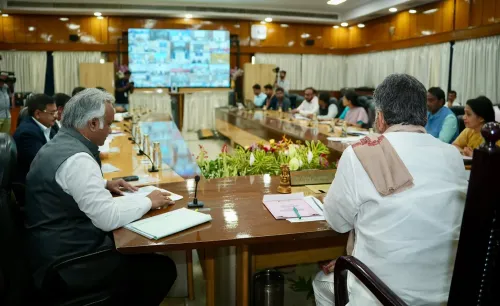
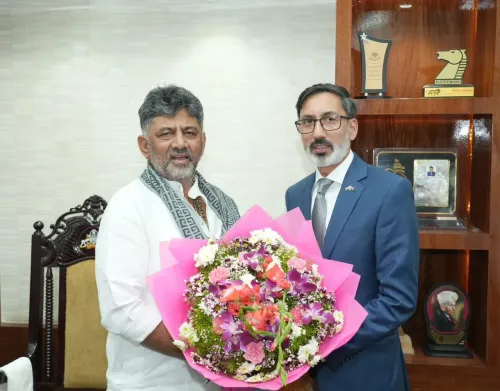
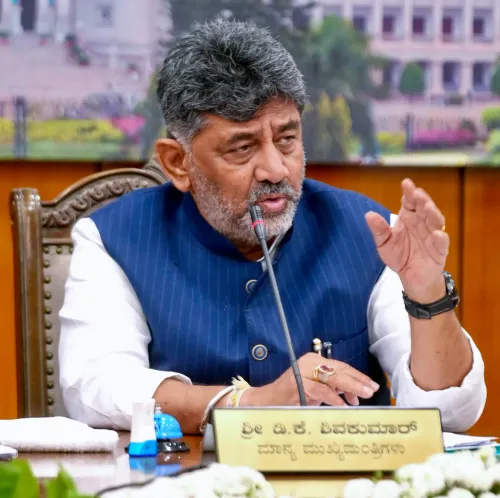
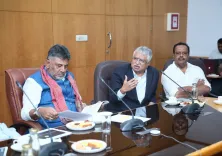
Karnataka's examination reform push got a high-powered room on Friday, 20 November 2026, when Chief Minister D.K. Shivakumar chaired a meeting of the High-Powered Task Force (HPTF) on Examination Reforms at Vidhana Soudha, Bengaluru — with tech-policy heavyweight Nandan Nilekani, the task force's chairperson, sitting alongside him at the table.
The meeting brought together Ministers Basavaraj Rayareddy, Priyank Kharge, and U.T. Khader, along with senior government officials, signalling that the state is mobilising its administrative and political weight behind the reform effort. Nilekani's presence — as the driving intellectual force of the HPTF — underscores the government's intent to bring a technology-informed lens to what has historically been a process-heavy, paper-driven system.
Why Nilekani at the Helm Matters
Nandan Nilekani, co-founder of Infosys and the architect of India's Aadhaar digital identity programme, has long straddled the worlds of enterprise technology and public policy. His appointment as HPTF chairperson reflects Karnataka's pattern of enlisting credible, independent domain experts to anchor high-stakes state commissions — lending both technical rigour and public confidence to reform mandates.
The High-Powered Task Force on Examination Reforms was constituted by the Karnataka government to address systemic issues in public examinations: a space long troubled by malpractice concerns, inconsistent assessment quality, and a creaking administrative apparatus. With Nilekani steering the recommendations and three cabinet ministers present, the state is clearly treating this as more than a bureaucratic exercise.
Karnataka's Bigger Bet on Education Modernisation
This meeting fits a broader pattern in Karnataka — one of India's most digitally ambitious states — of pairing administrative oversight with technology-driven solutions for public service delivery. The same logic that produced paperless land records and digital health IDs is now being applied to how the state tests its students.
What the task force ultimately recommends — whether on digital assessment, anti-malpractice protocols, or structural changes to the state board examination calendar — will ripple directly into the lives of millions of school students across Karnataka. The critical next beat is the HPTF's formal recommendations and whether they trigger legislative or administrative action before the next examination cycle.
When a government deploys its Chief Minister, three ministers, and one of India's most consequential technologists in the same room for an education meeting, the question is no longer whether reform is coming — it is how deep it will cut.
Point of View
With three ministers present, suggests the government wants visible political ownership of the outcome, not a report that quietly gathers dust. If the task force's recommendations translate into structural changes to the state board system, Karnataka could set a template for technology-augmented examination governance that other states watch closely. The real test arrives when vested interests in the existing system meet the reform proposals head-on.
NationPress
20 Nov 2026
Frequently Asked Questions
What is the High-Powered Task Force on Examination Reforms in Karnataka?
It is a state-level body constituted by the Karnataka government to address systemic issues in public examinations, including malpractice and assessment quality, with Nandan Nilekani serving as its chairperson.
Why is Nandan Nilekani the chairperson of Karnataka's examination reforms task force?
Nandan Nilekani, co-founder of Infosys and architect of India's Aadhaar programme, was appointed to bring technology and public policy expertise to Karnataka's examination reform process, lending the initiative credibility and a digital-solutions orientation.
What was decided at the HPTF meeting on 20 November 2026?
The specific agenda items and decisions of the meeting were not detailed in the official communication; the post confirmed that CM Shivakumar chaired the meeting at Vidhana Soudha with Nilekani and three cabinet ministers present.
Which ministers attended the Karnataka Examination Reforms Task Force meeting?
Ministers Basavaraj Rayareddy, Priyank Kharge, and U.T. Khader attended the meeting along with senior government officials.
Where was the Karnataka HPTF examination reforms meeting held?
The meeting was held at Vidhana Soudha in Bengaluru, the seat of the Karnataka state legislature.