MP's Kuno Welcomes Four New Cheetah Cubs, Count Hits 62
Synopsis
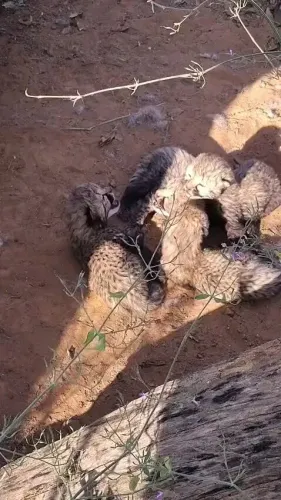
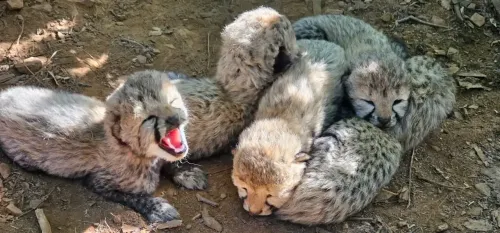
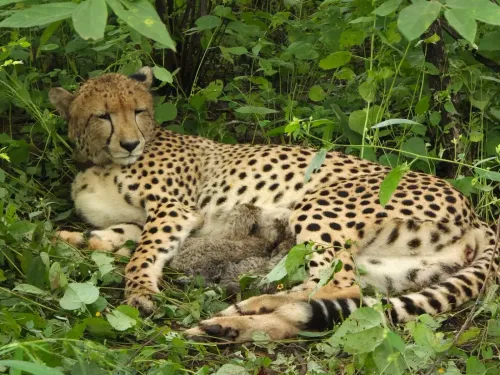
Female cheetah KOMG-3 has given birth to four cubs at Kuno National Park in Madhya Pradesh, the Chief Minister's Office announced on 20 November 2026, taking India's cheetah count to 62 — a milestone for Project Cheetah, which reintroduced the species after its extinction in 1952.
Key Takeaways
Female cheetah KOMG-3 delivered four cubs at Kuno National Park , Madhya Pradesh, on or before 20 November 2026 .
India's total cheetah population has reached 62 , according to the Chief Minister's Office of Madhya Pradesh.
Project Cheetah began in September 2022 with the release of eight Namibian cheetahs into Kuno by the Government of India.
Madhya Pradesh brands itself the 'Cheetah State', with Kuno as the flagship reintroduction site.
Breeding success in the wild is a key viability indicator for Project Cheetah alongside habitat management and prey availability.
Forest officials and wildlife researchers will closely monitor cub survival rates in the coming weeks.
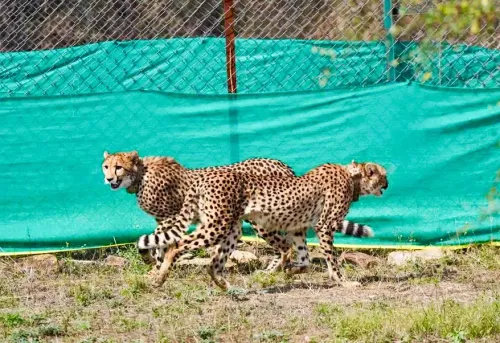
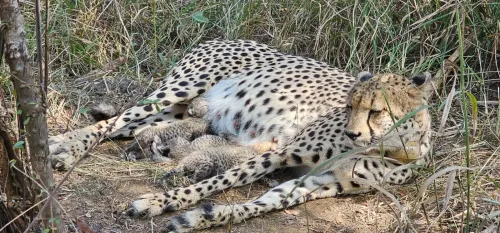
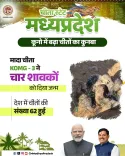
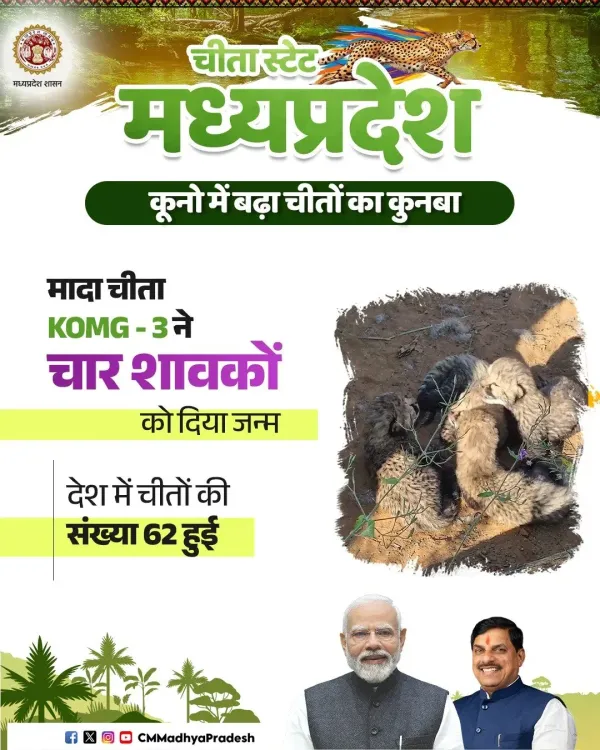
Four tiny heartbeats just changed the numbers on India's most ambitious wildlife comeback. The Chief Minister's Office of Madhya Pradesh announced on Friday, 20 November 2026 that female cheetah KOMG-3 has given birth to four cubs at Kuno National Park, pushing India's total cheetah population to 62.
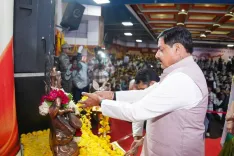
The official post declared: 'चीता स्टेट "मध्यप्रदेश" कूनो में बढ़ा चीतों का कुनबा' — 'The cheetah family in Kuno, Madhya Pradesh — the Cheetah State — has grown.' Chief Minister Mohan Yadav was tagged in the announcement, underscoring the state government's ownership of the conservation milestone.
From Zero to 62: How India Rebuilt a Lost Population
The number '62' carries enormous symbolic weight. The cheetah was declared extinct in India in 1952, hunted out of existence and robbed of its grassland range over decades of habitat loss. The road back began in earnest in September 2022, when Prime Minister Narendra Modi personally released the first batch of eight Namibian cheetahs into Kuno's forested ravines in Madhya Pradesh's Sheopur district — a moment broadcast live to a watching nation. A second batch from South Africa followed in early 2023, bringing institutional momentum to what had been a decades-long bureaucratic dream. The critical test, however, was never the translocations — it was whether the animals would breed in Indian soil. Each birth is proof that Kuno's habitat, its prey base of chital and sambar, and the management protocols devised by forest officials and international wildlife researchers are holding. KOMG-3's four cubs represent the most significant single-birth event yet reported from the project.KOMG-3's Litter and What It Signals for Project Cheetah
A litter of four is biologically meaningful. Cheetahs in the wild typically deliver two to four cubs per litter, though cub mortality in the first weeks is high — predation, disease, and maternal inexperience all take a toll. Forest department teams will now enter their most watchful phase, monitoring KOMG-3 and her cubs without disrupting the den, tracking weight gain and movement as the first indicator of survival odds. Madhya Pradesh has leaned into the identity of 'Cheetah State' — Cheeta State — with infrastructure investments at Kuno and an expanding eco-tourism framework designed to build a local constituency for conservation. The state's forest ministry and Chief Minister Yadav have consistently framed Project Cheetah as a development as much as an ecological story: a reason for rural communities bordering the park to see wildlife as an asset, not a threat. For India's broader wildlife recovery arc — which also includes thriving tiger, lion, and elephant populations — a self-sustaining cheetah meta-population remains the ultimate goal. Every cub born in Kuno shortens the distance to that target.Point of View
It reinforces Madhya Pradesh's brand as India's biodiversity powerhouse at a time when the state is aggressively marketing eco-tourism. Nationally, reaching 62 animals matters as a threshold: conservationists have long argued that a viable Indian cheetah meta-population needs sustained breeding rather than periodic imports. The harder test — cub survival past the first three months — will determine whether this announcement marks a turning point or a cautionary tale about early celebration.
NationPress
20 Nov 2026
Frequently Asked Questions
How many cheetahs are there in India now?
According to the Chief Minister's Office of Madhya Pradesh, India's cheetah population stands at 62 as of November 2026, following the birth of four cubs to female cheetah KOMG-3 at Kuno National Park.
Where was Project Cheetah launched in India?
Project Cheetah was launched at Kuno National Park in Madhya Pradesh's Sheopur district in September 2022 , when eight African cheetahs translocated from Namibia were released into the park.
Which cheetah gave birth to cubs at Kuno in 2026?
Female cheetah KOMG-3 gave birth to four cubs at Kuno National Park, as announced by the Chief Minister's Office of Madhya Pradesh on 20 November 2026.
Why were cheetahs reintroduced in India?
Cheetahs became extinct in India around 1952 due to hunting and habitat loss. Project Cheetah was launched to restore the species to Indian grasslands and semi-arid habitats, primarily sourcing animals from Namibia and South Africa.
Is Madhya Pradesh the only state with cheetahs in India?
Currently, Kuno National Park in Madhya Pradesh is the primary site for cheetah reintroduction under Project Cheetah. The state government brands Madhya Pradesh as the 'Cheetah State' of India.