Karnataka cabinet panel on student issues and education reforms
Synopsis
Karnataka has fast-tracked a five-minister cabinet panel to directly engage students and overhaul the state's education system — a move explicitly tied to Rahul Gandhi's 'Chhatron Ki Goonj' movement. With a one-month deadline and a mandate covering everything from exam integrity to student mental health, the committee's report could set the template for Congress-ruled states on education reform.
Key Takeaways
Karnataka government formed the Cabinet Sub-Committee on Student Issues and Education Reforms on 27 August .
The panel is chaired by Minister U.T.
Khader and includes four other cabinet ministers.
The committee must submit its report within one month .
Formation follows the 'Chhatron Ki Goonj' student movement led by Congress leader Rahul Gandhi .
The panel will examine six areas: exam integrity, fee regulation, public institution quality, curriculum and skilling, student mental health, and access and equity.
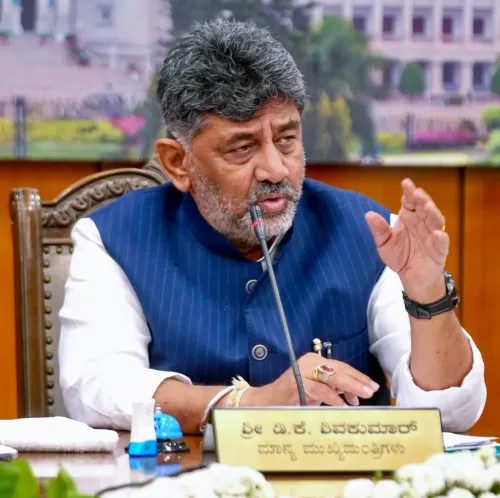
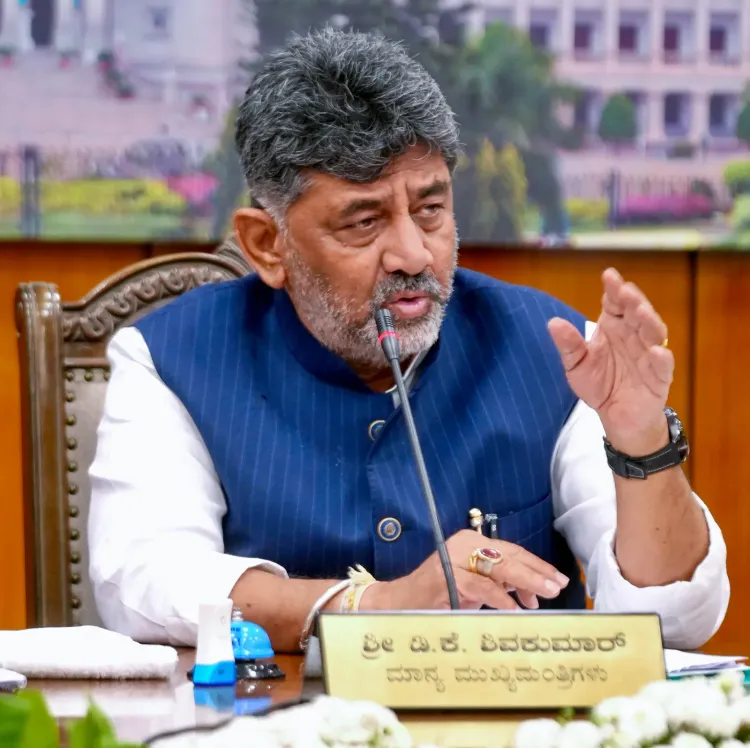
The Karnataka government on Thursday, 27 August announced the formation of a Cabinet Sub-Committee on Student Issues and Education Reforms to engage directly with students across the state and recommend structural changes to the education system. Chief Minister D.K. Shivakumar constituted the panel, which has been given a one-month deadline to submit its report.
Committee Composition
The sub-committee will be chaired by Health and Family Welfare, Minority Welfare and Haj & Waqf Minister U.T. Khader. Its members include School Education and Literacy Minister Madhu Bangarappa, Higher Education Minister Basavaraj Rayareddy, Home, IT & BT and E-Governance Minister Priyank Kharge, and Medical Education and Skill Development Minister Sharan Prakash Patil.
What Triggered the Move
The panel's formation follows the momentum of the 'Chhatron Ki Goonj' student movement, spearheaded by Congress leader and Leader of Opposition in the Lok Sabha Rahul Gandhi, which has been pressing for comprehensive overhaul of the education system. The Karnataka government stated it intends to understand student concerns and aspirations before introducing targeted reforms.
Key Areas Under Review
The committee has been tasked with examining and making recommendations across six broad domains: integrity of examinations and recruitment; regulation of education costs, fees, and coaching institutes; infrastructure and quality in public institutions; curriculum design, skilling, and employment linkage; student mental health and wellbeing; and access and equity in education. The scope signals an intent to address both systemic and student-welfare dimensions simultaneously.
What the Government Said
School Education Minister Madhu Bangarappa said the future of the state rests with its youth and that the government is committed to providing quality education, necessary infrastructure, and adequate opportunities. He added that suggestions and feedback from students, youth, and the general public would be welcomed. The committee has been directed to interact with students, listen to their concerns, and translate those inputs into actionable reform recommendations.
What Happens Next
The sub-committee is required to submit its report within one month. Depending on the recommendations, the state government is expected to introduce corresponding policy or legislative measures. The panel's findings could also inform the Congress party's broader national education agenda ahead of upcoming electoral cycles.
Point of View
Giving the national movement state-level institutional weight. The six-domain mandate is ambitious, but one-month deadlines for structural education reviews often produce diluted recommendations. The real test will be whether the panel's report translates into enforceable policy or remains a consultative exercise that absorbs student discontent without delivering change. With assembly elections on the horizon in several states, how Karnataka handles this could become a Congress blueprint — or a cautionary tale.
NationPress
11 Oct 2026
Frequently Asked Questions
What is the Karnataka Cabinet Sub-Committee on Student Issues and Education Reforms?
It is a five-minister panel constituted by Chief Minister D.K. Shivakumar on 27 August to engage with students across Karnataka, understand their concerns, and recommend reforms to the state's education system. The committee has a one-month deadline to submit its report.
Who chairs the Karnataka education reform sub-committee?
The sub-committee is chaired by Minister U.T. Khader, who holds the portfolios of Health and Family Welfare, Minority Welfare, and Haj & Waqf. Other members include Ministers Madhu Bangarappa, Basavaraj Rayareddy, Priyank Kharge, and Sharan Prakash Patil.
What is the 'Chhatron Ki Goonj' movement and how is it connected to this decision?
'Chhatron Ki Goonj' is a student-focused movement led by Congress leader and Lok Sabha Leader of Opposition Rahul Gandhi, aimed at bringing comprehensive reforms to India's education system. The Karnataka government cited this movement as a direct catalyst for forming the sub-committee.
What issues will the Karnataka sub-committee examine?
The panel will review six areas: integrity of examinations and recruitment, regulation of education costs and coaching fees, infrastructure and quality in public institutions, curriculum design and employment linkage, student mental health and wellbeing, and access and equity in education.
When will the sub-committee submit its report?
The committee has been directed to submit its report within one month of its formation. The government is expected to introduce policy or legislative measures based on the recommendations.