CM Shivakumar Pays Tribute to Rani Chennamma in Kittur
Synopsis
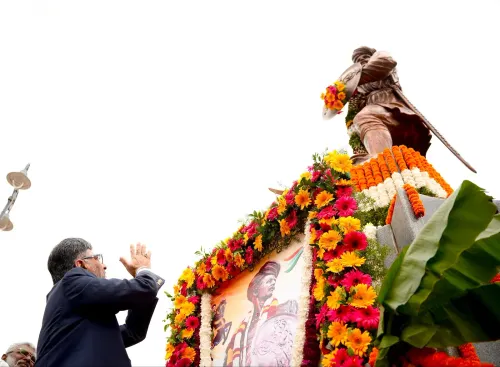
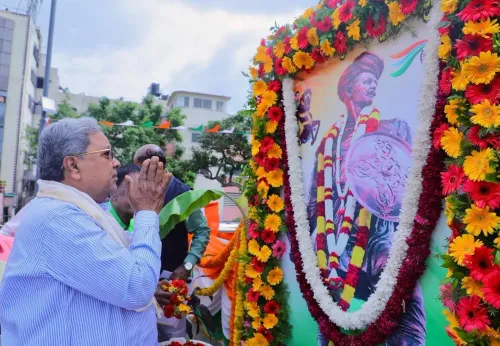
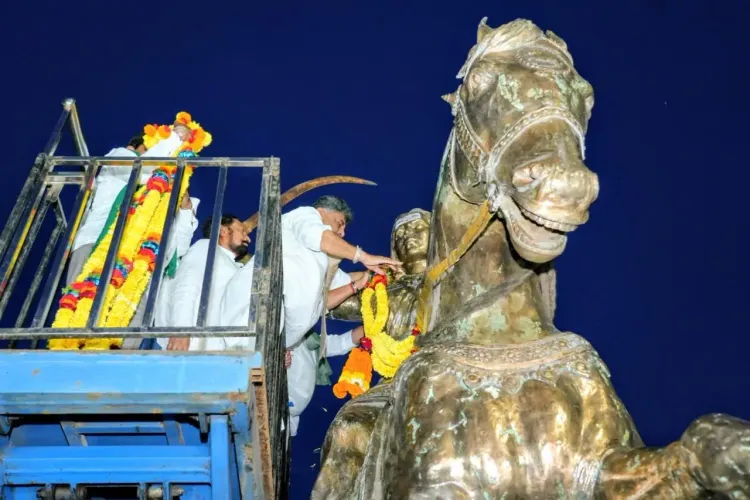
Karnataka Chief Minister D.K. Shivakumar visited Kittur in Belagavi district on 17 October 2026 and garlanded the statue of Rani Chennamma, the 19th-century queen who led one of India's earliest armed uprisings against the British East India Company in 1824.
Key Takeaways
Shivakumar visited Kittur in Belagavi district on 17 October 2026 .
He garlanded the statue of Rani Chennamma and paid formal tribute.
Rani Chennamma led an armed uprising against the British East India Company in 1824 , over 30 years before the 1857 revolt.
Kittur in northern Karnataka remains a key heritage and pilgrimage site tied to early anti-colonial resistance.
Visits to Kittur by senior Karnataka leaders form a recurring pattern of engagement with the state's historical icons.
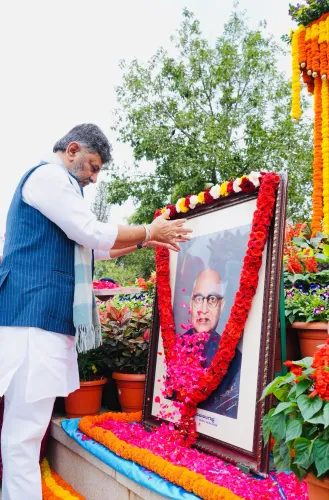
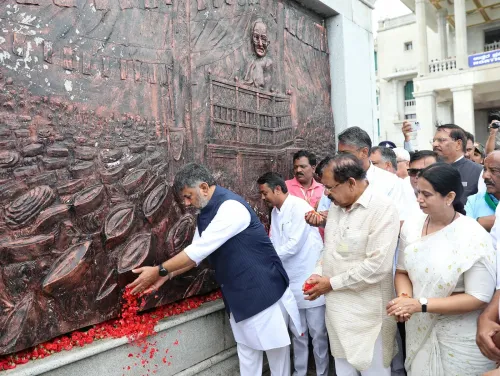
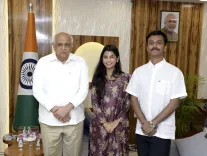
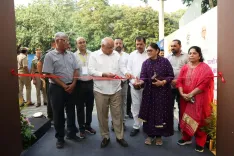
Two centuries after Rani Chennamma raised her sword against the British East India Company in the fort-town of Kittur, Karnataka's Chief Minister walked up to her statue on Saturday, 17 October 2026, and laid a garland in her honour. The Chief Minister's Office of Karnataka confirmed that Chief Minister Shri D.K. Shivakumar visited Kittur in Belagavi district and paid his respects at the statue of the iconic queen.
Kittur's queen, Karnataka's conscience
Rani Chennamma of Kittur led one of the earliest armed uprisings against British colonial authority in 1824 — more than three decades before the more widely chronicled revolt of 1857. Her refusal to accept the Company's doctrine of lapse, her command of the Kittur fort, and her eventual capture and imprisonment have made her a defining symbol of pre-independence resistance in the Kannada-speaking imagination. The Kittur fort and its surrounding heritage sites in northern Karnataka remain pilgrimage points for those tracing the arc of the subcontinent's anti-colonial struggle.
Belagavi's place in Karnataka's political calendar
Belagavi district, which borders Maharashtra and Goa, carries outsized political and cultural weight in Karnataka — it is the site of the state legislature's annual winter session, a tradition that itself honours the region's historical significance. Senior leaders across administrations have regularly visited Kittur to mark their respect for Rani Chennamma, weaving her legacy into the state's contemporary political identity. Chief Minister Shivakumar's visit continues that pattern of public engagement with Karnataka's heritage icons.
Point of View
Paying homage at Kittur also carries implicit messaging about anti-establishment legacy and inclusive historical memory. Belagavi's contested border politics and cultural sensitivities make a visible, respectful engagement with its dominant heritage symbol a low-risk, high-visibility act. Whether the visit is followed by any concrete heritage-development announcement at Kittur will determine whether it is ceremonial routine or the opening of a wider policy signal.
NationPress
17 Oct 2026
Frequently Asked Questions
Who is Rani Chennamma and why is she significant?
Rani Chennamma was the queen of Kittur who led an armed uprising against the British East India Company in 1824 , making her one of the earliest known figures of organised anti-colonial resistance in Indian history — predating the 1857 revolt by more than three decades.
Why did CM Shivakumar visit Kittur?
Chief Minister D.K. Shivakumar visited Kittur in Belagavi district on 17 October 2026 to garland and pay tribute to the statue of Rani Chennamma , honouring the queen's legacy as a symbol of resistance and Karnataka's historical heritage.
Where is Kittur located?
Kittur is a town in Belagavi district in northern Karnataka . It is the site of the historic Kittur fort and was the capital of Rani Chennamma's kingdom.
Is it common for Karnataka leaders to visit Kittur?
Yes. Karnataka political leaders across administrations have regularly visited Kittur to pay homage to Rani Chennamma , as part of a broader tradition of acknowledging the state's pre-independence resistance history and engaging with regional heritage sites.
What is the significance of Belagavi district in Karnataka politics?
Belagavi district holds special significance as the site of the Karnataka legislature's annual winter session, a tradition that underscores the region's political and historical importance. Its border location and cultural heritage make it a focus of ongoing state attention.