CM Shivakumar Launches Kaveri Aarti at KRS Brindavan
Synopsis
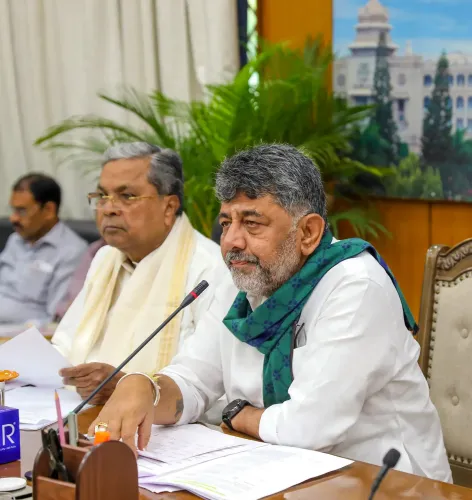
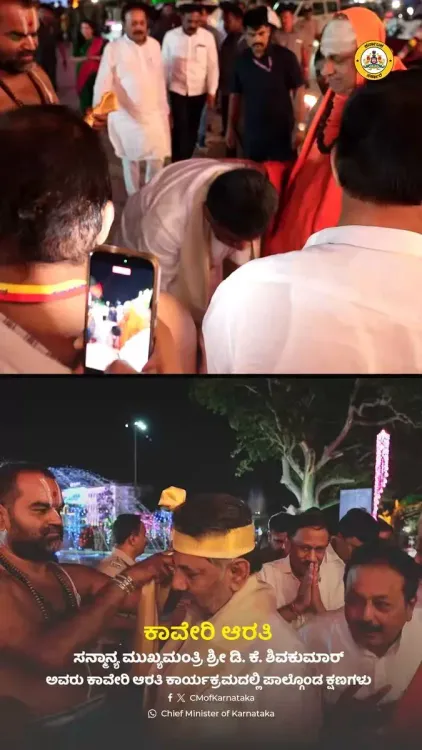
Karnataka Chief Minister D.K. Shivakumar formally launched the 'Kaveri Aarti' programme at KRS Brindavan on October 17, 2026, performing a ritual worship of the Kaveri river in a ceremony blending spiritual reverence with cultural heritage promotion.
Key Takeaways
Shivakumar , Chief Minister of Karnataka, launched the 'Kaveri Aarti' programme on October 17, 2026 .
The ceremony was held at KRS Brindavan , the garden complex on the Krishna Raja Sagara reservoir on the Kaveri river.
The launch involved a formal ritual aarti offered to Kaveri Maate (Mother Kaveri).
The programme follows a national pattern of state governments formalising river-worship events as cultural and tourism initiatives.
KRS Brindavan is one of Karnataka's most prominent tourist destinations, tied to a century-old irrigation landmark.
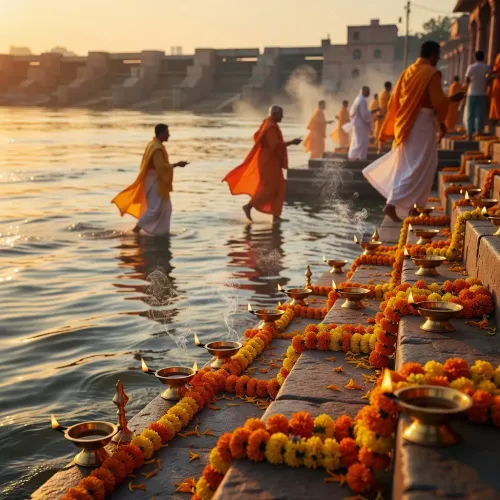
At the edge of the Krishna Raja Sagara reservoir, as evening light fell over the water, Karnataka Chief Minister D.K. Shivakumar performed a ritual aarti to Kaveri Maate (Mother Kaveri) — marking the formal launch of the 'Kaveri Aarti' programme at KRS Brindavan on Saturday, October 17, 2026.
The Chief Minister's Office of Karnataka announced the moment with a Kannada verse: 'Kaveerige bhaktiya aarati, naadige samruddhiya keerti' — 'A devotional aarti for Kaveri, glory of prosperity for the land.' The line captures the dual intent of the ceremony: spiritual reverence for the river and a cultural statement about Karnataka's heritage.
KRS Brindavan: Where Irrigation Meets Devotion
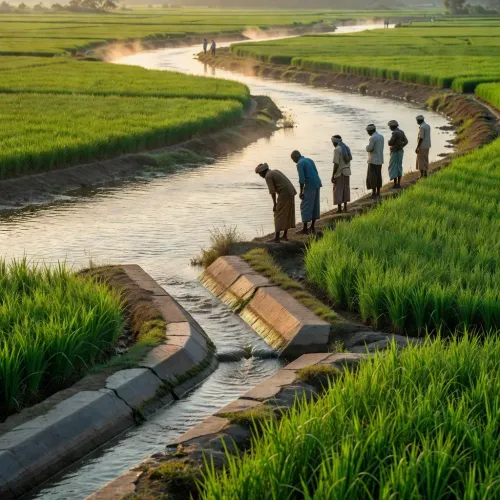
KRS Brindavan, the storied garden complex on the banks of the Kaveri near Mandya district, is one of Karnataka's most iconic public spaces — built alongside the Krishna Raja Sagara dam, a century-old engineering landmark that still anchors irrigation across the Cauvery basin. Hosting a river-worship ceremony here is a deliberate choice: it ties together the river's agricultural lifeline and its sacred identity in a single frame.
River Worship as Cultural Policy
Indian state governments have increasingly formalised river-worship events as part of heritage and tourism promotion — from the Ganga Aarti at Varanasi to similar ceremonies along the Narmada and Godavari. Karnataka's launch of a dedicated Kaveri Aarti programme places the state in that tradition, with the KRS site offering both symbolic weight and tourism infrastructure. Devotees and residents along the Cauvery basin are the primary audience, but the programme's location at a major tourist destination signals a broader outreach intent.
The Kaveri has long been more than a river in Karnataka's public imagination — it is a legal battleground, a farming lifeline, and a cultural anchor. Formalising a worship programme at its most visible reservoir is a way of reclaiming the river's emotional significance beyond its contested inter-state dimensions.
Whether the Kaveri Aarti becomes a recurring, calendar-anchored event — like the Ganga Aarti that draws thousands nightly to Haridwar and Varanasi — will define how much cultural capital Karnataka ultimately draws from the initiative.
Point of View
Anchoring the event at KRS — a site synonymous with the Cauvery's irrigation legacy — is a politically astute move: it foregrounds the river's benevolent, life-giving image at a time when the Cauvery remains a sensitive inter-state issue. If institutionalised, the programme could become a soft-power asset for Karnataka's tourism calendar, much as the Ganga Aarti has for Uttar Pradesh.
NationPress
17 Oct 2026
Frequently Asked Questions
What is the Kaveri Aarti programme in Karnataka?
The Kaveri Aarti is a newly launched ceremonial programme in Karnataka featuring ritual worship of the Kaveri river. It was formally inaugurated by Chief Minister D.K. Shivakumar at KRS Brindavan on October 17, 2026.
Where is KRS Brindavan located?
KRS Brindavan is a famous garden complex situated on the banks of the Kaveri river at the Krishna Raja Sagara reservoir, near Mandya district in Karnataka.
Who launched the Kaveri Aarti at KRS?
Karnataka Chief Minister D.K. Shivakumar launched the Kaveri Aarti programme by performing a ritual puja to Kaveri Maate at KRS Brindavan.
Why is the Kaveri river significant to Karnataka?
The Kaveri is Karnataka's most important river, serving as the primary source of irrigation for the state's agricultural heartland and holding deep cultural and religious significance for millions of residents.
Is the Kaveri Aarti similar to the Ganga Aarti?
The concept follows the same tradition — a formalised, state-supported ritual worship of a major river — similar to the Ganga Aarti held at Haridwar and Varanasi, which have become major cultural and tourism draws.