CM Shivakumar Pushes Exam Reforms, Grace Marks for Rural Students
Synopsis
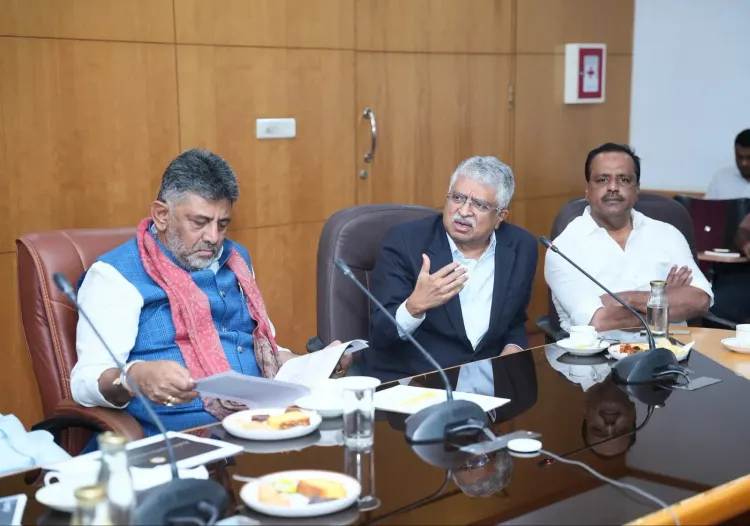
At a high-level exam-reform meeting in Vidhana Soudha on 20 November 2026, Karnataka CM D.K. Shivakumar called for grace marks for rural NEET students, local seat reservations in medical and engineering colleges, and inclusion of academic marks in state recruitment scoring.
Key Takeaways
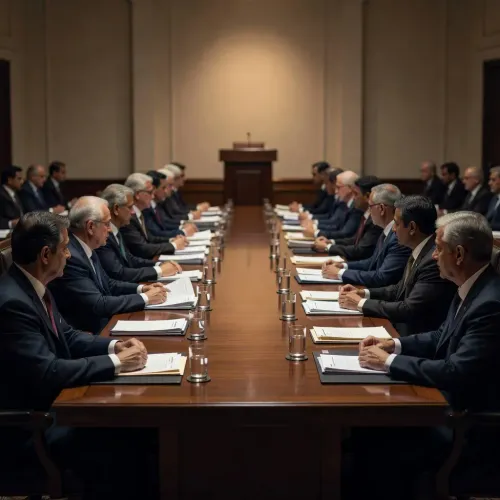
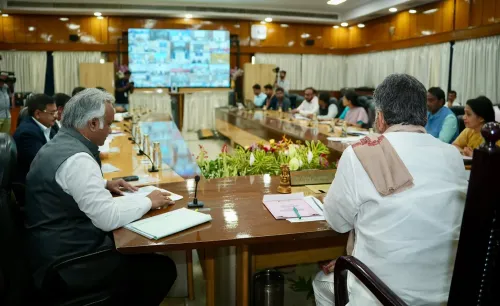
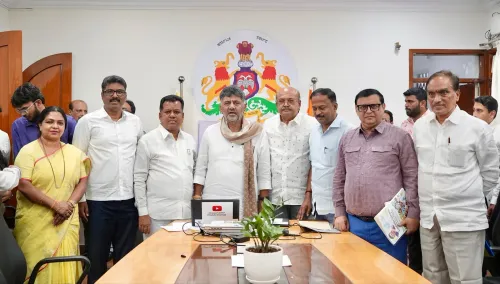
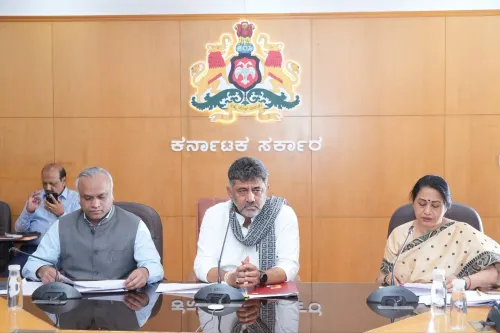
Shivakumar chaired a high-level exam reform meeting at Vidhana Soudha on 20 November 2026 .
The government committed to conducting all professional entrance and recruitment exams through a 'secure, transparent' system.
Shivakumar proposed that school and college academic marks be factored into state recruitment exam scoring alongside test performance.
He demanded grace marks for rural students in national exams like NEET to offset their disadvantage against urban candidates.
The CM called for reservations for local Karnataka students in medical and engineering college seats.
The recently conducted KAS preliminary examinations were cited as a model for malpractice-free exam conduct.
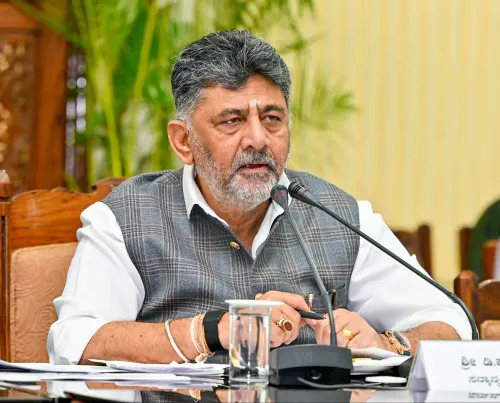
A high-level meeting at Vidhana Soudha on Friday, 20 November 2026 put Karnataka's examination system under the spotlight — and Chief Minister D.K. Shivakumar did not hold back. Speaking at the state government's review of exam reforms, he declared the government's commitment to a 'secure, transparent examination system' and laid out a pointed agenda: grace marks for rural NEET aspirants, local reservations in medical and engineering seats, and academic records factored into recruitment scoring.
Academic marks, KAS conduct, and the recruitment overhaul
At the core of Shivakumar's address was a structural proposal for state recruitment tests: scores from school and college academics should count alongside performance in recruitment examinations. The Chief Minister pointed to the recently conducted Karnataka Administrative Service (KAS) preliminary examinations as a benchmark — praising their 'meticulous conduct' and stating that no room was given for malpractice.
The KAS is Karnataka's gateway into the state civil services, comparable to the UPSC Civil Services at the national level. The government's claim of a clean, leak-free process carries significance in a national climate where exam leaks and paper fraud have shaken public trust in competitive testing.
The NEET fault line: rural students left behind
Shivakumar trained his sharpest focus on NEET — the centrally mandated medical entrance test that has been a flashpoint for southern states since it replaced state-level examinations following Supreme Court directions around 2016. His argument was direct: rural students cannot compete on equal footing with urban students in a single national exam, and that structural gap demands a policy remedy in the form of grace marks.
The demand is not new to India's policy conversation — several states have periodically flagged that students from state boards and rural schools face a systematic disadvantage against those coached in urban centres. But a sitting Chief Minister articulating it formally at a high-level meeting gives it renewed administrative weight.
Shivakumar went further, stating that Karnataka's medical college seats must prioritise Karnataka candidates — and that reservations for local students in both medical and engineering courses need to be formalised. The demand for domicile-based preferences in professional seats sits in legally contested territory and is likely to invite scrutiny.
What the reform agenda signals for Karnataka's next moves
Taken together, the positions staked out at Vidhana Soudha sketch a government that is leaning into exam sovereignty — pushing for more state-level say in how seats are allocated, how candidates are scored, and how rural disadvantage is addressed. Karnataka already runs its own Common Entrance Test (CET) alongside national exams, giving it institutional infrastructure to act on some of these proposals.
The watch-points now are concrete: will the government issue a formal order incorporating academic marks into recruitment scoring, and will it move a legislative or executive instrument on local reservations in professional seats? Any such move on NEET-linked admissions will almost certainly face legal challenge — but the political signal from Friday's meeting is unambiguous.
Karnataka has just drawn a line in the sand on exam reform. Whether it becomes policy or stays a speech depends on what comes out of Vidhana Soudha next.
Point of View
If formalised, would redraw how Karnataka's bureaucratic pipeline is built. The legal battles over local reservations in NEET-linked admissions, however, will test how far rhetoric translates into durable policy.
NationPress
20 Nov 2026
Frequently Asked Questions
What did Karnataka CM Shivakumar say about NEET and rural students?
CM Shivakumar stated that rural students face a structural disadvantage competing against urban students in NEET and demanded that grace marks be given to rural students in such national-level examinations.
Will Karnataka students get reservation in medical and engineering seats?
CM Shivakumar called for formal reservations for local Karnataka students in medical and engineering college seats, though any such move would require a legal and administrative framework and may face judicial scrutiny.
What changes are proposed for Karnataka government recruitment exams?
The CM proposed that candidates' school and college academic marks be considered alongside recruitment exam scores, adding an academic performance component to state hiring processes.
How did the KAS preliminary exams go in 2026?
The Chief Minister's Office stated that the recently held KAS preliminary examinations were conducted in an orderly manner with no instances of malpractice or irregularities.
Why do states oppose NEET for rural students?
NEET is a single national exam that critics argue disadvantages students from state boards and rural schools who lack access to the specialised coaching available in urban centres, creating an uneven playing field.