CM Siddaramaiah Demands Modi Apology, Pradhan Resign Over NEET Scandal
Synopsis
Karnataka CM Siddaramaiah on 20 July 2026 condemned the lathi-charge on over 20,000 NEET protestors marching to Parliament, demanded Education Minister Dharmendra Pradhan's resignation, and called on PM Modi to publicly apologise to lakhs of students affected by the exam paper leak scandal.
Key Takeaways
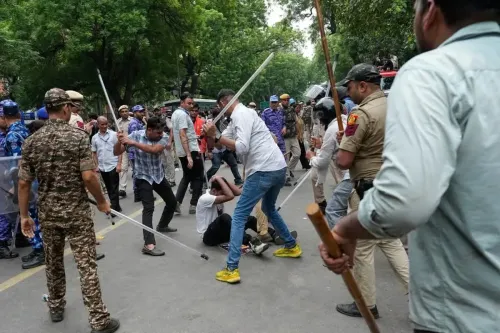
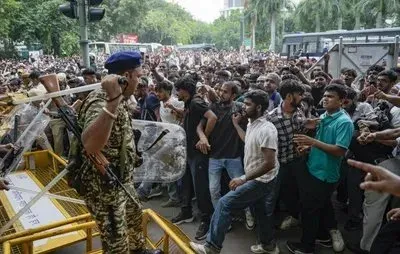
Karnataka CM Siddaramaiah condemned the use of lathis and tear gas against more than 20,000 students marching towards Parliament over the NEET paper leak.
He demanded that Union Education Minister Dharmendra Pradhan accept moral responsibility and resign over the scandal.
PM Narendra Modi was called upon to hold a press conference, apologise to affected students, and outline corrective steps.
Siddaramaiah linked the NEET protests to Sonam Wangchuk 's fast, describing both as signs of a government insensitive to youth concerns.
He called for a transparent, time-bound investigation to ensure justice for every NEET aspirant affected by the irregularities.
The Chief Minister urged Congress leaders and workers to continue supporting NEET aspirants in what he called a 'democratic struggle.'
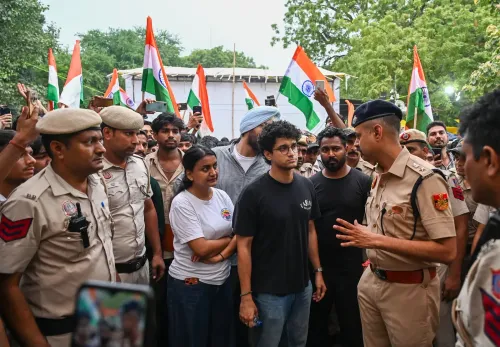
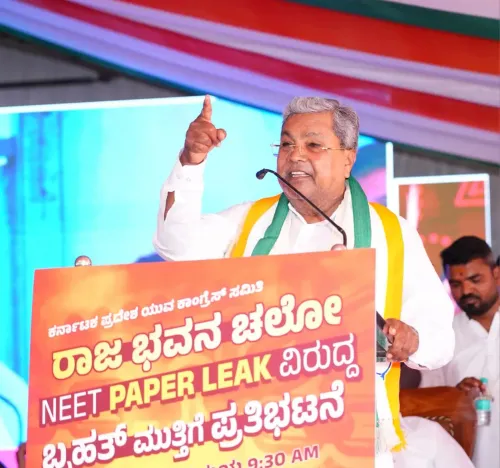
Karnataka Chief Minister Siddaramaiah on Monday, 20 July 2026, issued a sharp condemnation of the Union Government's handling of the NEET examination paper leak scandal, calling for Union Education Minister Dharmendra Pradhan to resign and demanding that Prime Minister Narendra Modi publicly apologise to affected students. The Congress leader also condemned the use of lathis and tear gas against what he described as more than 20,000 peaceful protestors who had marched towards Parliament seeking justice for NEET victims.
Context
In his post, Siddaramaiah described the police action against the student march as 'brutal,' stating: 'The aspirations of our youth are being lathi-charged while those responsible for destroying their future continue to enjoy protection.' He drew a pointed contrast between the government's willingness to deploy force against protestors and its alleged reluctance to face scrutiny inside Parliament. 'It appears that this Government has mastered the art of leaking question papers while blocking questions in Parliament,' he wrote.
The Chief Minister also linked the NEET protests to the ongoing fast by Sonam Wangchuk, the Ladakhi educationist and innovator, framing both as symptoms of a government 'that has become increasingly insensitive to the anxieties of young Indians.' He called on Congress leaders, workers, and youth to stand firmly with NEET aspirants in what he termed a 'democratic struggle.'
Policy Backdrop
NEET — the National Eligibility cum Entrance Test — was introduced in 2016 as a single centralised medical entrance examination, replacing multiple state-level tests to standardise admissions across the country. Since its nationwide rollout, the exam has periodically faced allegations of paper leaks and administrative irregularities, triggering demands for independent investigations and systemic reforms.
Opposition-governed states, including Karnataka, have frequently raised concerns about the centralisation of education policy and the federal implications of NEET, arguing that states are better placed to manage admissions for their own medical institutions. Siddaramaiah has been among the most vocal state leaders on this issue.
Stakeholders and Impact
At the centre of the controversy are lakhs of NEET aspirants whose years of preparation, financial sacrifice, and family hopes hinge on the integrity of a single examination. Siddaramaiah noted that 'reports of students losing hope, and even losing their lives, demand empathy and responsibility, not indifference,' underscoring the human cost of institutional failure.
Dharmendra Pradhan, as Union Education Minister, bears direct ministerial responsibility for the conduct of NEET. The Chief Minister's explicit demand that Pradhan 'accept moral responsibility and resign' raises the political stakes considerably. Prime Minister Modi was also directly addressed, with Siddaramaiah demanding he 'step before the nation, address a press conference, apologise to the lakhs of students whose trust has been betrayed, and explain what his Government will do.'
What's Next
The twin demands — Pradhan's resignation and a Modi press conference — set a clear political benchmark against which the ruling dispensation will be measured in coming days. Any judicial or CBI investigation outcomes into the NEET leak, and the conduct of scheduled parliamentary sessions where the Education Ministry faces accountability debates, will be closely watched by students, civil society, and opposition parties alike.
Siddaramaiah's warning that 'democracies become stronger when Governments face questions with honesty' signals that the Congress party intends to sustain pressure both on the streets and inside Parliament. The credibility of India's centralised examination architecture — and the government's political standing among crores of student families — now depends on how swiftly and transparently the administration responds.
Point of View
The Congress frames the issue as a constitutional and democratic failure, not merely an administrative lapse. The explicit resignation demand against Pradhan and the call for a Modi press conference are rare in their specificity, raising the political cost of inaction. This pattern — opposition state chief ministers amplifying central government accountability failures on education — reflects a broader Congress strategy of contesting the BJP's governance narrative on youth and merit ahead of electoral cycles.
NationPress
21 Jul 2026
Frequently Asked Questions
What is the NEET paper leak scandal?
The NEET paper leak scandal refers to allegations that question papers for the National Eligibility cum Entrance Test — India's centralised medical entrance exam — were leaked ahead of the examination, compromising its integrity and triggering nationwide student protests demanding a fair re-examination and accountability from the Union Government.
Why is Siddaramaiah demanding Dharmendra Pradhan's resignation?
Karnataka CM Siddaramaiah has demanded Dharmendra Pradhan 's resignation because, as Union Education Minister, Pradhan bears direct ministerial responsibility for the conduct of NEET. Siddaramaiah argues that the paper leak and the government's response — including the alleged use of force against student protestors — constitute a failure of accountability that warrants the minister stepping down.
What happened to NEET protestors marching to Parliament?
According to Siddaramaiah's post, more than 20,000 peaceful protestors marching towards Parliament to seek justice for NEET victims were met with lathi-charges and tear gas by security forces, an action the Karnataka Chief Minister strongly condemned as 'brutal.'
What is Sonam Wangchuk's connection to the NEET protests?
Sonam Wangchuk , the Ladakhi educationist and innovator, undertook a public fast around the same period as the NEET protests. Siddaramaiah cited Wangchuk's fast alongside the student demonstrations as evidence of a broader pattern of civil society dissent against a government he described as 'increasingly insensitive to the anxieties of young Indians.'
What has Congress demanded from PM Modi over the NEET issue?
Congress, through Karnataka CM Siddaramaiah, has demanded that PM Narendra Modi hold a press conference, publicly apologise to the lakhs of students whose trust was betrayed by the NEET paper leak, and clearly explain what his government will do to ensure that 'merit, not manipulation, determines the future of India's youth.'