CM Siddaramaiah Joins Congress Protest, Demands CEC Gyanesh Kumar's Removal
Synopsis
Karnataka CM Siddaramaiah joined a KPCC protest at Freedom Park, Bengaluru on 26 September 2026, demanding the removal, criminal prosecution, and independent investigation of Chief Election Commissioner Gyanesh Kumar, citing reported internal dissent by two Election Commissioners and invoking Article 324 of the Constitution.
Key Takeaways
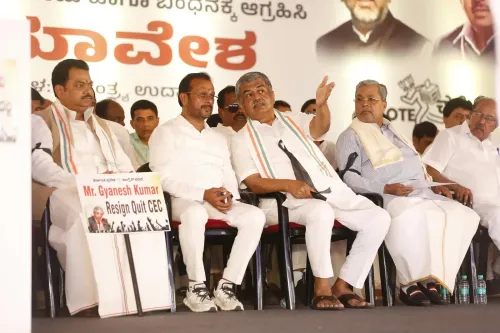
Karnataka CM Siddaramaiah participated in a KPCC protest at Freedom Park, Bengaluru on 26 September 2026 against the functioning of the Election Commission of India.
The protest is part of a nationwide Congress agitation demanding the removal of Chief Election Commissioner Gyanesh Kumar .
Siddaramaiah cited media reports alleging Election Commissioners Sukhbir Singh Sandhu and Vivek Joshi raised written objections on at least 14 occasions over 10 months to Commission decisions.
He invoked Article 324 of the Constitution and called on the President of India to intervene immediately and initiate removal proceedings against the CEC.
The CM demanded the CEC's removal, registration of a criminal case, and an independent impartial investigation.
The protest is being held under the leadership of KPCC President B.K.
Hariprasad in Karnataka, with multiple parties participating.
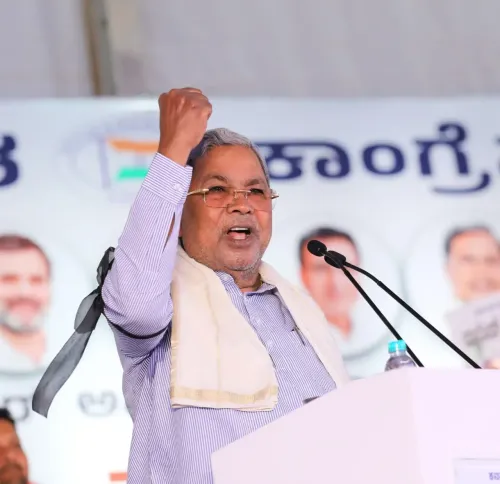
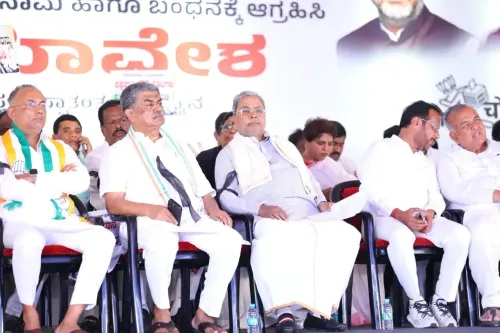
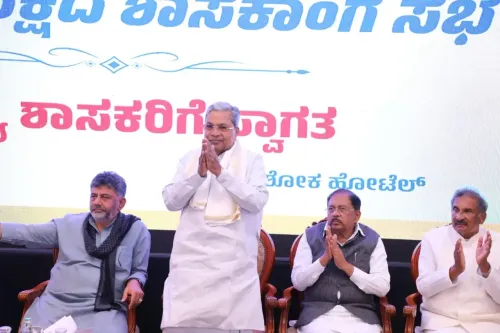
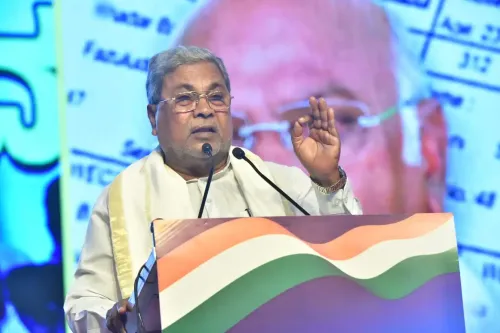
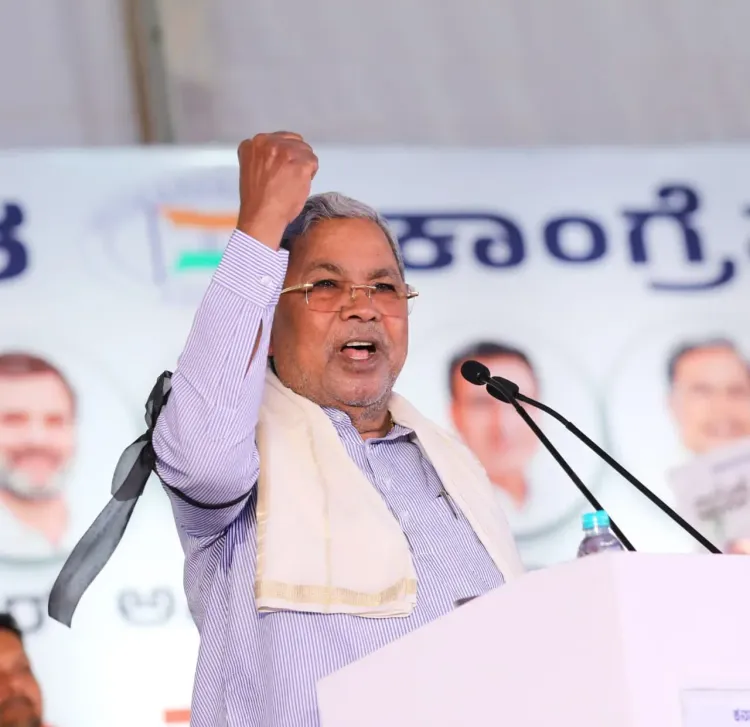
A sitting Chief Minister stood shoulder-to-shoulder with opposition protesters at Freedom Park, Bengaluru, on Saturday, 26 September 2026 — and what he said from there amounted to one of the most direct political attacks on the Election Commission of India in recent memory. Karnataka Chief Minister Siddaramaiah joined the Karnataka Pradesh Congress Committee (KPCC) demonstration against the functioning of the Election Commission of India (ECI), demanding the immediate removal of Chief Election Commissioner Gyanesh Kumar and calling for a criminal investigation against him.
Freedom Park protest: the Congress signal to Delhi
The Bengaluru protest is part of a nationwide agitation coordinated by the Indian National Congress, rallying behind Rahul Gandhi's sustained challenge to the ECI's independence. In Karnataka, the demonstration was held under the leadership of KPCC President B.K. Hariprasad, with multiple political parties and organisations joining in. Siddaramaiah framed the protest not as a party affair but as a constitutional imperative, declaring: 'The autonomy of the Election Commission and the integrity of our constitutional democracy cannot be compromised.'
The trigger is a set of media reports — which the research block flags as unverified from established sources — alleging that Election Commissioners Sukhbir Singh Sandhu and Vivek Joshi have raised written objections on at least 14 occasions over the past 10 months to decisions taken within the Commission. The reported disputes involve voter inclusion, deletion of names from electoral rolls, changes to Form 6, and the management of electoral data. Siddaramaiah's post cites these reports directly, calling them 'extremely serious' for a three-member constitutional body whose two other members are on the record dissenting from its chief.
Article 324 and the President's chair
The constitutional argument at the heart of the protest is precise. Article 324 of the Indian Constitution sets a high bar for the removal of the Chief Election Commissioner — identical to the process for removing a Supreme Court judge — while the removal of other Election Commissioners requires a recommendation from the CEC. Siddaramaiah invoked this clause to argue that the President of India must intervene immediately and initiate the constitutional process, given what he characterised as the CEC's 'authoritarian' conduct.
He was unambiguous about consequences: 'In my view, Gyanesh Kumar has no right to continue in that office even for a moment. His actions amount to a betrayal of the Constitution and warrant criminal investigation.' The demand has three prongs — removal from office, registration of a criminal case, and an independent, impartial inquiry.
Rahul Gandhi's 2025 letter and the apology demand
Siddaramaiah traced the political sequence back to Rahul Gandhi's letter to the Election Commission — reported but unverified in established sources — allegedly written in 2025 raising concerns about vote theft and manipulation of electoral rolls. He noted that CEC Gyanesh Kumar had, in response, demanded that Gandhi apologise to the nation. The Chief Minister's pointed observation: now that two serving Election Commissioners have themselves reportedly objected to Commission decisions, the question of accountability has swung squarely back to the CEC's chair.
The broader Congress argument — repeated through multiple election cycles — is that the Election Commission of India, a body Siddaramaiah anchors in the legacy of Babasaheb Dr. B.R. Ambedkar's constitutional vision, has drifted toward alignment with the ruling BJP. The Chief Election Commissioner and other Election Commissioners (Appointment, Conditions of Service and Term of Office) Act, 2023, which revised ECI appointment procedures, has itself been contested by opposition parties on grounds of executive overreach.
Modi, the '75-year rule', and the protest's sharper edge
Siddaramaiah's post ended with the protest's sharpest line. He alleged that Prime Minister Narendra Modi 'did not become Prime Minister through a fair electoral process, but through vote theft' — a claim the Congress has made repeatedly but which remains politically contested and legally unproven. He also invoked the informal 'retirement at 75' norm — applied to senior leaders in various parties — noting that Modi, having crossed that age, appears to have been exempted from the standard applied to others. Both salvos signal that this protest is as much about 2027 and beyond as it is about internal ECI processes today.
Whether the President responds, whether the Supreme Court is petitioned under Article 324, or whether the ECI issues a rebuttal — those are the three dominoes to watch. The protest has been filed. The constitutional clock is now ticking.
Point of View
Signalling that Congress intends to keep the ECI's institutional credibility as a live electoral battleground heading into the next general election cycle. The invocation of Article 324 and the demand for presidential intervention are legally precise moves designed to force a formal constitutional record, even if the probability of the President acting on Congress's request remains low under the current political configuration. The 2023 ECI appointment law already sits before higher courts, and this protest adds political momentum to any pending judicial challenge. Framing CEC Gyanesh Kumar as not merely partisan but criminally liable is the sharpest escalation yet — a deliberate attempt to shift the debate from institutional reform to personal accountability.
NationPress
26 Sept 2026
Frequently Asked Questions
Why is Siddaramaiah demanding the removal of Chief Election Commissioner Gyanesh Kumar?
Siddaramaiah is demanding Gyanesh Kumar's removal citing media reports that two fellow Election Commissioners — Sukhbir Singh Sandhu and Vivek Joshi — raised written objections on at least 14 occasions to Commission decisions over 10 months, covering voter inclusion, name deletions, Form 6 changes, and electoral data management. He argues this reflects 'authoritarian' conduct incompatible with constitutional office.
What is Article 324 and how does it apply to removing the Chief Election Commissioner?
Article 324 of the Indian Constitution establishes the Election Commission and provides that the Chief Election Commissioner can be removed only in the same manner and on the same grounds as a Supreme Court judge — requiring an address by both Houses of Parliament. Siddaramaiah invoked this provision to demand the President of India initiate the constitutionally prescribed removal process.
What is the Congress protest at Freedom Park about?
The protest at Freedom Park in Bengaluru on 26 September 2026 is Karnataka's leg of a nationwide Congress agitation against the functioning of the Election Commission of India. Led by KPCC President B.K. Hariprasad, it demands the removal of CEC Gyanesh Kumar, a criminal case against him, and an independent investigation into the Commission's decisions.
Has Rahul Gandhi written to the Election Commission about electoral roll manipulation?
According to Siddaramaiah's post, Rahul Gandhi wrote to the Election Commission in 2025 raising concerns about vote theft and manipulation of electoral rolls. These claims and the specific letter are cited in the post but are flagged as unverified in available public records. In response, CEC Gyanesh Kumar reportedly demanded that Gandhi apologise to the people of India.
What action can the President of India take regarding the Election Commission?
The President of India, as the constitutional authority responsible for safeguarding the Constitution, can initiate the process for removing the Chief Election Commissioner under Article 324, provided the grounds are equivalent to those required for removing a Supreme Court judge. Siddaramaiah and Congress are urging the President to immediately trigger this process given the reported breakdown of consensus within the three-member Commission.