CM Hemant Soren Reviews Excise Dept, Orders Hiring Push
Synopsis
Jharkhand CM Hemant Soren on 24 July 2026 reviewed the Excise and Prohibition Department, directing officials to expedite recruitment of excise constables and ASIs, expand the state beverages corporation, adopt new revenue technologies, and crack down on illegal liquor establishments.
Key Takeaways
CM Hemant Soren chaired a review of the Excise and Prohibition Department on 24 July 2026 .
Officials were directed to expedite recruitment of Utpad Sipahi (excise constables) and fill all vacant ASI posts.
The scope of the Jharkhand State Beverages Corporation Limited (JSBCL) is to be expanded.
The department must submit a plan to boost excise revenue using new technologies .
A drive to frame all necessary excise policies and crack down on illegally operating establishments was ordered.
Several additional directives beyond those made public were also issued during the meeting.
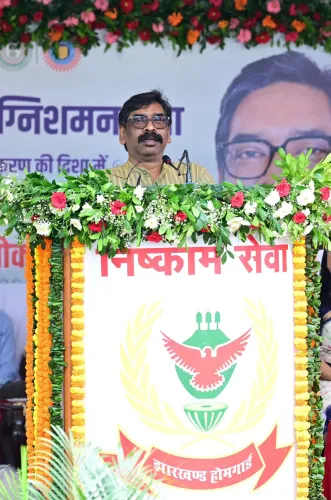
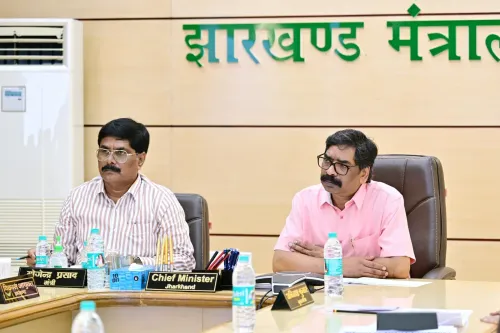
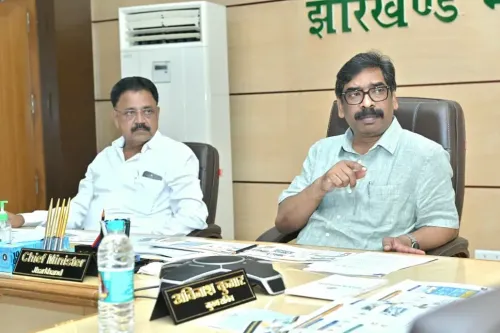
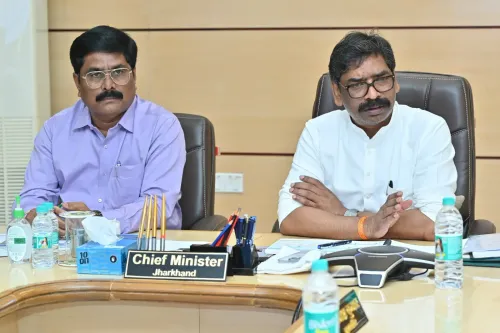
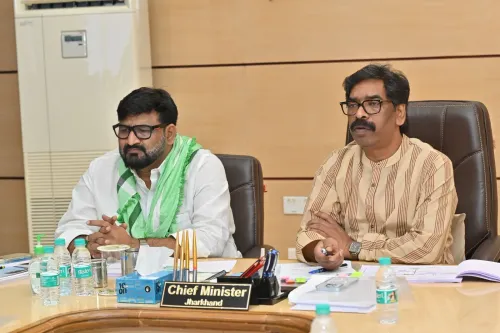
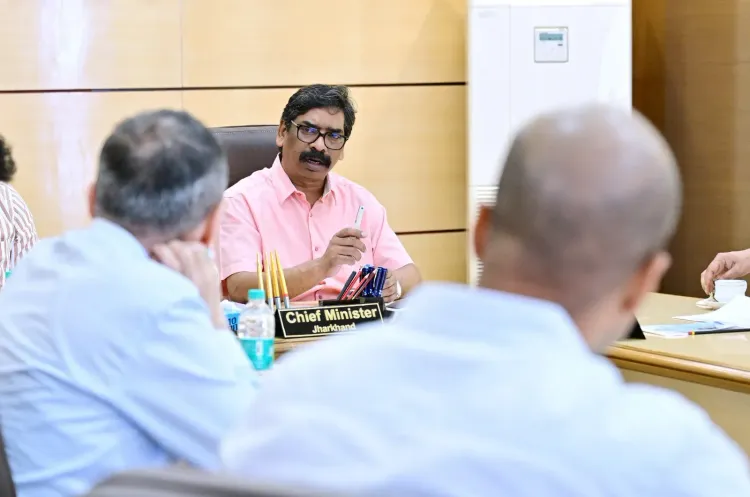
Jharkhand Chief Minister Hemant Soren on Friday, 24 July 2026, chaired a review meeting of the state's Excise and Prohibition Department and issued a series of directives to senior officials aimed at plugging vacancies, expanding the state beverages corporation, and curbing illegal liquor operations across Jharkhand.
Context
Posting on X after the meeting, CM Soren outlined the key instructions he gave to departmental officers. Translated from Hindi, the directives include: expediting the recruitment process for Utpad Sipahi (excise constables), filling all vacant posts of ASI (Assistant Sub-Inspectors) and other positions within the department, and expanding the scope of the Jharkhand State Beverages Corporation Limited (JSBCL). Officials were also asked to submit a plan for raising revenue through new technologies, draft all necessary policies, and crack down on illegally operating establishments.
The Chief Minister noted that several additional directions beyond those listed publicly were also conveyed to the department during the meeting.
Policy Backdrop
The Jharkhand Mukti Morcha-led government, in power since 2019, has periodically pushed to streamline excise administration as a lever for boosting non-tax revenue. The Excise and Prohibition Department oversees liquor regulation, excise revenue collection, and enforcement action against illegal sales — making it a significant contributor to the state's fiscal health.
The Jharkhand State Beverages Corporation Limited, the state-owned wholesale distributor of liquor and beverages, has been identified as a vehicle for formalising the trade and increasing the government's share of the market. Expanding its operational footprint is seen as a way to reduce the space available to illicit networks. This approach mirrors similar drives undertaken in neighbouring eastern Indian states in recent years.
Stakeholders and Impact
The directives directly affect excise department officials, candidates awaiting recruitment as excise constables and ASIs, and licensed liquor traders operating under the JSBCL framework. For the state's revenue department, a technology-backed revenue plan — if implemented — could meaningfully alter excise collection figures in the coming fiscal year.
The crackdown on illegally operating establishments is likely to be felt most acutely in districts where bootlegging and unlicensed liquor vending have historically been reported. Residents in such areas and local enforcement agencies will be key stakeholders in how these directives translate into ground-level action.
What's Next
The immediate deliverables from Friday's meeting are a technology-driven revenue plan to be submitted by officials and the initiation of pending recruitment processes for Utpad Sipahi and ASI vacancies. Observers will watch for formal notifications on new excise policies and any gazette amendments related to the JSBCL's expanded mandate.
With the next state budget presentation on the horizon, the outcomes of this review — particularly on revenue targets and staffing — are expected to feed into the government's fiscal planning for the remainder of the financial year.
Point of View
Corporate expansion, and technology adoption suggests a multi-pronged strategy rather than a one-off enforcement drive. If the JSBCL's mandate is genuinely widened and vacancies are filled, the department's enforcement capacity could improve materially. The directive on new technology for revenue planning is particularly notable, as it echoes digitisation moves in excise administration seen across several states in recent years.
NationPress
22 Oct 2026
Frequently Asked Questions
What did Hemant Soren announce after the excise department review?
CM Hemant Soren directed officials to fast-track recruitment of excise constables and ASIs, expand the Jharkhand State Beverages Corporation Limited, submit a technology-based revenue plan, draft new policies, and crack down on illegal liquor establishments.
What is the Jharkhand State Beverages Corporation Limited?
The Jharkhand State Beverages Corporation Limited (JSBCL) is a state-owned entity responsible for the wholesale distribution of liquor and beverages in Jharkhand; CM Soren has now directed that its operational scope be expanded.
What are Utpad Sipahi in Jharkhand?
Utpad Sipahi are excise constables employed by Jharkhand's Excise and Prohibition Department to assist in enforcement, including checks on illegal liquor sales; CM Soren directed that their pending recruitment be completed quickly.
Why is Jharkhand focusing on excise revenue in 2026?
State governments in eastern India, including Jharkhand, have periodically targeted excise administration to raise non-tax revenue and formalise the liquor trade, with the upcoming budget cycle adding urgency to the push.
What action did CM Soren order against illegal liquor shops in Jharkhand?
CM Soren directed the Excise and Prohibition Department to crack down on and restrain all illegally operating establishments selling or producing liquor across the state.