CM Soren Pledges Schools, Healthcare for Jharkhand Police Families
Synopsis
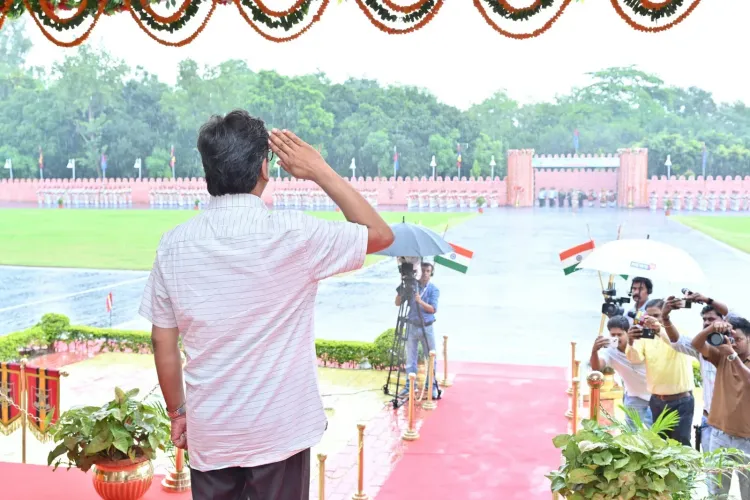
Jharkhand Chief Minister Hemant Soren on 25 June 2026 pledged modern residential schools for police children and special healthcare for police families, while congratulating newly trained officers, signalling a broader push to strengthen force welfare in the Naxal-affected state.
Key Takeaways
Hemant Soren on 25 June 2026 reaffirmed the Jharkhand government's commitment to police welfare, security, and dignity.
The government plans to establish modern residential schools with full facilities specifically for children of police personnel.
Special healthcare facilities for police families are also under development.
Soren congratulated the Jharkhand Police department on completing a successful training cycle and extended wishes to all newly trained constables and officers.
The welfare push aligns with a broader pattern in left-wing extremism-affected states of linking police benefits to recruitment, morale, and retention.
Specific budget allocations, timelines, and government orders for the announced schemes are yet to be made public.
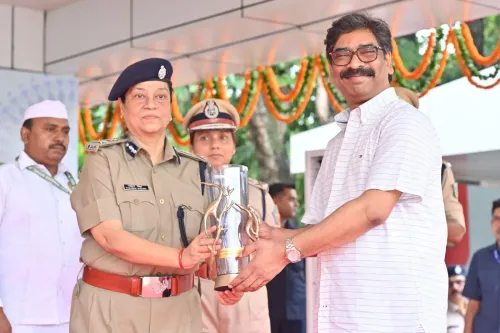
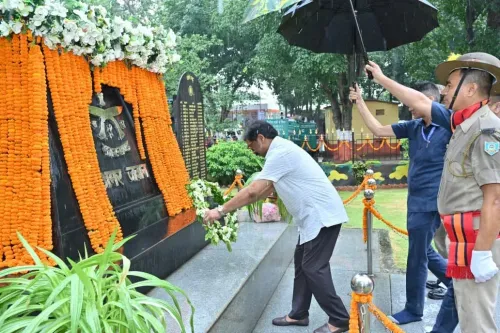
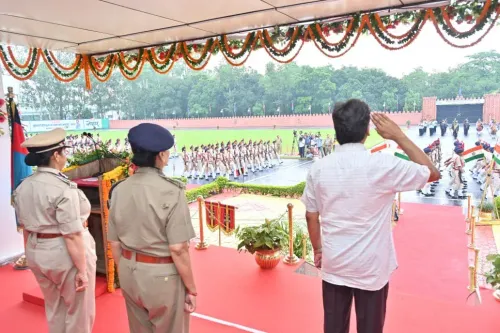
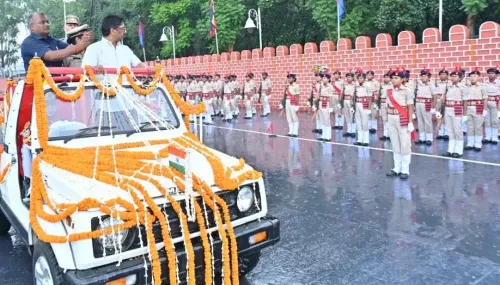
Jharkhand Chief Minister Hemant Soren on Thursday, 25 June 2026, reaffirmed his government's commitment to the welfare, security, and dignity of the state's police personnel and their families. Soren announced plans to establish modern residential schools for the children of police officers and to develop dedicated healthcare facilities for police families, while extending congratulations to the state's police department on completing a successful training cycle.
Context
Writing in Hindi on X, Soren stated that the Jharkhand government is working 'with full commitment for the welfare, security, and dignity of its police force and their families.' He specifically highlighted two flagship welfare initiatives — modern, fully equipped residential schools for the children of police personnel, and special health facilities tailored for police families — as active areas of policy development.
The Chief Minister also used the occasion to congratulate the police department on a 'successful training process' and extended warm wishes — signing off with the traditional Adivasi greeting 'Johar' — to all newly trained constables and officers.
Policy Backdrop
Jharkhand, a state with a significant left-wing extremism footprint, has historically faced challenges in police recruitment, retention, and morale. State governments since the mid-2000s have periodically announced police housing upgrades, welfare funds, and training academy improvements under broader police modernisation drives.
These state-level efforts dovetail with the central government's Police Modernisation Programme, which provides infrastructure and capacity-building funding to states. Providing education and healthcare benefits to police families is a recognised strategy in extremism-affected states to sustain force morale and reduce attrition among trained personnel.
Stakeholders and Impact
The primary beneficiaries of the announced measures are Jharkhand Police personnel — constables, sub-inspectors, and officers — along with their children and dependants. Access to residential schooling would be particularly significant for personnel posted in remote or Naxal-affected districts, where quality education infrastructure is scarce.
Dedicated health facilities would address a longstanding gap, as police families in smaller postings often rely on general public hospitals with limited capacity. The broader signal from Soren's post is one of institutional investment in the police force as a pillar of the state's development agenda, not merely a law-enforcement arm.
What's Next
The announcements as stated are directional commitments; concrete timelines, budget allocations, and government orders for the residential schools and health facilities are yet to be made public. Observers will watch the Jharkhand state budget and forthcoming government orders for specific provisions tied to these welfare measures.
The next police recruitment and training batch cycle will also be a marker of whether the welfare push translates into improved enrolment and retention numbers. Soren's message closes with the conviction that through 'government support, modern resources, and the dedication of all personnel,' the goal of a 'safe, empowered, and developed Jharkhand' will be achieved.
Point of View
The JMM government is attempting to position itself as a force-multiplier for both security and social development. The timing, tied to the conclusion of a training cycle, maximises visibility among fresh recruits and their families at a formative moment. Whether the commitments translate into budgeted schemes will be the real test of political intent versus electoral optics.
NationPress
25 Jun 2026
Frequently Asked Questions
What did Hemant Soren announce for Jharkhand Police families?
Chief Minister Hemant Soren announced plans to establish modern residential schools for the children of police personnel and to develop dedicated healthcare facilities for police families across Jharkhand.
When did Hemant Soren make this police welfare announcement?
Soren made the announcement on Thursday, 25 June 2026 , via a post on X (formerly Twitter).
What is the Jharkhand government's goal for its police force?
The Jharkhand government aims to ensure that police personnel and their families have access to better education, healthcare, and quality of life, in recognition of their round-the-clock service to state security.
Why is police welfare especially important in Jharkhand?
Jharkhand is a left-wing extremism-affected state where sustaining police morale and retention is a strategic priority. Welfare measures such as residential schools and healthcare help attract and retain trained personnel in difficult postings.
Has the Jharkhand government released a budget or timeline for the new police schools and hospitals?
As of the date of Soren's post, specific budget allocations and timelines for the residential schools and healthcare facilities have not been made public; the announcements remain directional commitments pending formal government orders.