Sitharaman Visits Puducherry's 1836 Lighthouse on Bay of Bengal
Synopsis
Union Finance Minister Nirmala Sitharaman visited Puducherry's Old Lighthouse on 25 June 2026, reflecting on its nearly 190-year role guiding ships along the Bay of Bengal. Her post, the first in a series, highlighted the structure as a symbol of maritime safety and India's coastal heritage.
Key Takeaways
Union Finance Minister Nirmala Sitharaman visited the Old Lighthouse, Puducherry on 25 June 2026 .
The lighthouse was built in 1836 and has guided maritime traffic along the Bay of Bengal for nearly 190 years .
Sitharaman described the structure as standing for 'guidance, safety, and steadiness' for seafarers.
The post was marked 1/n , signalling further posts from the Puducherry visit are forthcoming.
The visit aligns with broader government efforts to link coastal heritage sites with tourism and maritime development under the Sagarmala framework.
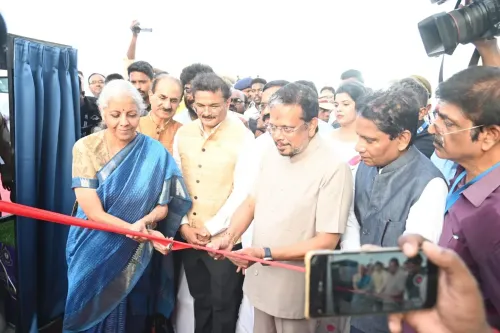
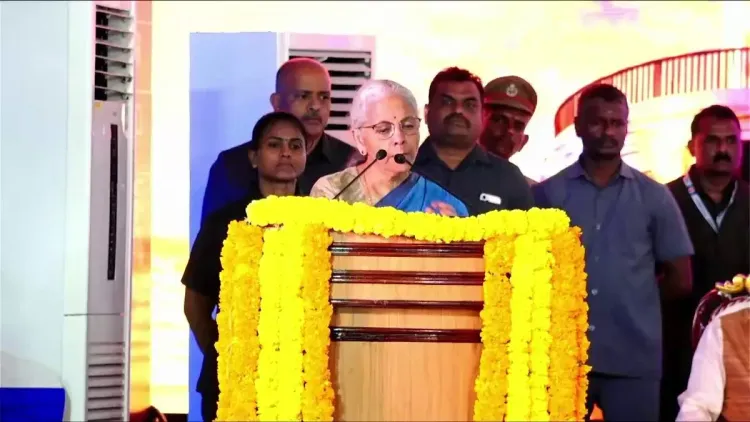
Union Finance Minister Nirmala Sitharaman visited the historic Old Lighthouse in Puducherry on Thursday, 25 June 2026, reflecting on nearly two centuries of the structure's role in guiding maritime trade along the Bay of Bengal. The minister shared her observations in a post on X, describing the lighthouse as a symbol of 'guidance, safety, and steadiness' for seafarers navigating the eastern coast.
Context
The Old Lighthouse, Puducherry, was built in 1836 — making it one of India's earliest navigational structures on the eastern seaboard. Standing above the Bay of Bengal, it has served maritime traffic for close to 190 years, helping ships navigate the coastline and supporting trade routes that have historically connected Puducherry to ports across the Indian Ocean.
Puducherry, a Union Territory with deep French colonial heritage, has long been a node in India's coastal trade history. Its seafaring communities have depended on navigational aids like the lighthouse for generations, and the structure remains a landmark of the territory's maritime identity.
Policy Backdrop
The minister's visit comes within a broader governmental emphasis on recognising and revitalising India's colonial-era maritime infrastructure. The Sagarmala project, launched in 2015, was designed to modernise ports, promote maritime trade infrastructure, and develop coastal tourism assets across India's coastline — including heritage structures along the eastern seaboard.
Coastal Union Territories such as Puducherry have been increasingly positioned within government tourism circuits that link heritage sites to economic development. Lighthouses, in particular, have drawn attention as dual-purpose assets: functional navigational aids and potential tourism landmarks that draw visitors to India's coastline.
Sitharaman's Words
Sharing her impressions directly, Sitharaman wrote: 'This Old Light House, rising above the Bay of Bengal, has stood here since 1836. For nearly two centuries, it has watched over this coast. It has guided ships, supported maritime trade and helped seafarers.'
She added a reflective note on the sea itself: 'The sea is beautiful, but it is also unforgiving. Those who live by the sea understand this better than anyone else.' The post was marked as the first in a series (1/n), indicating further observations from her Puducherry visit are expected to follow.
Stakeholders and Impact
Seafarers and coastal fishing communities along the Bay of Bengal coast remain the most direct stakeholders tied to the lighthouse's legacy. For these communities, navigational infrastructure is not merely a heritage asset but a lived necessity — a point the minister's remarks acknowledged explicitly.
Heritage conservationists and tourism planners in Puducherry are also likely to note the ministerial attention. A Finance Minister's public appreciation of a heritage structure can signal potential prioritisation in funding discussions, including the Union Budget cycle and parliamentary maritime affairs deliberations.
What's Next
With the post marked 1/n, further posts from Sitharaman's Puducherry visit are anticipated, which may shed light on the specific purpose and agenda of the trip. Observers will watch whether subsequent posts or official announcements connect the visit to any restoration funding, coastal tourism initiatives, or maritime heritage policy under the Sagarmala framework. The next Union Budget cycle and parliamentary discussions on maritime affairs remain natural forums where such signals could translate into policy action.
Point of View
A theme Sitharaman has woven into broader fiscal communication. The '1/n' marker suggests this is a curated visit narrative, and subsequent posts may reveal whether the trip carries a harder policy edge.
NationPress
25 Jun 2026
Frequently Asked Questions
How old is the Old Lighthouse in Puducherry?
The Old Lighthouse in Puducherry was built in 1836 , making it nearly 190 years old as of 2026. It is one of India's earliest navigational structures on the eastern coast.
Why did Nirmala Sitharaman visit Puducherry in June 2026?
The exact purpose of Nirmala Sitharaman's visit to Puducherry on 25 June 2026 has not been officially confirmed. Her post focused on the heritage and maritime significance of the Old Lighthouse, with further posts from the visit expected.
What is the significance of the Puducherry lighthouse?
The Old Lighthouse, Puducherry , has guided ships navigating the Bay of Bengal since 1836 , supporting maritime trade and the safety of seafarers along India's eastern coast for close to two centuries.
What is the Sagarmala project and how does it relate to lighthouses?
The Sagarmala project , launched in 2015 , aims to modernise India's ports and coastal infrastructure and develop coastal tourism assets. Lighthouses like the one in Puducherry are relevant as both functional maritime aids and heritage tourism landmarks under this framework.
Where is the Old Lighthouse located in Puducherry?
The Old Lighthouse is located in Puducherry , a Union Territory on India's eastern coast, rising above the Bay of Bengal .