CM Hemant Soren Visits Shirdi, Prays for Jharkhand's Welfare
Synopsis
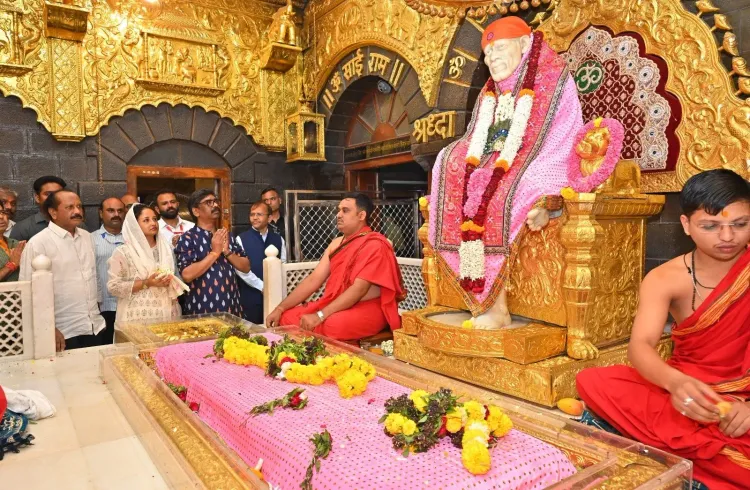
Jharkhand Chief Minister Hemant Soren visited the Sai Baba shrine at Shirdi with his family on 20 June 2026, offering prayers for the happiness, peace, prosperity, and good health of Jharkhand's people.
Key Takeaways
Hemant Soren , Chief Minister of Jharkhand and JMM executive president, visited Shirdi on 20 June 2026 .
He was accompanied by his family during the pilgrimage to the Sai Baba Samadhi Mandir .
Soren prayed for the happiness, peace, prosperity, good health, and fulfilling life of Jharkhand's residents.
The post concluded with the devotional phrases Om Sai Ram and Jai Sainath , reflecting personal faith.
Shirdi in Maharashtra is one of India's most visited interfaith pilgrimage destinations, drawing millions annually.
Such visits by chief ministers are a common practice across Indian political parties, blending personal faith with public welfare symbolism.
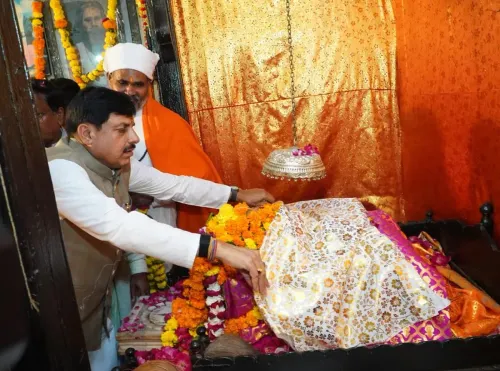
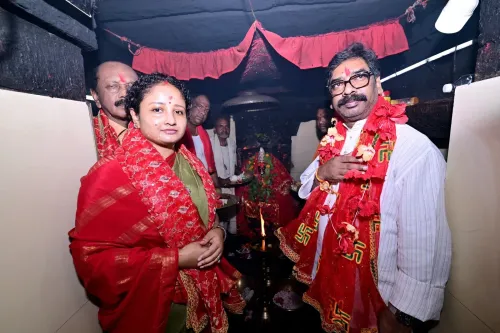
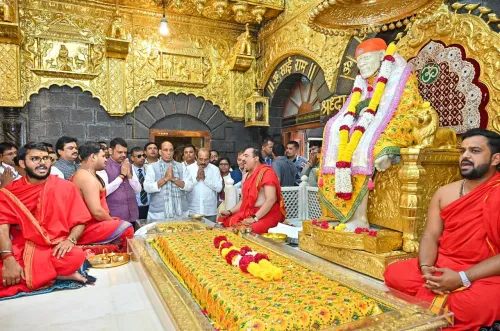
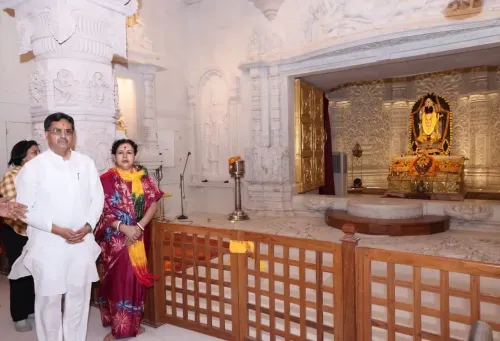
Jharkhand Chief Minister Hemant Soren visited the sacred shrine of Sai Baba at Shirdi, Maharashtra, on Friday, 20 June 2026, accompanied by his family, and offered prayers seeking happiness, peace, prosperity, good health, and a fulfilling life for the people of Jharkhand.
Posting on X, Soren wrote: 'Aaj parivaar sahit Shirdi ki paavan dharti par Sai Baba ke charno mein naman kar rajyavasiyon ki sukh, shanti, samriddhi, uttam swasthya evam khushhal jeevan ki prarthana ki' — ('Today, along with my family, I bowed at the feet of Sai Baba on the sacred soil of Shirdi and prayed for the happiness, peace, prosperity, good health, and prosperous life of the people of the state.'). He concluded the post with the devotional invocations Om Sai Ram and Jai Sainath.
Context
Shirdi, a small town in Ahmednagar district of Maharashtra, is home to the Shri Sai Baba Samadhi Mandir, one of India's most visited pilgrimage sites drawing millions of devotees annually across religious communities. Sai Baba of Shirdi, a 19th–20th century spiritual figure, is revered by both Hindu and Muslim devotees for his message of unity, compassion, and service. The shrine is considered particularly auspicious for prayers related to health and well-being.
Policy Backdrop
Indian chief ministers and senior political leaders routinely visit prominent religious centres to offer prayers for public welfare, a practice observed across party lines and regions. Such visits carry dual significance — expressing personal faith while symbolically communicating concern for citizens' welfare to a broad, interfaith audience. Soren, as executive president of the Jharkhand Mukti Morcha (JMM), leads a coalition government in a state with a diverse population including significant tribal, Hindu, Muslim, and Christian communities. The JMM has historically emphasised inclusive governance and tribal rights alongside broader development goals.
Stakeholders and Impact
The prayers offered by Soren were explicitly directed at the welfare of Jharkhand's residents — encompassing health, peace, and prosperity. Sai Baba's interfaith appeal makes a Shirdi visit a symbolically inclusive gesture, resonating with devotees across religious backgrounds within the state. The visit, undertaken with family, also carries a personal dimension separate from official state business.
What's Next
It remains to be seen whether Soren's Shirdi visit will be followed by any government announcements on health, welfare, or pilgrimage tourism initiatives in Jharkhand. The Chief Minister's public communication around themes of citizen well-being and prosperity may also feature in upcoming legislative sessions or public addresses. Observers will watch for any policy signals that align with the sentiments expressed during the visit.
Point of View
Multi-faith state like Jharkhand. Sai Baba's unique interfaith appeal — revered by Hindus and Muslims alike — makes Shirdi an especially inclusive choice of pilgrimage, one that avoids the communal optics associated with more denomination-specific shrines. In the broader pattern of Indian electoral politics, such visits serve as soft outreach to religious sentiment without explicit policy commitment. For the JMM, whose base is rooted in tribal welfare and secular coalition-building, the imagery of a leader praying for collective well-being reinforces a governance narrative centred on people's prosperity.
NationPress
19 Sept 2026
Frequently Asked Questions
Why did Hemant Soren visit Shirdi?
Hemant Soren visited the Sai Baba shrine at Shirdi on 20 June 2026 with his family to pray for the happiness, peace, prosperity, good health, and well-being of Jharkhand's people.
Who is Hemant Soren?
Hemant Soren is the Chief Minister of Jharkhand and the executive president of the Jharkhand Mukti Morcha (JMM), a regional party focused on tribal rights and state development.
Where is the Sai Baba temple located?
The Sai Baba Samadhi Mandir is located in Shirdi, a town in Ahmednagar district of Maharashtra, and is one of India's most visited pilgrimage sites.
Is Shirdi visit by Indian politicians common?
Yes, visits to major religious shrines like Shirdi are common among Indian chief ministers and politicians across party lines, symbolising prayers for public welfare and resonating with diverse voter bases.
What did Hemant Soren pray for at Shirdi?
Soren prayed for the happiness, peace, prosperity, good health, and a fulfilling life for all residents of Jharkhand.