CM Dhami Welcomes Pilgrims as Hemkund Sahib Opens for 2026 Season
Synopsis
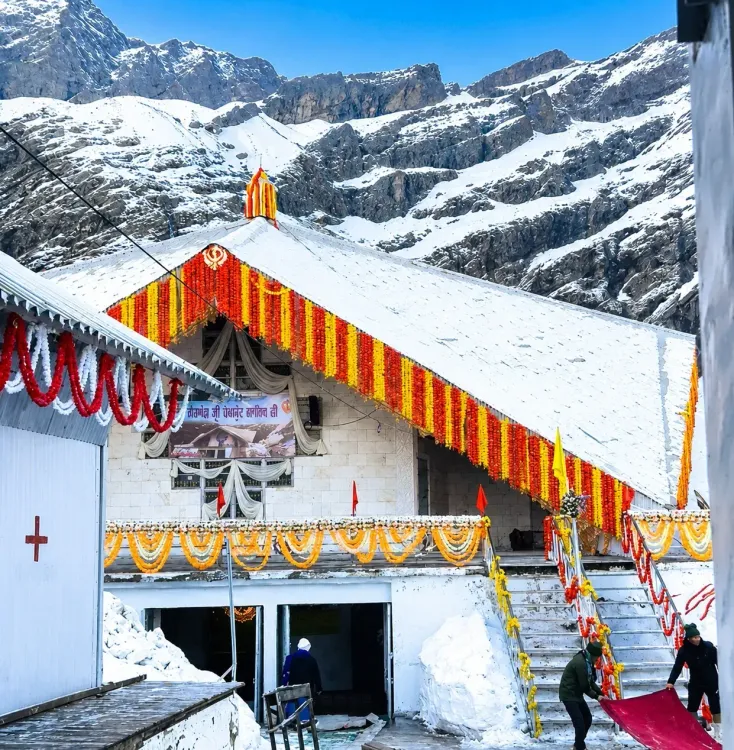
Uttarakhand CM Pushkar Singh Dhami on 23 May 2026 announced the seasonal opening of Hemkund Sahib, welcoming pilgrims from India and abroad. The state government has pledged full logistical and safety support for devotees at the high-altitude Sikh shrine in Chamoli district.
Key Takeaways
Hemkund Sahib portals were opened for the 2026 pilgrimage season with full religious rites on 23 May 2026 .
CM Pushkar Singh Dhami extended a formal welcome to pilgrims from India and abroad to Devbhoomi Uttarakhand .
The state government has committed to making the yatra smooth, safe and comfortable for all devotees.
Hemkund Sahib , located at approximately 4,329 metres in Chamoli district , is associated with Guru Gobind Singh Ji and opens seasonally each May–June.
The pilgrimage runs alongside the Char Dham Yatra , placing significant logistical demands on the Uttarakhand administration.
Local communities along the Govindghat–Ghangaria route depend on the annual pilgrimage season for their livelihoods.
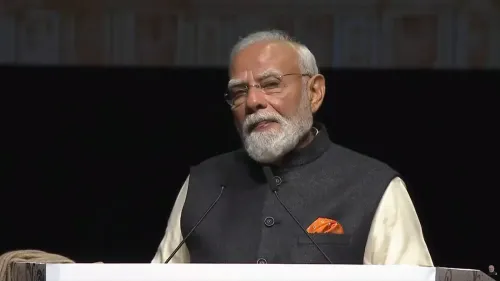
Uttarakhand Chief Minister Pushkar Singh Dhami on Saturday, 23 May 2026, announced the opening of the portals of Hemkund Sahib for the pilgrimage season, extending a formal welcome to devotees arriving from across India and abroad to the sacred high-altitude Gurudwara in Chamoli district.
Context
In his post, CM Dhami opened with the Sikh salutation 'Jo Bole So Nihal… Sat Sri Akal!' ('Blessed is the one who utters the name of God — True is the timeless Lord!'), invoking the sanctity of the occasion. He declared that the portals of Hemkund Sahib — described as a 'pavan pratik shradha, tap aur seva ka' ('sacred symbol of devotion, penance and service') — had been opened with full religious rites for the darshan of devotees. He extended a heartfelt welcome to pilgrims from home and abroad to Devbhoomi Uttarakhand and affirmed that his government was working with 'full commitment and spirit of service' to make the yatra smooth, safe and comfortable.
Policy Backdrop
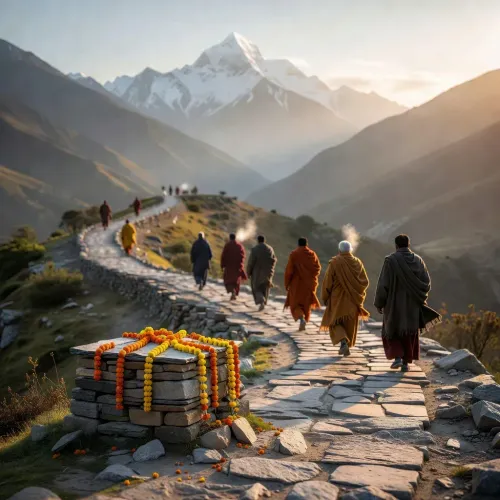
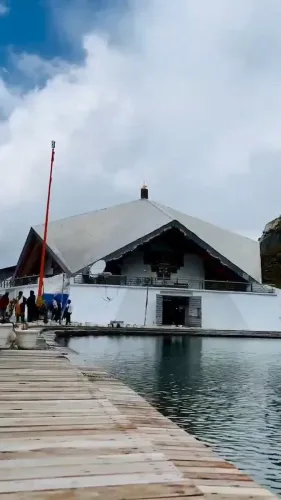
Hemkund Sahib, situated at an altitude of approximately 4,329 metres in the Chamoli district of Uttarakhand, is one of the most revered Sikh shrines in the world, associated with Guru Gobind Singh Ji. The Gurudwara remains closed through the winter months due to heavy snowfall and reopens each year — typically in May or June — following ritual ceremonies. The seasonal opening is coordinated by the state government in conjunction with the Sri Hemkund Sahib Management Trust, with arrangements covering security, medical aid and logistical access along the trek route.
Successive governments in Uttarakhand have treated the facilitation of high-altitude religious yatras as a core policy priority, both for cultural preservation and for religious tourism. The Hemkund Sahib pilgrimage runs parallel to the Char Dham Yatra, which also draws lakhs of Hindu pilgrims each season to the state.
Stakeholders and Impact
The primary beneficiaries are Sikh pilgrims — domestic and international — who undertake the arduous trek to Hemkund Sahib each season. The shrine draws devotees from Punjab, Haryana, Delhi and the Sikh diaspora in countries such as Canada, the United Kingdom and the United States. Local communities along the Govindghat–Ghangaria route, including porters, pony operators and shopkeepers, also depend on the pilgrimage season for their livelihoods.
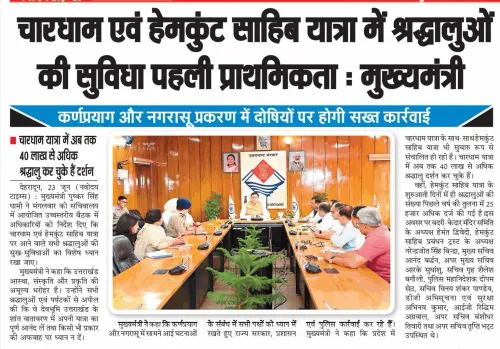
The state government's commitment to pilgrim safety carries added significance given the challenging terrain. Medical camps, helipads and road-maintenance crews are typically deployed along the route to support the large influx of devotees during the peak weeks of the season.
What's Next
With the portals now open, the state administration is expected to issue regular updates on pilgrim footfall, road conditions and facility availability at Ghangaria and along the approach from Govindghat. Authorities will also monitor weather conditions closely, as unseasonal snowfall or rain can disrupt access to the shrine. The Hemkund Sahib season typically concludes in October, when the portals are closed again ahead of winter. The parallel management of the Char Dham Yatra will test the state's logistics and administrative capacity across multiple high-altitude corridors simultaneously.
Point of View
Dhami is reinforcing the BJP's outreach to Sikh communities at a time when the party has invested heavily in that relationship nationally. The simultaneous management of Hemkund Sahib and the Char Dham Yatra is a genuine administrative stress-test, and the government's performance on pilgrim safety and facilities will be scrutinised closely. How the state handles any weather disruptions or crowd-management challenges this season will shape the narrative around Uttarakhand's governance credentials heading into the next electoral cycle.
NationPress
12 Oct 2026
Frequently Asked Questions
When did Hemkund Sahib open in 2026?
Hemkund Sahib opened for the 2026 pilgrimage season on 23 May 2026 , as announced by Uttarakhand Chief Minister Pushkar Singh Dhami.
Where is Hemkund Sahib located?
Hemkund Sahib is located in the Chamoli district of Uttarakhand , at an altitude of approximately 4,329 metres in the Himalayas.
Who manages Hemkund Sahib?
The shrine is managed by the Sri Hemkund Sahib Management Trust in coordination with the Uttarakhand state government , which oversees seasonal opening ceremonies and pilgrim facilities.
Which Sikh Guru is associated with Hemkund Sahib?
Hemkund Sahib is associated with Guru Gobind Singh Ji , the tenth Sikh Guru, who is said to have meditated at the site in a previous life according to Sikh scripture.
What facilities does the Uttarakhand government provide for Hemkund Sahib pilgrims?
The state government typically deploys medical camps, helipads and road-maintenance crews along the Govindghat–Ghangaria route, and has pledged to make the 2026 yatra smooth, safe and comfortable for all devotees.