CM Dhami Hails Modi's NZ Mention of Hemkund Sahib Ropeway
Synopsis
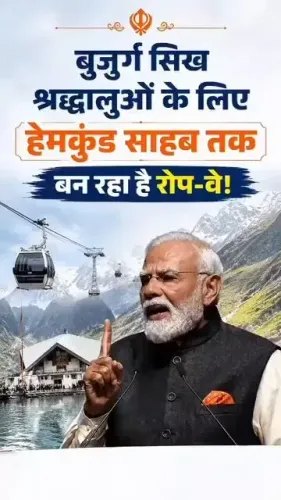
Uttarakhand CM Pushkar Singh Dhami on 11 July 2026 highlighted PM Modi's reference to the Hemkund Sahib Ropeway during the PM's New Zealand visit, calling the ambitious project a key driver of pilgrim convenience and state development.
Key Takeaways
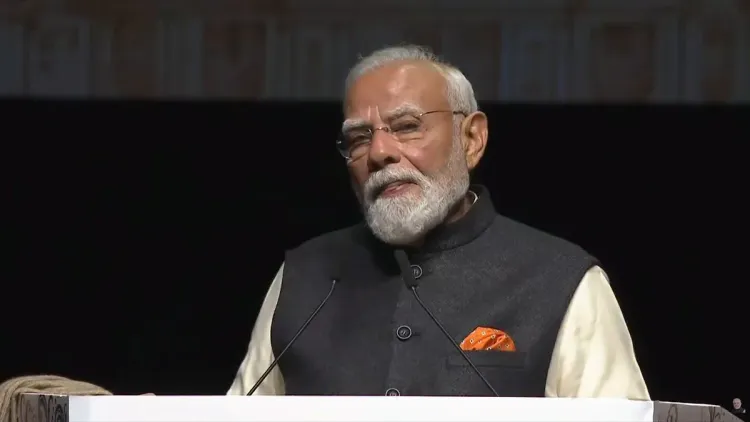
PM Narendra Modi publicly referenced the Hemkund Sahib Ropeway Project during his visit to New Zealand on 11 July 2026 .
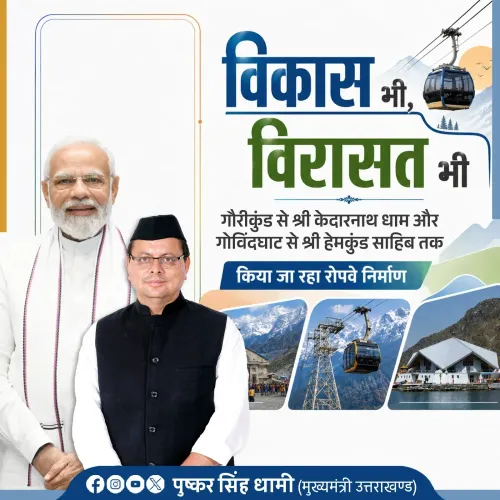
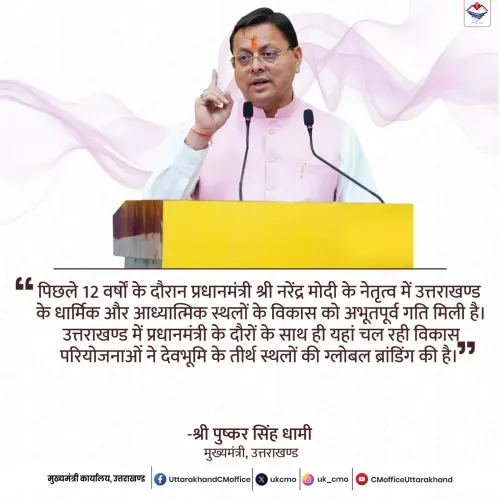
CM Pushkar Singh Dhami welcomed the mention on X, calling the project a boost for pilgrim convenience and Uttarakhand 's development.
The ropeway falls under the Parvatmala National Ropeways Programme , launched in 2021-22 for hilly and pilgrimage regions.
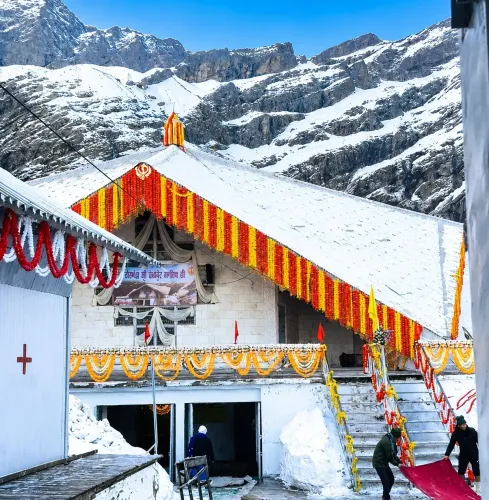
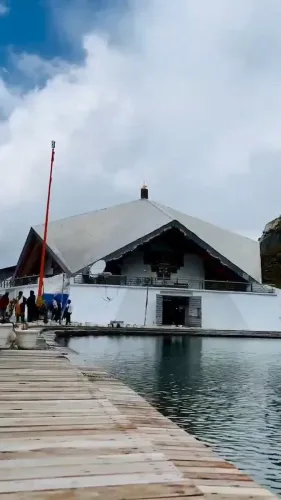
Hemkund Sahib , located in Chamoli district , is one of the world's highest Sikh gurdwaras and currently requires a strenuous high-altitude trek.
The project is expected to benefit lakhs of pilgrims annually, particularly elderly and differently-abled devotees.
Construction milestones and revised completion timelines from the state government and the Ministry of Road Transport and Highways are awaited.
Uttarakhand Chief Minister Pushkar Singh Dhami on Saturday, 11 July 2026, welcomed Prime Minister Narendra Modi's public reference to the Hemkund Sahib Ropeway Project during the PM's visit to New Zealand, calling it a milestone for pilgrim connectivity and the state's broader development agenda.
Posting on X, CM Dhami noted that from New Zealand's soil, the Prime Minister had highlighted the world-renowned Hemkund Sahib Ropeway, describing it as an ambitious project that is 'rapidly taking shape' (tezi se sakar ho raha hai) and is set to give fresh momentum to both pilgrim convenience and Uttarakhand's development.
Context
The Hemkund Sahib shrine, located in Chamoli district, Uttarakhand, is one of the highest Sikh gurdwaras in the world, drawing lakhs of devotees each year. Access currently requires a strenuous trek at high altitude, making it inaccessible to elderly pilgrims and those with physical limitations. A ropeway would dramatically cut travel time and open the shrine to a far wider cross-section of worshippers.
PM Modi's overseas invocation of a state-level infrastructure project signals the importance the central government attaches to pilgrimage connectivity as a development narrative — a pattern seen on multiple international visits in recent years.
Policy Backdrop
The ropeway proposal sits within the Parvatmala National Ropeways Programme, launched in 2021-22, which aims to build passenger ropeways across hilly and pilgrimage regions of India. The programme is designed to provide an alternative to road travel in terrain where construction faces serious environmental and geological constraints.
Uttarakhand has been among the primary beneficiaries of this initiative, with several ropeway proposals cleared under the central scheme to reduce journey times to religious sites including Kedarnath and Yamunotri. The Hemkund Sahib project is among the most prominent and symbolically significant of these proposals.
Stakeholders and Impact
The project's most immediate beneficiaries would be the lakhs of pilgrims — particularly elderly and differently-abled devotees — who currently cannot complete the high-altitude trek to Hemkund Sahib. The Uttarakhand tourism sector stands to gain significantly, with improved accessibility expected to boost visitor numbers and associated economic activity in the Chamoli region.
Ropeway-led connectivity also reduces pressure on fragile Himalayan roads and lowers the carbon footprint of pilgrimage travel, aligning with the state's stated environmental commitments. Local communities along the route could see increased livelihood opportunities tied to a higher pilgrim footfall.
What's Next
Attention will now turn to the release of construction milestones or a revised completion timeline by the Uttarakhand government or the Ministry of Road Transport and Highways. CM Dhami's public acknowledgement of the PM's statement is likely to add political momentum to demands for an accelerated project schedule. If the ropeway is completed as envisaged, it would mark a transformative shift in how India's high-altitude pilgrimage sites are accessed — setting a template for similar projects across the Himalayas.
Point of View
Amplifying the PM's words serves a dual purpose: reinforcing BJP's development narrative ahead of any electoral cycle and pressing for faster central disbursements. The Hemkund Sahib project, given its significance to the Sikh community, also carries cross-state political weight extending well beyond Uttarakhand. The broader arc here is India's systematic attempt to reframe pilgrimage as infrastructure-led development, with ropeways as the most visible symbol of that shift.
NationPress
10 Oct 2026
Frequently Asked Questions
What is the Hemkund Sahib Ropeway Project?
The Hemkund Sahib Ropeway Project is an infrastructure initiative aimed at providing aerial connectivity to the Hemkund Sahib gurdwara in Chamoli district, Uttarakhand, replacing the current high-altitude trek and making the shrine accessible to a wider range of pilgrims.
Why did PM Modi mention the Hemkund Sahib Ropeway in New Zealand?
PM Modi referenced the project during his July 2026 visit to New Zealand to highlight India's development momentum, particularly in pilgrimage infrastructure. Indian prime ministers routinely cite such projects during overseas visits to illustrate domestic progress.
What is the Parvatmala National Ropeways Programme?
The Parvatmala National Ropeways Programme was launched in 2021-22 to construct passenger ropeways in hilly and pilgrimage areas across India, offering an alternative to road travel in terrain where construction is environmentally and geologically challenging.
Where is Hemkund Sahib located and why is it significant?
Hemkund Sahib is a historic Sikh gurdwara situated in Chamoli district, Uttarakhand, at high altitude in the Himalayas. It is one of the highest gurdwaras in the world and attracts lakhs of Sikh pilgrims every year.
How will the Hemkund Sahib Ropeway benefit pilgrims?
The ropeway will significantly cut travel time to the shrine, eliminate the need for a strenuous high-altitude trek, and open access to elderly, differently-abled, and other pilgrims who currently cannot make the journey on foot.