CM Dhami Pushes Govindghat-Hemkund Sahib Ropeway Survey
Synopsis
The Uttarakhand CMO confirmed on 24 June 2026 that land identification and survey work for the Govindghat-Hemkund Sahib Ropeway Project in Chamoli is actively progressing under PM Modi's guidance and CM Dhami's leadership, advancing the state's push to modernise high-altitude pilgrimage connectivity.
Key Takeaways
The Chief Minister's Office of Uttarakhand confirmed on 24 June 2026 that land identification and survey work for the Govindghat-Hemkund Sahib Ropeway Project is underway.
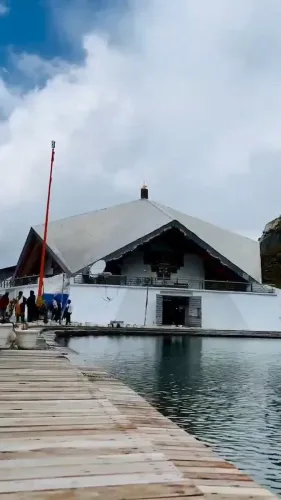
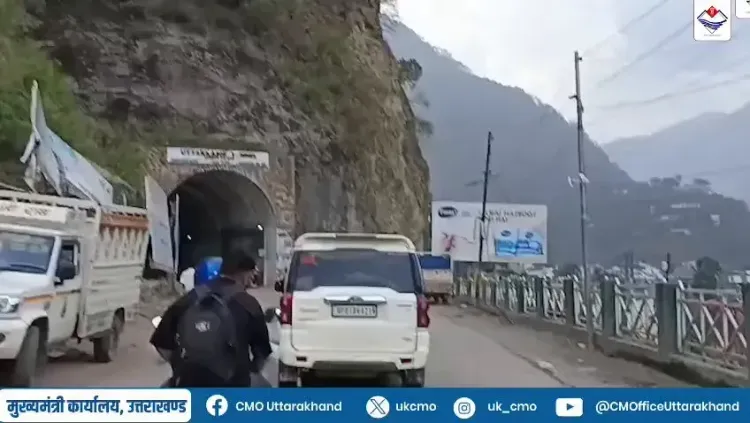
The project is located in Chamoli district and aims to connect Govindghat — the traditional trek base — to the high-altitude Sikh shrine of Hemkund Sahib .
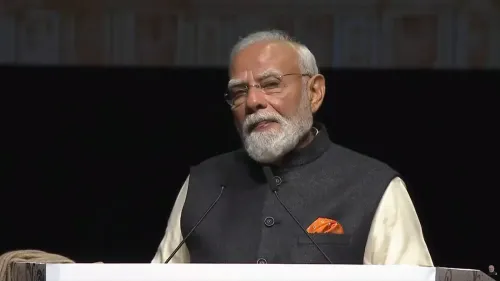
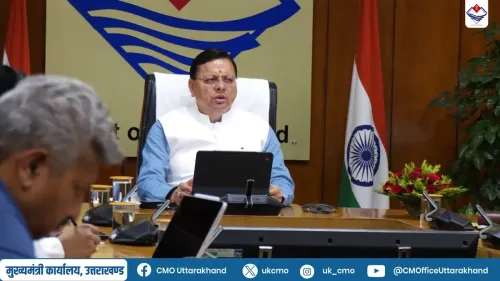
The initiative is attributed to the guidance of PM Narendra Modi and the leadership of CM Pushkar Singh Dhami .
The ropeway is part of Uttarakhand's broader policy, active since 2021 , to expand cable-based connectivity at major religious sites.
Next steps include completing the survey, followed by environmental and forest clearances before construction tendering can begin.
Key stakeholders include Sikh pilgrims , Chamoli residents, local tourism operators, and environmental regulators.
The Chief Minister's Office of Uttarakhand announced on Wednesday, 24 June 2026 that land identification and survey work for the Govindghat-Hemkund Sahib Ropeway Project in Chamoli district is actively underway, framing the initiative as part of a broader drive to expand connectivity to religious sites across the state.
The post, shared from the official CMO handle, credited the project's momentum to the guidance of Prime Minister Narendra Modi and the leadership of Chief Minister Pushkar Singh Dhami. In the original Hindi, the office stated: 'गोविंदघाट-हेमकुंट साहिब रोपवे प्रोजेक्ट हेतु भूमि चिन्हीकरण और सर्वेक्षण कार्य गतिमान है' — meaning 'land identification and survey work for the Govindghat-Hemkund Sahib Ropeway Project is in progress.'
Context
Hemkund Sahib is one of the most revered Sikh pilgrimage sites in India, situated at a high altitude in Chamoli district, Uttarakhand. Govindghat serves as the traditional base camp from which pilgrims undertake a demanding multi-kilometre trek to reach the gurudwara. The terrain is steep, weather-dependent, and physically taxing, making accessibility a long-standing challenge for elderly and differently-abled devotees.
A ropeway connecting the two points would dramatically reduce travel time and physical strain, potentially opening the pilgrimage to a much wider section of the Sikh community and general tourists.
Policy Backdrop
Since 2021, the Uttarakhand government under Chief Minister Dhami has prioritised ropeway development as a pillar of its religious tourism policy. The state has advanced similar cable-transport proposals at other high-altitude sites, including locations along the Char Dham circuit, as part of coordinated central-state efforts to provide all-weather Himalayan connectivity.
These initiatives align with the central government's broader push to modernise pilgrimage infrastructure, reduce accident risk on mountain trails, and stimulate local economies in remote Himalayan districts. The survey and land-identification phase now underway at Govindghat is a standard precursor to formal project tendering and environmental clearance processes.
Stakeholders and Impact
Sikh pilgrims from across India and the global diaspora stand to benefit most directly, as the ropeway would make Hemkund Sahib accessible without the physical demands of the current trek. Chamoli district residents and local tourism operators — including guesthouses, porters, and pony services along the existing trail — represent stakeholders whose livelihoods could be reshaped by the project.
Environmental groups and forest authorities will be key actors in subsequent clearance stages, given the ecologically sensitive Himalayan terrain through which the ropeway corridor must pass.
What's Next
The immediate milestone is the completion of the land-identification and survey exercise. Following that, the project will require environmental and forest clearances from both state and central bodies before construction tendering can begin. Progress on these regulatory steps will determine the project's actual timeline.
As Uttarakhand continues to position itself as a premier destination for spiritual tourism, the Govindghat-Hemkund Sahib ropeway represents a test case for how swiftly the state can translate survey-stage announcements into on-ground infrastructure delivery in sensitive high-altitude zones.
Point of View
A meaningful procedural step even if construction remains distant. For CM Dhami, publicising the survey phase serves a dual political purpose: it reassures the Sikh community of the state's commitment to their premier pilgrimage site and reinforces Uttarakhand's brand as a proactive religious-tourism destination ahead of assembly cycles. The project also fits a clear central-state coordination pattern, where Modi government infrastructure priorities are executed through state machinery and then jointly credited — a template visible across the Char Dham highway project and other Himalayan connectivity drives. Whether the ropeway clears the more complex hurdles of environmental scrutiny and forest diversion approvals will be the true test of the initiative's political and administrative seriousness.
NationPress
22 Sept 2026
Frequently Asked Questions
What is the Govindghat-Hemkund Sahib Ropeway Project?
It is a proposed cable-car ropeway in Chamoli district, Uttarakhand, that would connect Govindghat — the traditional trek base — to the high-altitude Sikh gurudwara of Hemkund Sahib, reducing the need for a physically demanding mountain trek.
What is the current status of the Hemkund Sahib ropeway?
As of 24 June 2026, the project is in the land identification and survey stage. Construction has not begun, and environmental and forest clearances are still pending.
Where is Hemkund Sahib located?
Hemkund Sahib is a revered Sikh pilgrimage site situated at high altitude in Chamoli district of Uttarakhand, in the Indian Himalayas.
Who announced the Govindghat-Hemkund Sahib ropeway survey?
The Chief Minister's Office of Uttarakhand announced the progress on 24 June 2026, crediting PM Narendra Modi's guidance and CM Pushkar Singh Dhami's leadership.
How will the Hemkund Sahib ropeway benefit pilgrims?
The ropeway would make Hemkund Sahib accessible to elderly, differently-abled, and less physically fit pilgrims by replacing the current arduous high-altitude trek with cable-based transport.