CM Hemant Soren Reviews Welfare Dept for ST, SC, OBC, Minorities
Synopsis
Chief Minister Hemant Soren on June 1, 2026, reviewed the functioning of Jharkhand's Scheduled Tribe, Scheduled Caste, Minority and Backward Class Welfare Department, issuing directions to officials — underscoring the JMM government's continued focus on welfare delivery for marginalised communities.
Key Takeaways
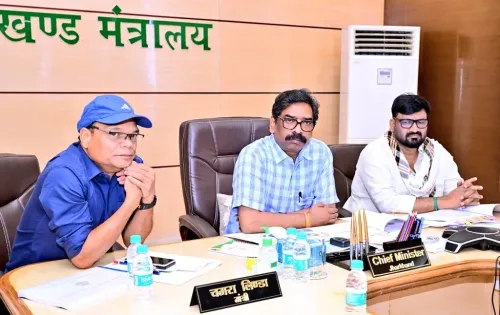
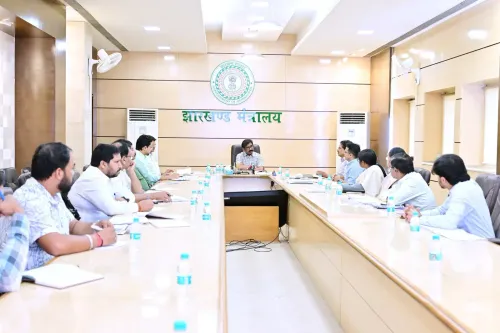
Chief Minister Hemant Soren conducted a review of the ST, SC, Minority and Backward Class Welfare Department on June 1, 2026 .
The Chief Minister issued necessary directions and guidelines to departmental officials during the review.
The department serves four key population groups: Scheduled Tribes, Scheduled Castes, religious minorities, and OBCs .
Scheduled Tribes constitute over 26 percent of Jharkhand's population, making welfare delivery a high-stakes policy area.
The review is consistent with the Jharkhand Mukti Morcha government's practice of periodic oversight of welfare scheme implementation.
Specific directions issued during the review have not been made public; follow-up announcements are expected.
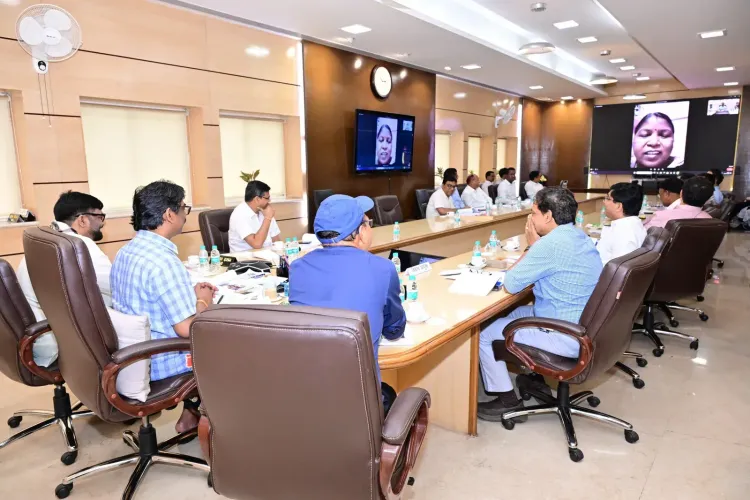
The Chief Minister's Office of Jharkhand announced on Monday, June 1, 2026, that Chief Minister Hemant Soren conducted a comprehensive review of the Scheduled Tribe, Scheduled Caste, Minority and Backward Class Welfare Department, issuing necessary directions to departmental officials in the process.
Context
The CMO post, originally in Hindi, states: 'Mukhyamantri Shri Hemant Soren ne Anusuchit Janjati, Anusuchit Jati, Alpasankhyak evam Pichhda Varg Kalyan Vibhag ke karyon ki samiksha ki' — 'Chief Minister Hemant Soren reviewed the functioning of the Scheduled Tribe, Scheduled Caste, Minority and Backward Class Welfare Department.' The announcement further notes that during the review, the Chief Minister issued necessary guidelines and directions to departmental officials.
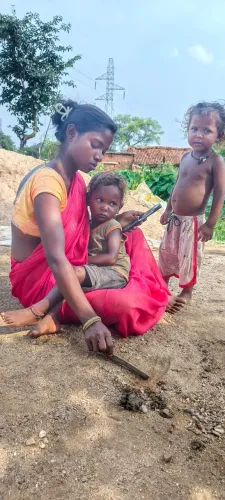
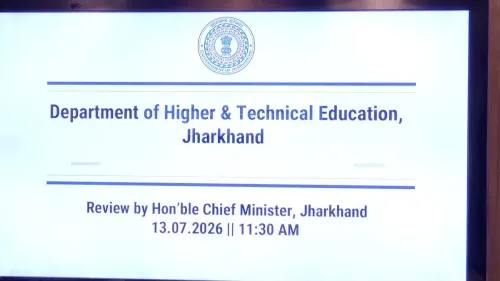
The review was accompanied by four images shared by the official CMO account, and tagged officials associated with the Jharkhand Mukti Morcha government.
Policy Backdrop
Since Jharkhand's formation in 2000, the state has maintained a dedicated welfare apparatus — including Tribal Sub-Plans — to address persistent development gaps for its large indigenous population. Scheduled Tribes constitute over 26 percent of Jharkhand's population, making the state one of the most tribal-concentrated in India.
Successive administrations have used periodic departmental reviews to track delivery of schemes covering education, scholarships, skill development, and financial inclusion for Scheduled Castes, Scheduled Tribes, Other Backward Classes, and minority communities. The Jharkhand Mukti Morcha, which leads the current government, has consistently positioned welfare for tribal and marginalised communities as a central policy plank.
Stakeholders and Impact
The department under review serves four broad population groups: Scheduled Tribes, Scheduled Castes, religious minorities, and Other Backward Classes — collectively representing a substantial majority of Jharkhand's residents. Welfare delivery for these groups spans hostel facilities, pre- and post-matric scholarships, livelihood programmes, and community development initiatives.
Departmental reviews of this nature typically result in course corrections on scheme implementation, reallocation of funds to underperforming areas, or acceleration of pending projects. The directions issued by CM Soren during this review are expected to guide departmental priorities in the near term, though their specific content has not been made public.
What's Next
Observers will watch for follow-up actions emerging from the directions issued, including any new scheme announcements, revised targets, or budget adjustments that may be placed before the Jharkhand State Assembly in upcoming sessions. The review signals continued administrative focus on accountability in welfare delivery — a metric that carries significant electoral weight in a state where tribal and marginalised communities form the core voter base for the ruling alliance.
Frequently Asked Questions
What did CM Hemant Soren review on June 1 2026?
Chief Minister Hemant Soren reviewed the functioning of Jharkhand's Scheduled Tribe, Scheduled Caste, Minority and Backward Class Welfare Department, and issued directions to departmental officials.
Which department did Hemant Soren review?
He reviewed the Scheduled Tribe, Scheduled Caste, Minority and Backward Class Welfare Department of the Jharkhand government, which oversees schemes for education, scholarships, and socio-economic upliftment of marginalised communities.
What is the role of Jharkhand's ST SC Minority Welfare Department?
The department implements government schemes related to education, scholarships, skill development, and financial inclusion for Scheduled Tribes, Scheduled Castes, religious minorities, and Other Backward Classes in Jharkhand.
What share of Jharkhand's population are Scheduled Tribes?
Scheduled Tribes constitute over 26 percent of Jharkhand's population, making the state one of the most tribal-concentrated in India and welfare delivery a central policy priority.
What is the Jharkhand Mukti Morcha's stance on tribal welfare?
The Jharkhand Mukti Morcha, which leads the current state government under CM Hemant Soren, has consistently positioned the rights and development of Scheduled Tribes and other marginalised communities as a central policy and political priority.