CM Sukhu Greets Doctors, Flags HP's Robotic Surgery Push
Synopsis
On National Doctors' Day, Himachal Pradesh Chief Minister Sukhvinder Singh Sukhu greeted physicians and underscored the state's drive to expand robotic surgery, MRI, and advanced technology in government medical colleges to make quality healthcare accessible across the hill state.
Key Takeaways
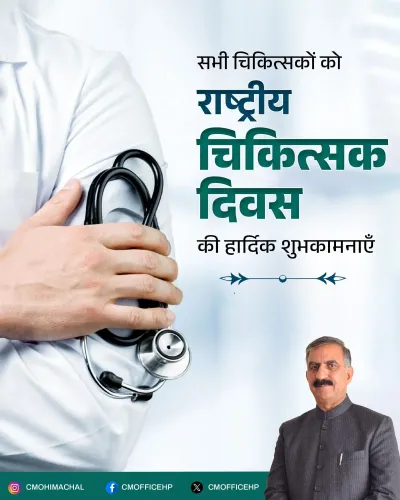
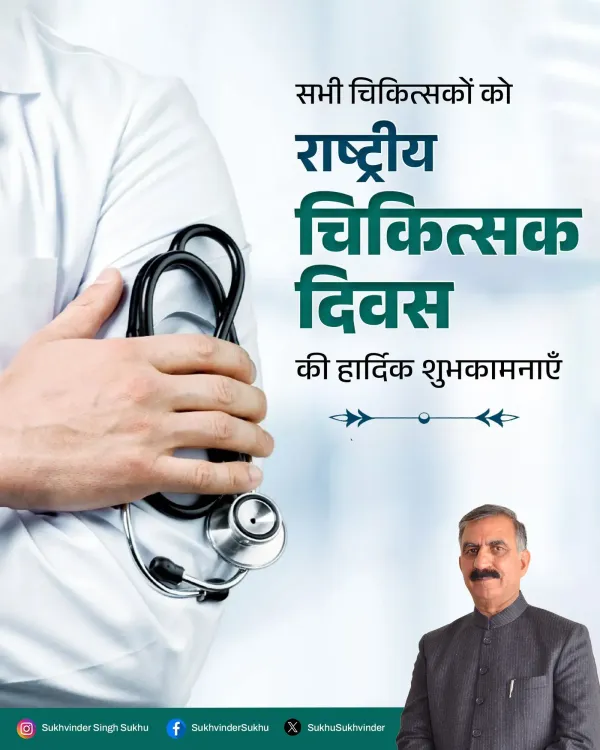
CM Sukhvinder Singh Sukhu posted Doctors' Day greetings on 1 July 2026 , dedicating the message to physicians who treat human service as their highest calling.
National Doctors' Day is observed annually on 1 July to mark the birth and death anniversaries of Dr.
Bidhan Chandra Roy and has been a national observance since 1991 .
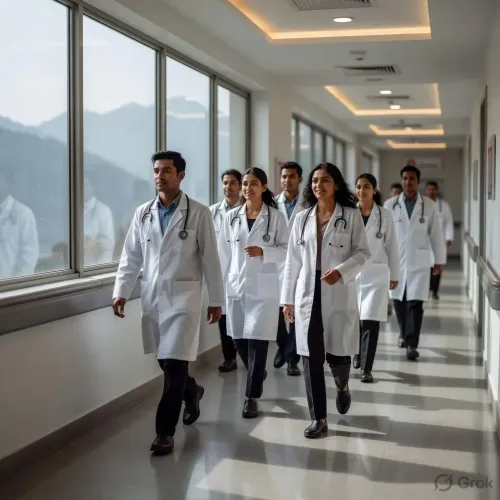
The Himachal Pradesh government is expanding robotic surgery and MRI facilities in state medical colleges to improve precision care and reduce patient referrals to distant metro hospitals.
The upgrades aim to make health services 'stronger, accessible, and modern' for the state's dispersed mountain population.
Funding for such infrastructure typically combines state budget allocations with central schemes such as Ayushman Bharat Pradhan Mantri Jan Arogya Yojana .
Rollout timelines, patient volumes, and the 2026-27 budget for equipment maintenance and specialist training remain key indicators to watch.
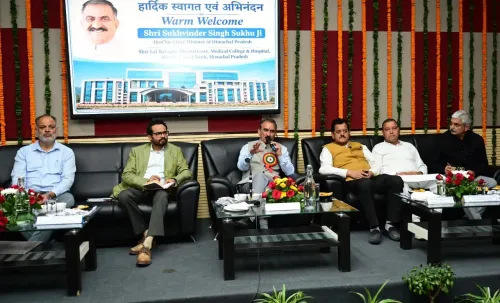
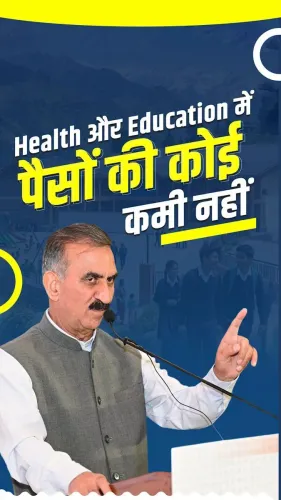
Himachal Pradesh Chief Minister Sukhvinder Singh Sukhu on Wednesday, 1 July 2026, marked National Doctors' Day by greeting physicians across the state and highlighting the expansion of robotic surgery, MRI, and other advanced technologies in Himachal Pradesh's government medical colleges.
In his post on X, CM Sukhu wrote: 'मानव सेवा को सर्वोच्च धर्म मानकर अपना जीवन समर्पित करने वाले सभी चिकित्सकों को राष्ट्रीय चिकित्सक दिवस की हार्दिक शुभकामनाएँ' — 'Heartfelt greetings on National Doctors' Day to all physicians who have dedicated their lives to human service as the highest calling.' He added that robotic surgery, MRI, and cutting-edge technologies are being expanded in the state's medical colleges to make healthcare 'stronger, accessible, and modern' for ordinary citizens.
Context
National Doctors' Day is observed every year on 1 July across India to honour the medical profession and commemorate the birth and death anniversaries of eminent physician and former West Bengal Chief Minister Dr. Bidhan Chandra Roy. The day has been marked nationally since 1991, following a proposal by the Indian Medical Association. Chief Ministers and senior leaders routinely use the occasion to announce or highlight health-sector commitments.
Himachal Pradesh presents a distinctive healthcare challenge: its dispersed, mountainous population makes access to tertiary care difficult, and patients have historically had to travel to distant metro hospitals for advanced procedures. Expanding specialised infrastructure within the state is therefore a recurring policy priority.
Policy Backdrop
The push to introduce robotic surgery and advanced diagnostics such as MRI in government medical colleges aligns with a broader national trend. Several Indian states have added such units to public hospitals, partly financed through central schemes including the Ayushman Bharat Pradhan Mantri Jan Arogya Yojana, launched in 2018, which supports state-level infrastructure upgrades alongside health coverage. Equipment costs, specialist training, and ongoing maintenance are typically shared between state budgets and central health allocations.
Robotic-assisted surgery in government settings offers advantages of precision and shorter recovery times — benefits particularly relevant for patients in hilly terrain who cannot afford prolonged hospital stays far from home. Himachal Pradesh's programme mirrors similar drives in other geographically challenging states seeking to reduce out-of-state referrals.
Stakeholders and Impact
The primary beneficiaries of these upgrades are Himachal Pradesh's rural and semi-urban patients who previously lacked access to minimally invasive or high-precision procedures without travelling to cities such as Chandigarh or Delhi. Medical professionals — the direct audience of CM Sukhu's Doctors' Day message — stand to gain from working with modern equipment that can improve clinical outcomes and professional development opportunities.
State-run medical colleges also benefit institutionally, as advanced technology strengthens their capacity for postgraduate training and research, potentially improving recruitment and retention of specialist faculty in a hill state that has historically struggled to attract senior medical talent.
What's Next
Attention will now turn to the rollout timelines and patient volumes for robotic procedures at Himachal Pradesh's government medical colleges, as well as the state's budget allocations for equipment maintenance and specialist training in 2026-27. The degree to which these technologies are operationalised — rather than merely procured — will determine the on-ground impact for patients across the state's difficult terrain.
Point of View
Using a high-visibility occasion to reinforce his government's healthcare modernisation narrative ahead of budget scrutiny. The emphasis on robotic surgery and MRI in government medical colleges is notable in a state where geography has long been a barrier to tertiary care — framing technology as an equity tool, not merely a prestige project. This fits a wider Congress-governed-state pattern of using welfare-adjacent announcements to counter BJP narratives on governance. The real test will be whether commissioning timelines and utilisation data back up the rhetoric in the months ahead.
NationPress
29 Sept 2026
Frequently Asked Questions
What is National Doctors' Day and why is it celebrated on 1 July?
National Doctors' Day is observed on 1 July every year in India to honour the medical profession and commemorate the birth and death anniversaries of renowned physician and former West Bengal Chief Minister Dr. Bidhan Chandra Roy . It has been a national observance since 1991 .
What did CM Sukhu say on National Doctors' Day 2026?
CM Sukhvinder Singh Sukhu greeted all doctors on National Doctors' Day 2026 and stated that robotic surgery, MRI, and other advanced technologies are being expanded in Himachal Pradesh's medical colleges to make healthcare stronger, accessible, and modern for ordinary citizens.
Which hospitals in Himachal Pradesh have robotic surgery?
The Himachal Pradesh government has announced expansion of robotic surgery in state medical colleges, though exact locations and commissioning dates of all installations have not been officially confirmed in detail as of mid-2026.
How is Himachal Pradesh funding advanced medical equipment like MRI and robotic surgery?
Such infrastructure upgrades are typically funded through a combination of the Himachal Pradesh state budget and central government health schemes such as Ayushman Bharat Pradhan Mantri Jan Arogya Yojana , which was launched in 2018 to support state-level health infrastructure.
Why is advanced healthcare infrastructure important for Himachal Pradesh?
Himachal Pradesh's mountainous terrain and dispersed population mean that patients have historically had to travel to distant cities for advanced procedures. Expanding robotic surgery and diagnostics within the state reduces the need for such referrals and improves access to quality care locally.