CM Sukhu Launches 'Green Shimla' Plantation Week at Oak Over
Synopsis
Chief Minister Sukhvinder Singh Sukhu inaugurated the third edition of the 'Green Shimla, Our Shimla' plantation week at Oak Over on 6 August 2026, setting a target of 5,000 to 10,000 saplings. Ministers will lead drives statewide through the week, with baan and deodar saplings distributed to municipal councillors.
Key Takeaways
CM Sukhvinder Singh Sukhu launched the week-long plantation drive on 6 August 2026 at the Oak Over complex, Shimla .
The campaign — 'Green Shimla, Our Shimla' — is in its third consecutive year , run by the Shimla Municipal Corporation .
This year's target is planting 5,000 to 10,000 saplings across the week-long drive.
Municipal councillors received saplings of baan (Himalayan oak) and deodar , both native Himalayan species.
State cabinet ministers will participate in plantation events across Himachal Pradesh through the week to boost public participation.
Rural Development Minister Anirudh Singh and Mayor Surendra Chauhan were present at the launch.
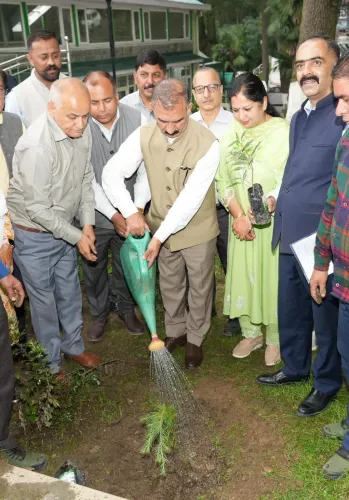
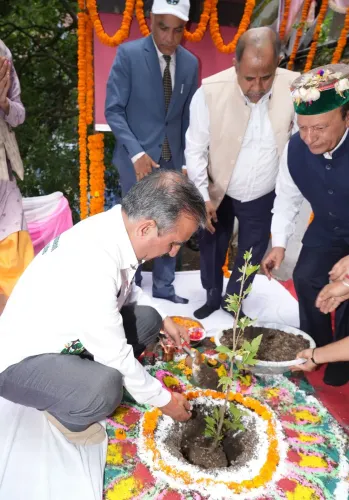
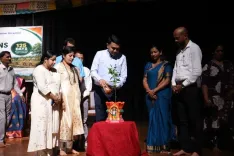
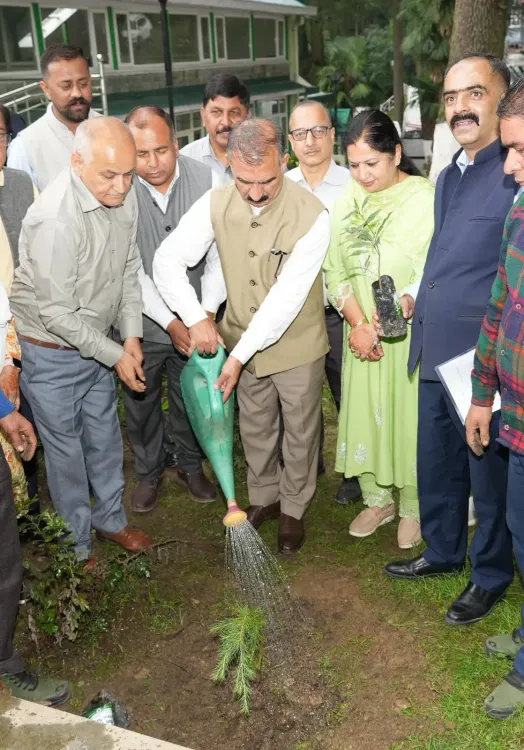
In the cool shadow of the Oak Over complex in Shimla, Himachal Pradesh Chief Minister Sukhvinder Singh Sukhu planted a sapling on Thursday, 6 August 2026 — and with it, fired the starting gun on the third edition of a campaign that has quietly become one of the city's most visible green commitments.
The Shimla Municipal Corporation's 'Green Shimla, Our Shimla' (Harit Shimla, Hamara Shimla) campaign kicked off its week-long plantation drive with CM Sukhu urging every resident of the state to plant at least one tree every year — and, crucially, to commit to nurturing it. 'Himachal's identity is defined by its forests and mountains,' he said, framing the act of planting not as a civic duty but as an assertion of who the hill state is.
5,000 to 10,000 Saplings: What This Year's Drive Aims to Deliver
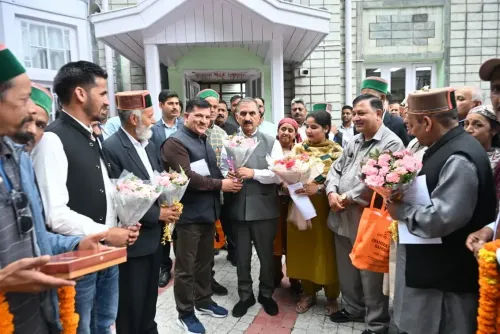
The 2026 edition has set a target of planting between 5,000 and 10,000 saplings across the week. On the opening day, municipal councillors were handed saplings of baan (Himalayan oak) and deodar — two species deeply woven into the ecological and cultural fabric of the region — to carry the drive into their own wards.
Rural Development and Panchayati Raj Minister Anirudh Singh, Shimla Mayor Surendra Chauhan, and a gathering of councillors and dignitaries were present at the launch. Through the rest of the week, state cabinet ministers will participate in plantation events across Himachal Pradesh, with the explicit aim of turning a civic programme into a mass movement.
Three Years In: How the Campaign Has Grown
This is the campaign's third consecutive year — a marker that separates it from one-off symbolic gestures. The Shimla Municipal Corporation has anchored it as an annual fixture, building on the momentum of two prior editions to widen both the tree count and public participation. The choice of baan and deodar is deliberate: both are native Himalayan species that support biodiversity, stabilise slopes, and signal ecological intent over ornamental planting.
Himachal Pradesh sits at the frontline of Himalayan ecological stress — shifting rainfall patterns, urban sprawl on fragile slopes, and forest degradation are pressures the state has long grappled with. Community-led urban greening drives like this one are part of a broader state approach that leans on local bodies and public ownership rather than top-down mandates alone.
Whether the week closes with 5,000 trees or 10,000, the real test will come in the seasons that follow — in whether the saplings are tended, whether the councillors who received them this morning become stewards rather than photo-op participants. That is the wager every plantation campaign makes. Himachal is three years into finding out.
Point of View
Our Shimla' campaign entering its third year signals the Sukhu government's effort to institutionalise environmental action at the municipal level rather than rely on one-off state announcements. Deploying cabinet ministers across the state for a civic plantation week is a deliberate attempt to give the drive political weight and media reach beyond Shimla city. The choice of native species — baan and deodar — over ornamental trees reflects a shift toward ecologically credible afforestation, which matters in a state where forest health is both a livelihood issue and a climate-resilience question. The campaign also serves as a soft-power vehicle for the Congress government in Himachal, anchoring its identity around the hill state's forest-and-mountain heritage ahead of continued political competition.
NationPress
6 Aug 2026
Frequently Asked Questions
What is the 'Green Shimla, Our Shimla' campaign?
'Green Shimla, Our Shimla' is an annual tree plantation initiative run by the Shimla Municipal Corporation, now in its third year, aimed at increasing urban green cover in Shimla through community and government participation.
How many trees will be planted under the 2026 Green Shimla campaign?
The 2026 edition has set a target of planting between 5,000 and 10,000 saplings during the week-long drive launched on 6 August 2026.
Which saplings were distributed to Shimla municipal councillors?
Councillors of the Shimla Municipal Corporation received saplings of baan (Himalayan oak) and deodar, both native Himalayan tree species, at the launch event.
Who attended the launch of the Green Shimla plantation week?
Chief Minister Sukhvinder Singh Sukhu, Rural Development and Panchayati Raj Minister Anirudh Singh, Shimla Mayor Surendra Chauhan, municipal councillors, and other dignitaries attended the launch at Oak Over.
What is CM Sukhu's appeal to Himachal Pradesh residents on tree plantation?
CM Sukhu urged every resident of Himachal Pradesh to plant at least one tree every year and take a pledge to protect and nurture it, calling forests and mountains central to the state's identity.