CM Sai Paints Bastar, Surguja as Tourism Hubs for Prayas Student
Synopsis
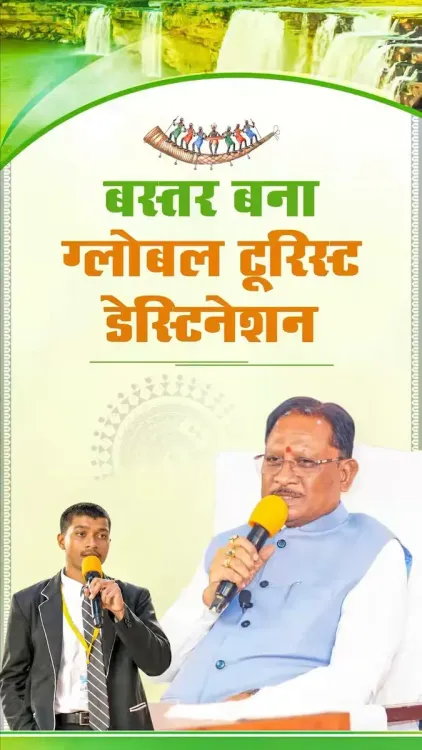
Chief Minister Vishnu Deo Sai responded to a question from Prayas school student Sameer Kerketta by outlining a vision for Bastar and Surguja as emerging hubs of tourism, development, and opportunity — linking tribal education outcomes to regional economic transformation.
Key Takeaways
Chief Minister Vishnu Deo Sai told Prayas Residential School student Sameer Kerketta that Bastar and Surguja will develop into tourism and opportunity hubs.
The exchange was shared by the Chief Minister's Office of Chhattisgarh on 6 August 2026 .
Prayas Residential Schools provide free education and competitive-exam coaching to meritorious students from weaker sections in Chhattisgarh.
The post carried #NEET2026 and #ViksitChhattisgarh , linking student aspirations to the state's broader development agenda.
The Sai government , in office since December 2023 , has prioritised tourism circuits and infrastructure in both Bastar and Surguja divisions.
Both regions have large tribal populations and a history of Left-Wing Extremism that suppressed earlier development efforts.
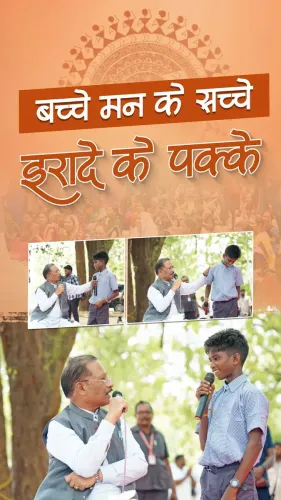
A student's question opened a window into Chhattisgarh's ambitions. When Sameer Kerketta, a bright student from a Prayas Residential School, asked Chief Minister Vishnu Deo Sai about the future of his home region, the Chief Minister's answer sketched a transformation — one where Bastar and Surguja, long defined by their remoteness and past conflict, emerge as destinations for tourism, development, and opportunity.
The Chief Minister's Office of Chhattisgarh shared the exchange on 6 August 2026, quoting CM Sai's assurance that these two regions would build a 'new identity' rooted in tourism and economic possibility. The post tagged both Surguja District and Bastar District handles and carried hashtags including #ViksitChhattisgarh and #NEET2026 — a deliberate pairing that links a student's competitive aspirations with the state's broader development pitch.
What Prayas Schools Represent in Chhattisgarh's Tribal Belt
Prayas Residential Schools are not ordinary institutions. Set up by the Chhattisgarh government to provide free, high-quality education and competitive-exam coaching to meritorious students from economically weaker sections, they are the state's most direct investment in tribal youth mobility. A student from Prayas asking a Chief Minister about regional futures is itself a signal — these schools are producing young people who think beyond survival and toward aspiration. Sameer Kerketta's question, and the platform it received, fits a pattern the current administration has cultivated: making visible the link between educational investment and economic opportunity in districts that spent years in the shadow of Left-Wing Extremism.Bastar and Surguja: From Conflict Zones to Tourism Circuits
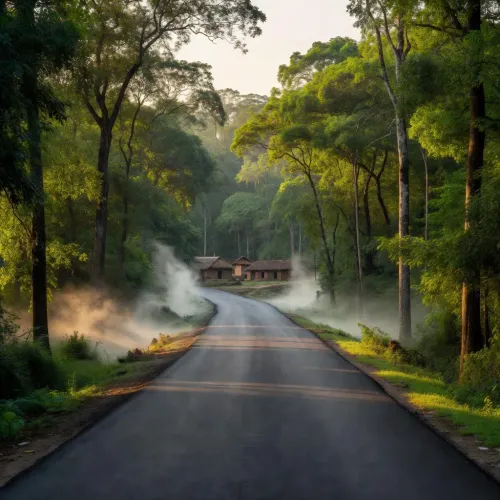
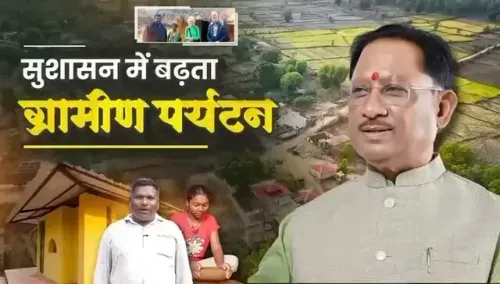
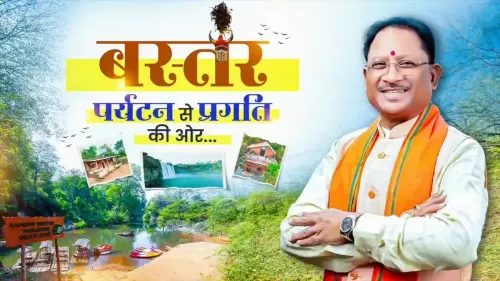
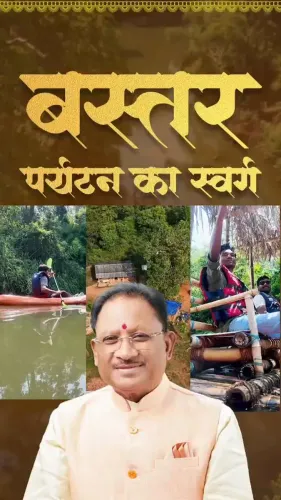
Bastar, in southern Chhattisgarh, is home to dense forests, dramatic waterfalls, and one of India's largest tribal populations. For decades, Naxal activity suppressed its tourism potential. Surguja, in the north, sits atop mineral and forest wealth with similarly significant tribal communities. Both divisions have been focal points of the state's post-2023 development push, with policy documents under the Sai government — which took office in December 2023 — reiterating investment in tourism circuits, road connectivity, and social infrastructure across these regions. Successive Chhattisgarh governments have pursued a development-plus-security approach in former LWE-affected districts. The current administration is continuing that arc, but with a sharper emphasis on linking visible economic outcomes — jobs in hospitality, tourism infrastructure, services — to the aspirations of students coming out of residential schools.The NEET Hashtag and What It Signals
The inclusion of #NEET2026 alongside tourism and governance hashtags is not accidental. It positions tribal students from Bastar and Surguja not just as beneficiaries of welfare, but as future professionals — doctors, engineers — who will have reason to return to, and invest in, a transformed home region. It is a narrative of circularity: education lifts the student, development lifts the region, and both reinforce each other. The real test will come in the rollout of new tourism projects and hospitality training programmes in these divisions, and in how many Prayas students convert coaching into competitive-exam results in 2026. For now, CM Sai has set the expectation — and a student's simple question has become the state's development story in miniature.Point of View
A reframing the BJP government in Chhattisgarh has been building since December 2023. The broader pattern — development-plus-security in former LWE districts — is not new, but the emphasis on youth mobility and competitive examinations adds a layer that previous administrations did not foreground as visibly. Whether the tourism and hospitality infrastructure materialises at the pace the rhetoric implies will determine if this vision outlasts the hashtag.
NationPress
6 Aug 2026
Frequently Asked Questions
What did CM Vishnu Deo Sai say about Bastar and Surguja?
CM Vishnu Deo Sai said that Bastar and Surguja will build a new identity as hubs of tourism, development, and opportunity, responding to a question from Prayas school student Sameer Kerketta.
What is Prayas Residential School in Chhattisgarh?
Prayas Residential Schools are government-run institutions in Chhattisgarh that provide free education and coaching for competitive examinations to meritorious students from economically weaker and tribal communities.
Who is Vishnu Deo Sai?
Vishnu Deo Sai is a BJP leader who has served as the Chief Minister of Chhattisgarh since December 2023.
Why is Bastar important for Chhattisgarh tourism?
Bastar in southern Chhattisgarh has dense forests, waterfalls, and rich tribal culture, giving it significant tourism potential that past Naxal activity had suppressed for decades.
What is Viksit Chhattisgarh?
Viksit Chhattisgarh is a development vision promoted by the current Chhattisgarh government, emphasising infrastructure, tourism, education, and economic growth across the state, including in tribal-dominated regions.