Goa CM Sawant Engages Panchayat Leaders at Sankhali Sammelan
Synopsis
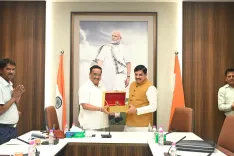
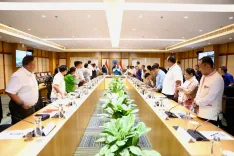
Chief Minister Dr. Pramod Sawant convened a District-Level Panch Sammelan at Ravindra Bhavan, Sankhali on 6 August 2026, engaging panchayat leaders on the Viksit Bharat - Guarantee for Rozgar and Ajeevika Mission (Gramin) Act to strengthen last-mile rural livelihood delivery in Goa.
Key Takeaways
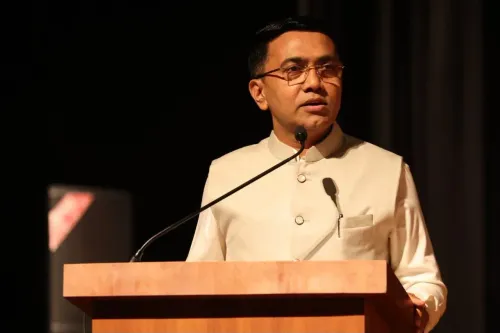
Pramod Sawant personally addressed elected representatives and panchayat functionaries at Ravindra Bhavan, Sankhali on 6 August 2026 .
The event was a District-Level Panch Sammelan held under the Viksit Bharat - Guarantee for Rozgar and Ajeevika Mission (Gramin) Act .
The mission is part of the central government's Viksit Bharat framework targeting developed-nation status by 2047 .
Panchayat functionaries — the last-mile administrators of rural welfare — were the primary audience, signalling a focus on scheme delivery accountability.
The engagement follows a pattern of BJP-governed states using direct CM-panchayat interactions to align grassroots implementation with central rural employment guarantees.
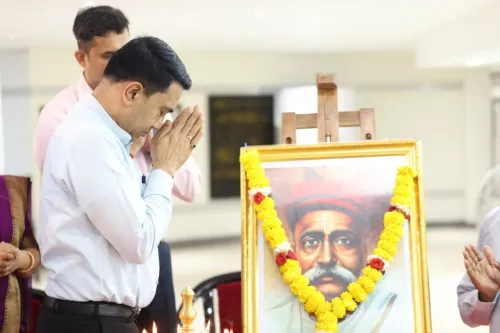
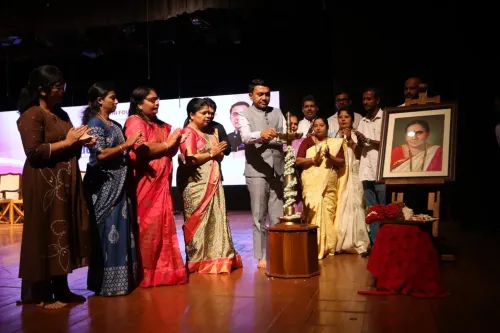
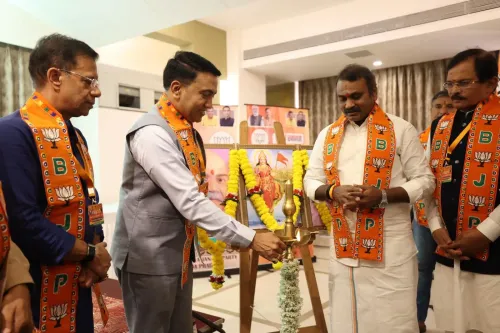
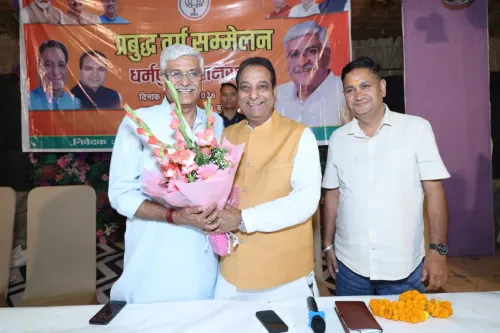
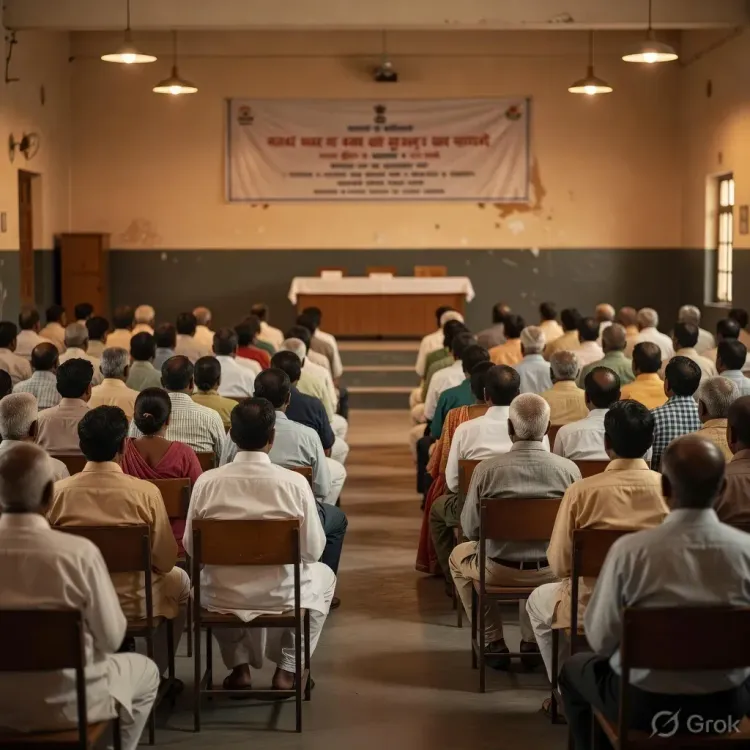
Grassroots governance took centre stage in Sankhali, North Goa on Thursday, 6 August 2026, as Chief Minister Dr. Pramod Sawant sat down with elected representatives and panchayat functionaries at a District-Level Panch Sammelan — a direct, face-to-face push to drive the Viksit Bharat - Guarantee for Rozgar and Ajeevika Mission (Gramin) all the way down to the village level. The venue was Ravindra Bhavan, Sankhali, and the message was unambiguous: rural livelihoods are a priority, not a footnote.
Sawant at Sankhali: What the Sammelan Was About
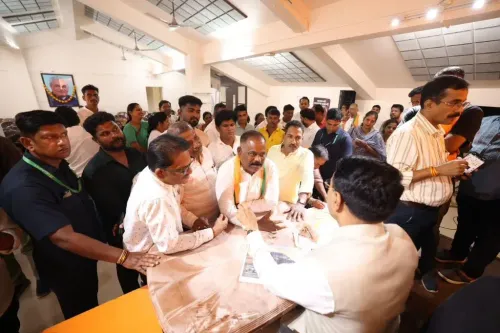
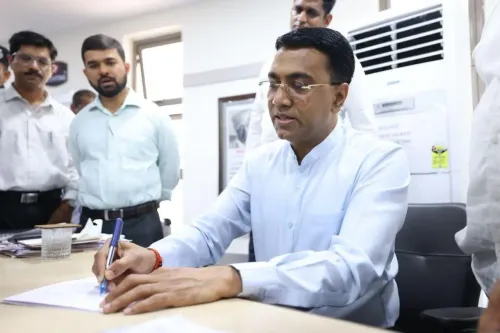
The Chief Minister's Office of Goa confirmed that Dr. Sawant interacted directly with panchayat-level elected representatives and functionaries — the people who actually deliver welfare on the ground — under the framework of the Viksit Bharat - Guarantee for Rozgar and Ajeevika Mission (Gramin) Act. District-level sammelans of this kind are specifically designed to close the gap between central scheme design and village-level implementation, putting a sitting Chief Minister in the same room as gram panchayat leaders to align priorities and iron out delivery gaps.
The Viksit Bharat Mission and Its Rural Employment Roots
The Viksit Bharat vision — India's central government framework for achieving developed-nation status by 2047 — has progressively extended into rural employment and livelihood guarantees, building on the architecture established by the Mahatma Gandhi National Rural Employment Guarantee Act (MGNREGA) of 2005. The Viksit Bharat Sankalp Yatra of 2023 had already pushed scheme saturation through direct outreach to gram panchayats; the current mission deepens that approach by attaching a legislative guarantee to rural rozgar and ajeevika outcomes.
Goa's engagement follows a pattern visible across BJP-governed states, where Chief Ministers have taken a hands-on role in briefing local body representatives on scheme delivery — a model that positions the party's grassroots network as the primary implementation channel for central welfare architecture.
Why Panchayat Functionaries Are the Pivotal Link
Panchayat-level elected representatives and functionaries are not passive recipients of policy — they are the last-mile administrators who enrol beneficiaries, verify eligibility, and disburse entitlements. When a Chief Minister convenes a sammelan specifically for this cohort, it signals that the state is treating scheme delivery as a performance accountability exercise, not a paperwork formality. North Goa's Sankhali, as the host district, becomes an early test case for how the mission's provisions translate into Goa's specific rural context.
The next indicator to watch: whether further district-level rollout meetings are scheduled across Goa's remaining talukas, and whether the state issues specific implementation guidelines tailored to its smaller, coastal rural economy.
Point of View
These events serve a dual purpose: reinforcing the Viksit Bharat brand at the grassroots while creating a visible chain of political ownership over livelihood outcomes ahead of electoral cycles. Goa's small size and relatively urbanised economy make its rural panchayat engagement a sharper test of mission intent than in larger agrarian states. Whether the sammelan translates into measurable enrolment or disbursement gains will be the real metric to track.
NationPress
6 Aug 2026
Frequently Asked Questions
What is the Viksit Bharat Rozgar and Ajeevika Mission (Gramin)?
It is a central government initiative under the broader Viksit Bharat vision aimed at guaranteeing rural employment and livelihood support, building on the foundational framework of MGNREGA 2005. The precise provisions of the specific Act named in the Goa event are subject to official government notification.
What happened at the Panch Sammelan in Sankhali on 6 August 2026?
Goa Chief Minister Dr. Pramod Sawant interacted with elected panchayat representatives and functionaries at Ravindra Bhavan, Sankhali, at a District-Level Panch Sammelan focused on the Viksit Bharat - Guarantee for Rozgar and Ajeevika Mission (Gramin) Act.
Who is Dr. Pramod Sawant?
Dr. Pramod Sawant is the Chief Minister of Goa, in office since 2019, representing the BJP and leading the state's administration and development programmes.
What is Ravindra Bhavan, Sankhali?
Ravindra Bhavan in Sankhali is a government venue in North Goa regularly used for official conferences, public interactions, and state-level meetings.
Why does the government hold district-level panchayat sammelans?
These sammelans bring state leadership and grassroots panchayat functionaries together to align on scheme delivery, address implementation gaps, and ensure central welfare programmes reach intended rural beneficiaries at the village level.