CM Sukhu Meets Locals After Cabinet, Orders Dept Action
Synopsis
Himachal Pradesh Chief Minister Sukhvinder Singh Sukhu met local residents after a cabinet session on 20 July 2026, listened to their problems, and issued on-the-spot directives to concerned department officials — continuing his administration's practice of combining formal governance with direct public engagement.
Key Takeaways
CM Sukhvinder Singh Sukhu held a public grievance session on 20 July 2026 immediately after a cabinet meeting in Himachal Pradesh .
The Chief Minister personally listened to local residents' problems and issued necessary instructions to officials of the concerned departments for resolution.
Sukhu described the interactions as a source of inspiration for 'sensitive decision-making' and giving 'new direction to public-interest work.' The practice of combining cabinet meetings with direct public hearings has been a consistent feature of the Sukhu government since December 2022 .
Departmental officials received on-the-spot directives, creating a direct accountability link between the state government and citizens.
Follow-up action by concerned departments and any subsequent cabinet announcements will be key indicators of outcomes from this interaction.
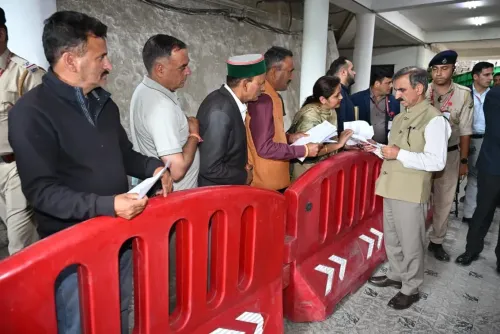
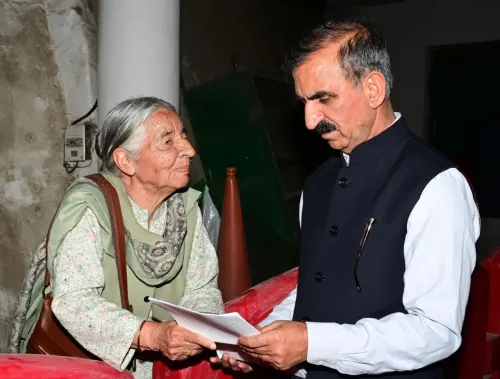
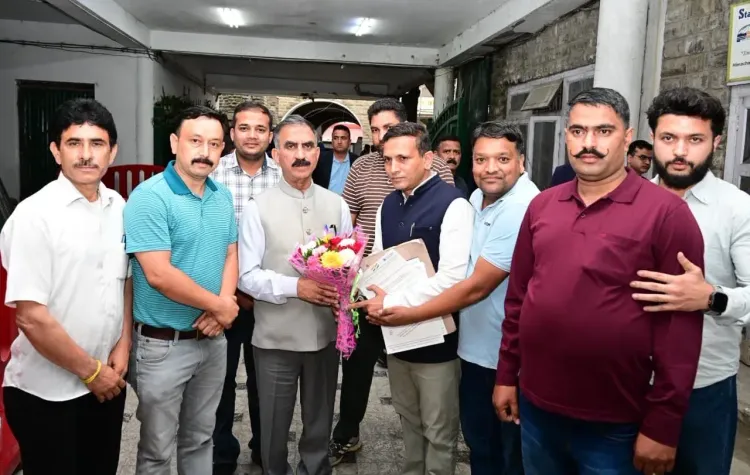
Himachal Pradesh Chief Minister Sukhvinder Singh Sukhu on Monday, 20 July 2026, met with local residents following a cabinet meeting and listened to their grievances, issuing on-the-spot directives to officials of the concerned departments to ensure resolution. The interaction, shared by the Chief Minister on social media, underscores his administration's practice of combining formal governance with direct public engagement.
Context
In his post, CM Sukhu wrote — 'आज कैबिनेट बैठक के बाद स्थानीय लोगों से मिलकर उनकी समस्याएं सुनीं और समाधान हेतु संबंधित विभागों के अधिकारियों को आवश्यक निर्देश दिए' — translated: 'Today, after the cabinet meeting, I met local people, listened to their problems, and gave necessary instructions to the officials of the concerned departments for their resolution.' He further noted that this continuous dialogue with the public inspires 'sensitive decision-making' and gives 'new direction to public-interest work.'
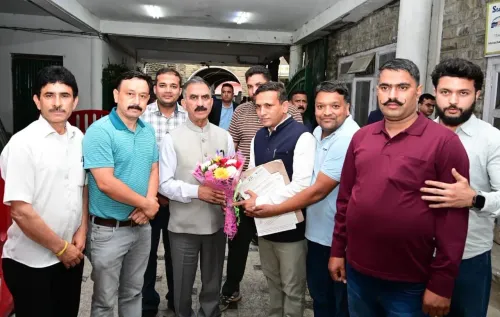
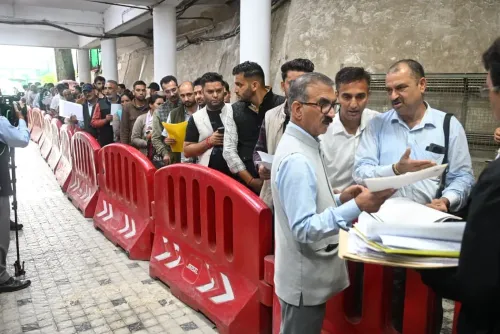
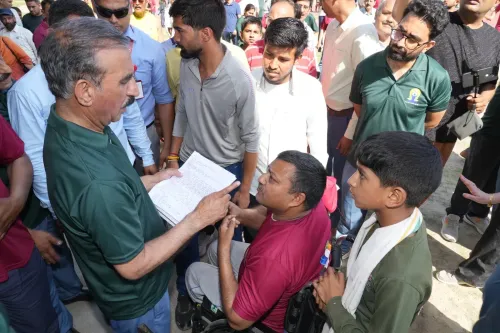
The session included photographs of the Chief Minister engaging with residents, reflecting a hands-on approach to constituency outreach that has been a hallmark of his tenure since December 2022.
Policy Backdrop
Since assuming office after the 2022 Himachal Pradesh assembly elections, the Sukhu government has institutionalised the practice of holding public grievance hearings in the immediate aftermath of cabinet sittings. This model — cabinet deliberation followed by direct public access — is intended to ensure that administrative decisions remain grounded in the lived realities of ordinary citizens.
Across India, chief ministers from multiple parties have long combined formal executive proceedings with open public hearings. In Himachal Pradesh, the practice allows the CM to issue real-time directives to departmental officers, creating a visible accountability loop between the state government and its constituents.
Stakeholders and Impact
The primary beneficiaries of such interactions are local residents of Himachal Pradesh who bring forward issues spanning infrastructure, land records, welfare entitlements, and public services. By directing relevant department officials on the spot, the Chief Minister short-circuits the often lengthy bureaucratic redressal process.
For state officials, these sessions translate into direct, time-bound instructions from the highest executive authority in the state, raising the urgency of follow-through on pending grievances. Civil society observers note that the frequency and consistency of such interactions are key indicators of whether the model delivers tangible outcomes beyond optics.
What's Next
The directives issued to departmental officers on 20 July will be the immediate focus of follow-up, with affected residents and local representatives watching for concrete action in the days ahead. Any unresolved issues or patterns emerging from such public hearings could also surface as agenda items in subsequent Himachal Pradesh Cabinet meetings. The Chief Minister's continued emphasis on this format of governance signals that public grievance redressal will remain a visible pillar of his administration's outreach strategy.
Frequently Asked Questions
What did CM Sukhu do after the cabinet meeting on 20 July 2026?
After the cabinet meeting on 20 July 2026, CM Sukhvinder Singh Sukhu met with local residents, listened to their grievances, and issued directives to officials of the relevant departments to resolve their problems.
Why does CM Sukhu hold public meetings after cabinet sessions?
CM Sukhu has stated that continuous dialogue with the public inspires sensitive decision-making and gives new direction to public-interest work, making these sessions a regular part of his governance approach since December 2022.
How often does the Himachal Pradesh CM meet the public after cabinet meetings?
The Sukhu government has made it a regular practice to hold public grievance sessions following cabinet meetings, though the frequency of individual sessions is not fixed to a specific schedule.
What issues do local residents raise with CM Sukhu at these public interactions?
Residents typically raise issues related to infrastructure, welfare entitlements, land records, and public services, and the Chief Minister issues on-the-spot instructions to departmental officials for resolution.
Who is Sukhvinder Singh Sukhu?
Sukhvinder Singh Sukhu is the Chief Minister of Himachal Pradesh and an Indian National Congress leader who took office in December 2022 after the Congress party won the state assembly elections.