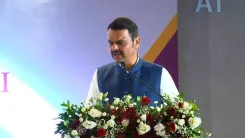
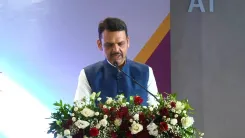
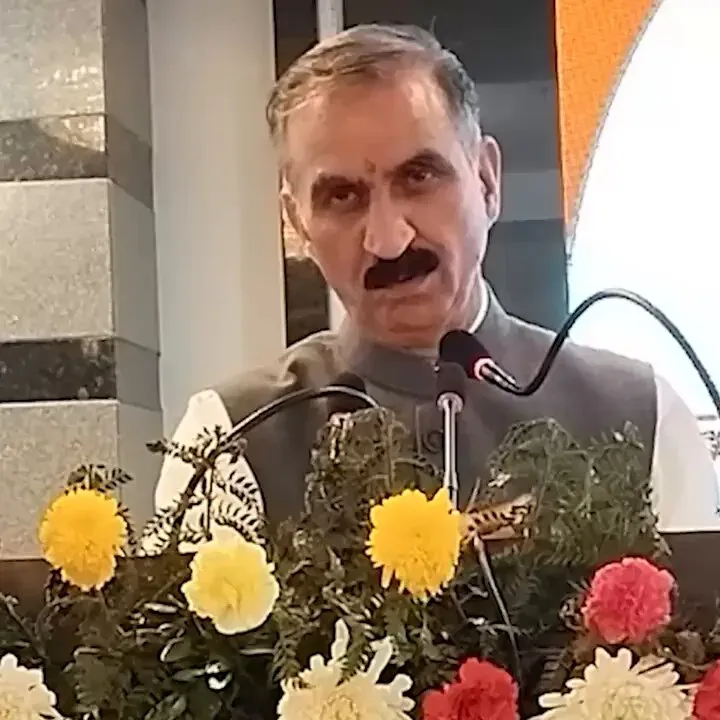
CM Sukhu pitches Himachal as India's richest state by 2032
Synopsis
Chief Minister Sukhvinder Singh Sukhu has unveiled a sweeping tourism and infrastructure pitch for Himachal Pradesh, citing its Shakti Peeths, snow cover rivalling Switzerland, airport expansion, Kangra's rise as tourism capital, and a bold 2032 goal to make the state India's wealthiest.
Key Takeaways
CM Sukhvinder Singh Sukhu publicly invited tourists to Himachal Pradesh on 16 October 2026 .
Himachal is home to five of India's 51 Shakti Peeths , making it a significant Hindu pilgrimage destination.
Sukhu described the state as the 'Lungs of Northern India' and the 'Water Bowl of Northern India' .
Kangra is being developed as the state's official tourism capital, alongside airport expansions.
The government is actively promoting health tourism as a growth sector.
Sukhu set a target for Himachal Pradesh to become India's most prosperous state by 2032 .
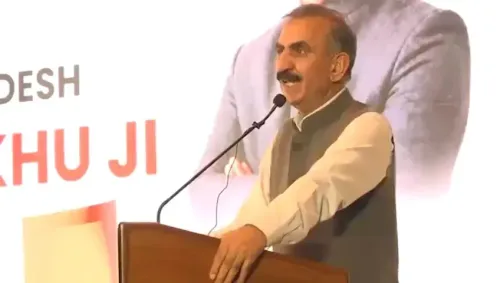
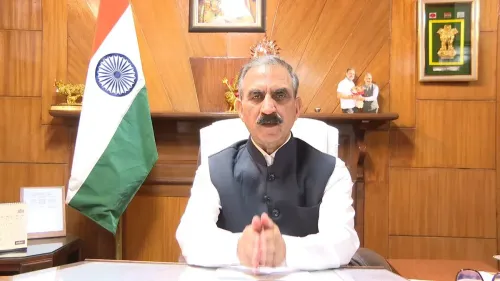
Snow cover that rivals Switzerland, five of India's sacred 51 Shakti Peeths, and an audacious promise: Himachal Pradesh Chief Minister Sukhvinder Singh Sukhu wants his state to be the wealthiest in the country by 2032 — and he is spelling out exactly how he plans to get there.
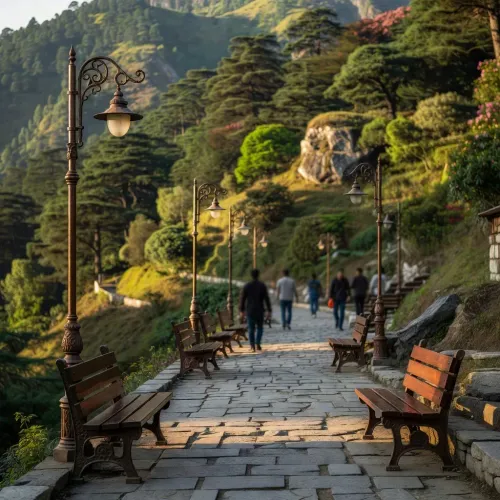
In a post on X on 16 October 2026, Sukhu issued a direct public invitation — 'Himachal aaiye aur sundar vadiyon ka anand lijiye' (come to Himachal and enjoy its beautiful valleys) — framing the state not just as a travel destination but as a development story in the making. The post touches tourism, religious pilgrimage, health infrastructure, and airport expansion in a single sweep, signalling that the government is bundling all these strands into one growth narrative.
Snow peaks, sacred sites, and the 'Lungs of the North'
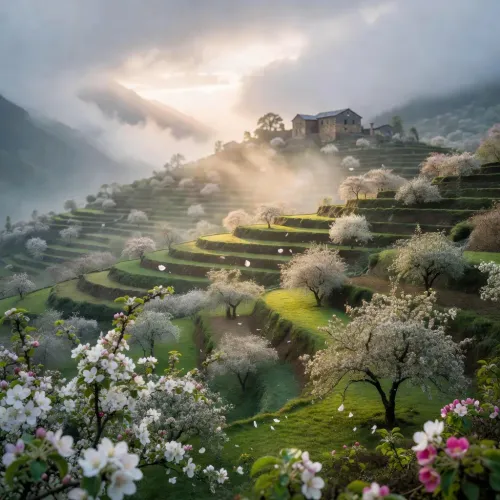
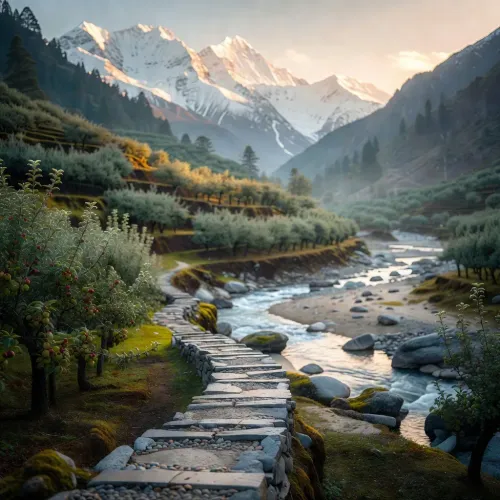
Sukhu's pitch leans hard on geography. He describes Himachal as the 'Lungs of Northern India' and the 'Water Bowl of Northern India' — a reference to the state's dense forests and glacier-fed rivers that sustain agriculture and drinking water across the Indo-Gangetic plains. He also claims that more of its terrain is snow-covered than Switzerland, a comparison designed to resonate with international travellers and domestic audiences who may not have considered the state a premium destination.
The religious angle is equally deliberate. Five of Hinduism's 51 Shakti Peeths — revered shrines linked to the goddess Shakti — are located within Himachal, making the state a natural draw for pilgrimage tourism, a segment that has surged across India in the post-pandemic era. States from Uttarakhand to Tamil Nadu have aggressively competed for this high-footfall, high-spend demographic; Sukhu is staking a visible claim.
Kangra as tourism capital, airports on the expansion track
The most concrete infrastructure signal in Sukhu's post is the planned designation of Kangra as the state's tourism capital. Airport modernisation efforts at Kangra, Kullu, and Shimla have a long legislative history — successive state governments have pursued expanded air links since the 2010s to ease the mountain state's notorious connectivity bottleneck. Sukhu's framing suggests those projects are now being prioritised and bundled into a broader tourism-capital vision for the Kangra district.
The Chief Minister also highlights a push on health tourism, a segment that blends Himachal's clean air, altitude, and Ayurvedic traditions into a product that competes with wellness destinations in Kerala and Uttarakhand. No specific scheme deadlines are mentioned in the post, and detailed timelines remain to be formally announced.
The 2032 promise: boldest claim on the board
The headline number Sukhu puts on the table is striking: Himachal Pradesh, he says, will be India's most prosperous and richest state by 2032. The state's economy currently rests on three pillars — tourism, hydropower, and horticulture — none of which alone positions it near the top of per-capita income rankings dominated by industrialised states. Whether the 2032 target refers to per-capita income, human development indices, or another metric is not specified in the post.
What the statement does accomplish politically is clear: it sets a benchmark against which Sukhu's government can be measured, and it reframes Himachal's mountain geography from a connectivity liability into a premium asset class — clean air, sacred peaks, snow, and rivers, all in one state.
The hills are being sold hard. Whether the infrastructure catches up with the pitch is the question that will define Sukhu's remaining tenure.
Point of View
While unverified in its metric, functions as a political contract, forcing future accountability on measurable outcomes rather than process milestones. The Kangra tourism-capital designation also reads as a regional equity signal in a state where geographic and political rivalries between valleys are perennial. Ultimately, Sukhu is attempting to redefine Himachal's mountain geography as a 21st-century economic advantage rather than a structural constraint — a pivot that, if backed by concrete airport and wellness infrastructure, could genuinely shift the state's growth trajectory.
NationPress
16 Oct 2026
Frequently Asked Questions
What is CM Sukhu's 2032 vision for Himachal Pradesh?
Chief Minister Sukhvinder Singh Sukhu has stated that Himachal Pradesh will become India's most prosperous and wealthiest state by 2032, anchored on tourism, health tourism, hydropower, and improved air connectivity.
Why is Kangra being called Himachal Pradesh's tourism capital?
The Sukhu government is developing Kangra as the state's official tourism capital, prioritising airport expansion and tourism infrastructure in the district to boost visitor numbers and regional economic growth.
Which Shakti Peeths are located in Himachal Pradesh?
Five of India's 51 Shakti Peeths — major Hindu pilgrimage shrines associated with the goddess Shakti — are situated in Himachal Pradesh, making the state an important religious tourism destination.
What is health tourism in Himachal Pradesh?
Health tourism in Himachal Pradesh refers to wellness and nature-based travel leveraging the state's clean mountain air, altitude, and traditional healing practices — a segment the Sukhu government is actively promoting through infrastructure investment.
How does Himachal Pradesh's snow cover compare to Switzerland?
CM Sukhu has claimed that Himachal Pradesh's snow-covered terrain exceeds that of Switzerland in area, using the comparison to highlight the state's premium potential as a snow and adventure tourism destination.