CM Sukhu Pushes Electric Buses, Youth Subsidies in HP
Synopsis
CM Sukhvinder Singh Sukhu announces 297 electric buses inducted into HRTC and outlines a 30–50% fleet electrification target, backed by tiered subsidies for youth entrepreneurs under the Rajiv Gandhi Startup Yojana.
Key Takeaways
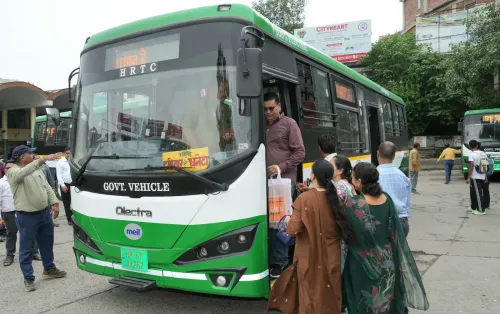
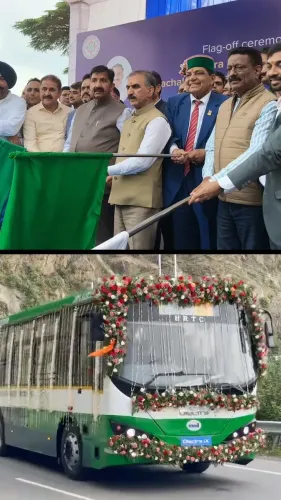
297 new electric buses have already been added to the HRTC fleet as part of a phased diesel-to-electric transition.
The state's target is to make 30 to 50 percent of the HRTC fleet electric, reducing both pollution and diesel consumption.
Under the Rajiv Gandhi Startup Yojana , youth entrepreneurs receive interest subsidies on loans for self-employment in solar energy and electric transport.
The subsidy rate is 50 percent for electric buses and 30 percent for diesel buses , incentivising cleaner vehicle choices.
The scheme targets youth in Himachal Pradesh , a hilly, tourism-dependent state where clean transport has outsized economic and environmental impact.
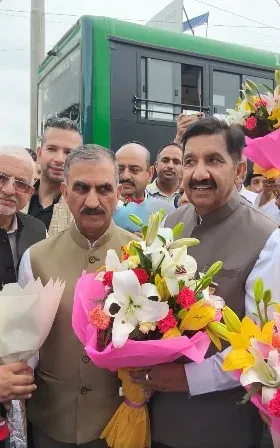
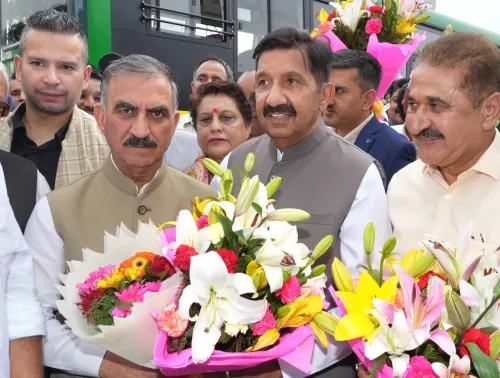
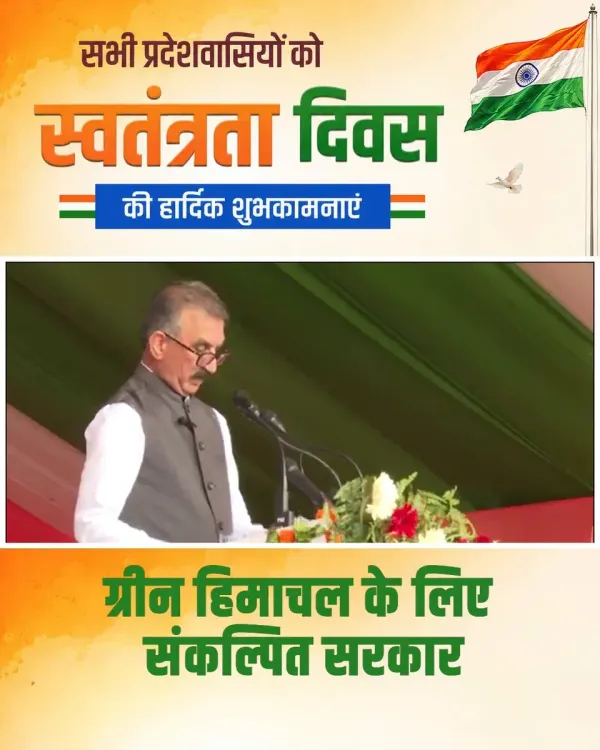
Himachal Pradesh Chief Minister Sukhvinder Singh Sukhu is betting on electric wheels and young entrepreneurs to reshape the state's transport future — and on 15 August 2026, he laid out exactly how far that bet has already gone.
Speaking through the Rajiv Gandhi Startup Yojana, the state government is channelling interest subsidies on loans to push youth self-employment in two sectors: solar energy and electric transport. The scheme is not a promise — it is an operational programme with money already moving.
297 Electric Buses and a 30–50% Fleet Target
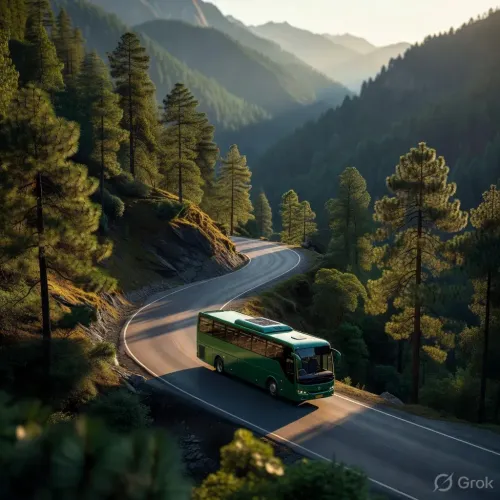
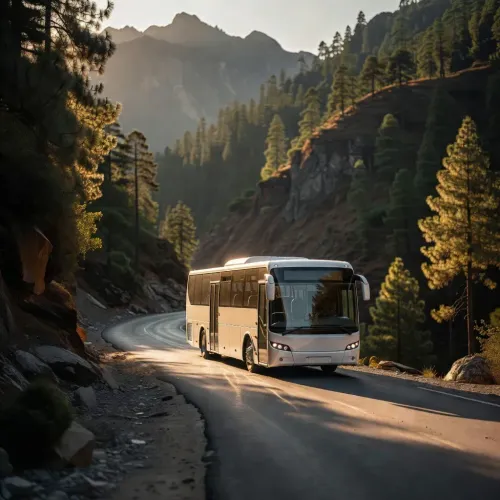
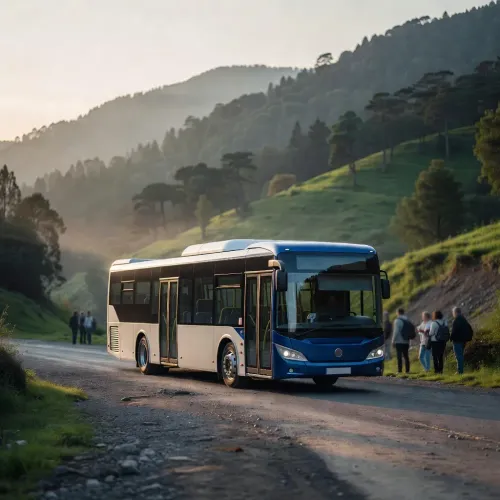
The Himachal Road Transport Corporation (HRTC) has already inducted 297 new electric buses into its fleet. The CM's stated goal is to bring electric vehicles to between 30 and 50 percent of the total HRTC fleet in a phased transition away from diesel. For a hilly, tourism-dependent state where diesel costs and exhaust emissions hit hard, that number is consequential.
The logic is direct: fewer diesel buses means lower fuel bills for a state exchequer under perennial fiscal pressure, and cleaner air for valleys that run on tourism. Sukhu framed both outcomes explicitly — 'prashasan mein sudhar aur pradushan mein kami' (improvement in governance and reduction in pollution) — as twin dividends of the same policy push.
50% Subsidy for Electric, 30% for Diesel — Youth as the Target Beneficiary
The subsidy structure is tiered by vehicle type. Young entrepreneurs taking up transport as a livelihood receive a 50 percent subsidy for electric buses and a 30 percent subsidy for diesel buses. The gap between the two rates is deliberate — it is a financial nudge, steering new operators toward cleaner vehicles without mandating it outright.
This mirrors a pattern playing out across several Indian states, which have paired state-level startup incentives with electric mobility targets to simultaneously address youth unemployment and fossil fuel dependence. Himachal's version integrates both levers into a single scheme, with HRTC's own fleet electrification providing a visible public anchor for the private uptake it hopes to catalyse.
FAME India's Shadow and What Comes Next
The national FAME India scheme — launched in 2015 to accelerate electric and hybrid vehicle adoption — laid the policy groundwork that state schemes like this one now build upon. Himachal's approach adds a self-employment dimension that purely fleet-focused central schemes do not, making youth entrepreneurs both beneficiaries and delivery agents of the green transition.
The real test will be uptake. How many young Himachalis actually access loans under the Rajiv Gandhi Startup Yojana, and how quickly does HRTC's electric share climb toward that 30–50 percent band? Those numbers will determine whether this Independence Day announcement marks a genuine inflection point or a milestone still in the making.
Point of View
Lower for diesel — is a soft-mandate approach that avoids coercion but still shapes market behaviour. For a state with a strained fiscal position, the long-term diesel savings from HRTC electrification also carry genuine balance-sheet logic, not just optics. Whether the Rajiv Gandhi Startup Yojana delivers at scale, or remains a well-designed scheme with thin uptake, will be the defining verdict on this policy arc.
NationPress
15 Aug 2026
Frequently Asked Questions
What is the Rajiv Gandhi Startup Yojana in Himachal Pradesh?
The Rajiv Gandhi Startup Yojana is a Himachal Pradesh government scheme that provides interest subsidies on loans to help young people start self-employment ventures in solar energy and electric transport sectors.
How many electric buses does HRTC have in 2026?
According to CM Sukhu's statement, HRTC has inducted 297 new electric buses into its fleet as part of a phased transition away from diesel vehicles.
What subsidy is available for youth buying electric buses in Himachal Pradesh?
Youth entrepreneurs in Himachal Pradesh can receive a 50 percent subsidy on electric buses and a 30 percent subsidy on diesel buses under the state's transport self-employment initiative.
What is Himachal Pradesh's electric bus target for HRTC?
The state government's goal is to bring electric vehicles to between 30 and 50 percent of the total HRTC fleet, reducing both air pollution and diesel consumption.
How does Himachal Pradesh's electric transport scheme help youth employment?
By offering interest subsidies on loans and purchase subsidies on buses, the Rajiv Gandhi Startup Yojana enables young people to enter the transport sector as self-employed operators, creating a stable income source.