CM Sukhu Reaffirms OPS for 1.36 Lakh HP Employees, Rules Out UPS
Synopsis
Himachal Pradesh CM Sukhvinder Singh Sukhu declared on 22 June 2026 that OPS will remain intact for state employees and UPS will not replace it, contrasting his government's record with the previous BJP administration's pension stance.
Key Takeaways
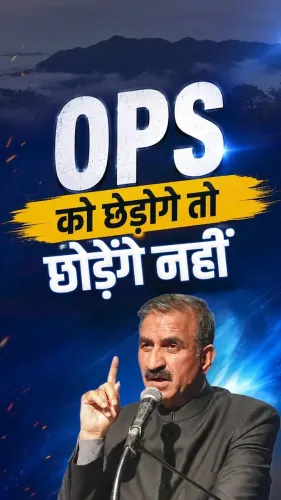
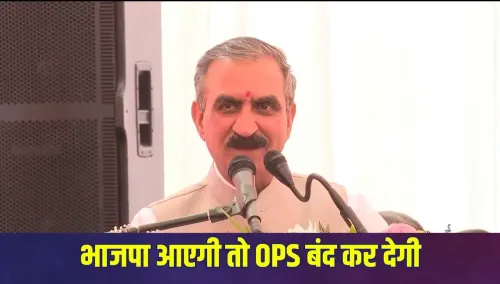
CM Sukhu reaffirmed on 22 June 2026 that the Old Pension Scheme (OPS) will not be replaced or rolled back in Himachal Pradesh .
The Congress government claims it restored OPS for 1.36 lakh state employees in its first cabinet meeting after taking office in December 2022 .
Sukhu explicitly ruled out adoption of the Centre's Unified Pension Scheme (UPS) , introduced in 2024 , for Himachal Pradesh state employees.
The post accused the previous BJP government of dismissing employee pension demands and using water cannons on workers who protested for their rights.
OPS restoration has been a recurring political commitment by Congress-led state governments across India, including in Rajasthan , Chhattisgarh , and Punjab .
Fiscal sustainability of OPS commitments remains a concern given Himachal Pradesh's existing high debt burden.
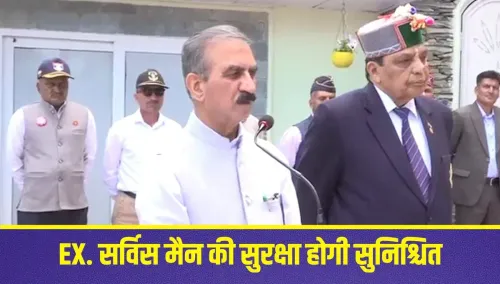
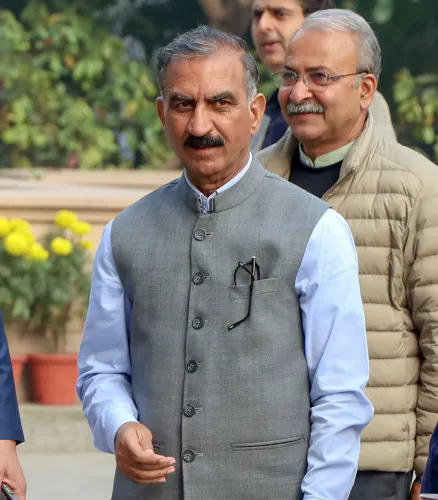
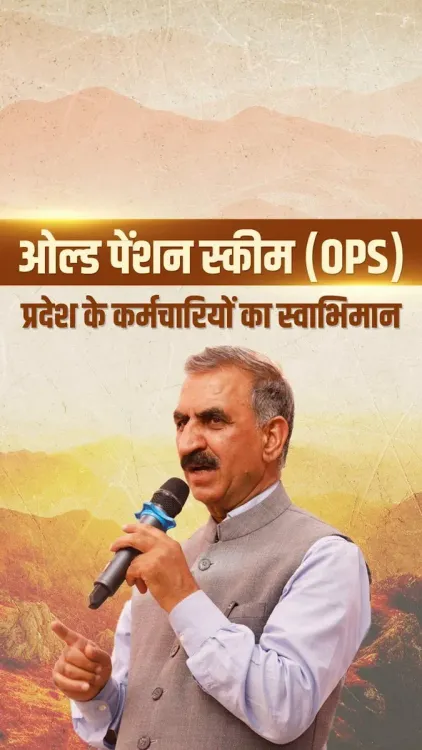
Himachal Pradesh Chief Minister Sukhvinder Singh Sukhu on Monday, 22 June 2026, reaffirmed his government's commitment to the Old Pension Scheme (OPS), stating that neither the Unified Pension Scheme (UPS) nor any rollback of OPS would be allowed in the state. The Chief Minister credited his government's first cabinet decision with restoring OPS for state employees and drew a sharp contrast with the previous Bharatiya Janata Party (BJP) administration's stance on the issue.
Context
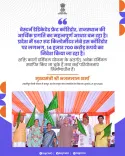
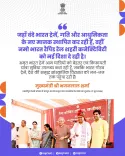
Posting in Hindi on X, CM Sukhu wrote: 'कर्मचारियों की वर्षों की निष्ठा और तपस्या का सम्मान करते हुए' ['Honouring the years of dedication and devotion of employees'], his government had restored OPS in its very first cabinet meeting, providing security in old age to 1.36 lakh employees. He added that his government remains 'fully committed to protecting the dignity and rights of employees.'
The post also carried a pointed attack on the previous BJP government, accusing it of telling employees seeking pension rights to 'contest elections if you want a pension' — and of using water cannons on workers who demanded their dues.
Policy Backdrop
The Old Pension Scheme was a defined-benefit system that guaranteed government employees a fixed post-retirement income. In 2004, the then-NDA government at the Centre replaced it with the National Pension System (NPS) for new recruits, a model most states including Himachal Pradesh subsequently adopted.
After winning the December 2022 assembly elections, the Congress government in Himachal Pradesh made OPS restoration its first cabinet decision in early 2023. The move was part of a broader trend: states including Rajasthan, Chhattisgarh, and Punjab had also reverted to OPS following opposition victories, reflecting the scheme's strong electoral resonance among public-sector workers.
The Central government responded to mounting pressure in 2024 by introducing the Unified Pension Scheme (UPS) — positioned as a middle path between OPS and NPS for central government employees. CM Sukhu's post is a direct public signal that Himachal Pradesh will not adopt UPS in place of the restored OPS.
Stakeholders and Impact
The primary beneficiaries are Himachal Pradesh's state government employees and pensioners, a constituency with significant political weight in a small hill state. OPS guarantees a defined post-retirement benefit, offering far greater income certainty than the market-linked NPS.
Critics of OPS restoration, however, point to long-term fiscal risks: defined-benefit pension liabilities can grow substantially over decades and strain state budgets. Himachal Pradesh, which already carries a high debt burden, will need to ensure adequate budget allocations to sustain OPS commitments as the employee base ages.
What's Next
The immediate question is whether Himachal Pradesh will issue a formal legislative or executive notification explicitly rejecting UPS applicability in the state. Analysts will watch the state's upcoming budget allocations for OPS funding as a measure of fiscal follow-through on the political commitment.
With several BJP-governed states continuing under NPS and the Centre backing UPS, the pension debate is set to remain a live fault line in Indian state politics — and CM Sukhu's post signals that Himachal Pradesh intends to hold its OPS position heading into future electoral cycles.
Point of View
He is reinforcing a Congress-versus-BJP narrative on worker welfare that has proven electorally effective in hill-state politics. The explicit rejection of UPS also signals Himachal Pradesh's intent to maintain distance from the Centre on labour welfare, even at potential fiscal cost. How the state manages OPS liabilities within its constrained budget will ultimately determine whether this commitment is sustainable or becomes a fiscal vulnerability.
NationPress
22 Jun 2026
Frequently Asked Questions
What is the Old Pension Scheme (OPS) and why does it matter for Himachal Pradesh employees?
The Old Pension Scheme is a defined-benefit retirement plan that guarantees government employees a fixed pension after retirement, unlike the market-linked National Pension System. It matters for Himachal Pradesh employees because the Congress government restored it in early 2023, reversing the NPS adopted by the previous BJP government, and CM Sukhu has now reaffirmed it will not be taken away.
Will the Unified Pension Scheme (UPS) be implemented in Himachal Pradesh?
No, according to CM Sukhu's statement on 22 June 2026. He explicitly declared that UPS will not replace OPS in Himachal Pradesh, positioning the state against the Central government's 2024 pension framework for central employees.
How many Himachal Pradesh employees benefit from OPS restoration?
CM Sukhu's post claims that 1.36 lakh state government employees have been covered under the restored Old Pension Scheme since the Congress government took office in December 2022.
What did CM Sukhu say about the previous BJP government and pensions?
Sukhu accused the previous BJP government of telling employees seeking pensions to 'contest elections if you want a pension,' and of using water cannons on workers who demanded their pension rights — allegations the BJP has not publicly responded to in this context.
Which other Indian states have restored the Old Pension Scheme?
Rajasthan, Chhattisgarh, and Punjab are among the states that reverted to OPS after opposition parties won state elections, making it a prominent policy position for Congress-led and other non-BJP governments in India.