CM Sukhu Returns Rs 30 Cr Medical Device Park Grant, Bets on Tourism

Synopsis
CM Sukhvinder Singh Sukhu has returned Rs 30 crore in central Medical Device Park funding, arguing the scheme would waste state assets. He is redirecting focus to tourism and hospitality to recover a Rs 4,000 crore revenue loss from post-GST VAT and excise shortfalls.
Key Takeaways
Rs 30 crore allocated by the Centre for a Medical Device Park has been returned by the Himachal Pradesh government.
CM Sukhvinder Singh Sukhu said the scheme would 'plunder the state's wealth' and does not suit Himachal's economic profile.
The state is prioritising the hospitality and tourism sector , leveraging the 9% state share of the 18% GST on hotel stays and services.
The government is seeking to plug a Rs 4,000 crore revenue gap caused by the loss of VAT and excise autonomy after the 2017 GST rollout .
Tourism expansion is being framed around Himachal Pradesh's culture and traditions , signalling a premium, identity-led destination strategy.
Formal state budget proposals for tourism incentives will be the key measure of whether the pivot translates into concrete policy.
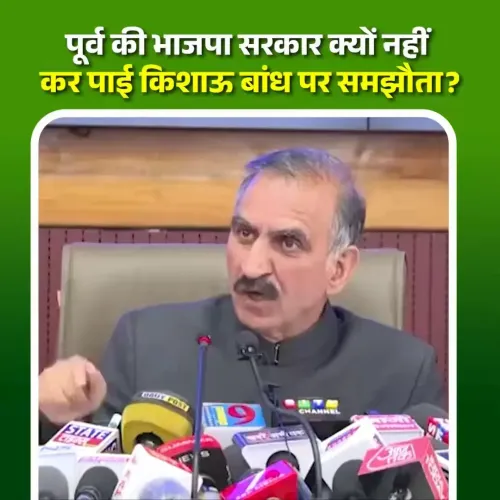
Himachal Pradesh Chief Minister Sukhvinder Singh Sukhu made a pointed fiscal choice on Monday, 16 November 2026 — handing back Rs 30 crore in central funding earmarked for a Medical Device Park, declaring that the scheme would amount to giving away the state's assets in exchange for little return. In its place, he is doubling down on what the hill state does best: hospitality and tourism.
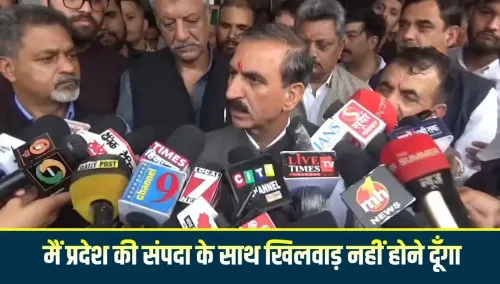
In a post on X, Sukhu said the government has 'returned the Rs 30 crore allocated for the Medical Device Park to the Government of India because we do not want to plunder the state's wealth in the name of a Medical Device Park.' The bluntness of the language is deliberate. This is not a quiet bureaucratic refusal — it is a public statement of an alternative economic vision.
Why Himachal Said No to Medical Device Manufacturing
The Medical Device Park scheme was approved by the Union Cabinet in 2020 under the Department of Pharmaceuticals, offering financial assistance to states willing to build dedicated manufacturing clusters. Several states took up the offer, betting on a manufacturing diversification play. Sukhu's government reviewed that calculus and arrived at a different answer: a high-altitude mountain economy with limited flat land, fragile ecology, and a strong tourism brand is not the natural home for a device-manufacturing industrial park.
The logic is not unique to Himachal. Hill states and island economies periodically return or decline central project allocations when the local cost — land, ecology, cultural disruption — outweighs the grant on offer. What is striking here is how publicly and emphatically the chief minister has framed the rejection.
Tourism as the Revenue Engine — and the GST Arithmetic
Sukhu's alternative is rooted in a specific piece of tax arithmetic. Hotels and tourism services attract 18% GST, split evenly: 9% to the Centre and 9% to the state. Every rupee a tourist spends on accommodation in Himachal Pradesh sends half of its tax directly to Shimla. Scale that across a state that draws millions of visitors annually and the numbers become material.
The urgency behind the push becomes clearer when Sukhu flags a Rs 4,000 crore revenue hole. The Goods and Services Tax rollout in July 2017 subsumed state-level VAT and excise duties — the two revenue streams that hill states had historically used to manage their finances. A central compensation mechanism covered the transition period, but that arrangement ended in 2022, leaving states like Himachal to find their own footing. The Rs 4,000 crore figure the chief minister cites is his government's estimate of the cumulative revenue impact from that VAT and excise loss — a gap that tourism GST collections are now expected to help fill.
Culture, Tradition, and the Hospitality Pitch
Sukhu tied the economic argument explicitly to identity, saying the push for hotels and tourism is shaped by 'Himachal Pradesh's culture and traditions.' That framing matters for investor and policy signalling: the state is not simply chasing any revenue source, but positioning itself as a premium, culturally-grounded destination — a distinction that commands higher per-visitor spending and protects the very assets that make tourism viable in the first place.
Hoteliers and the broader hospitality sector now have a clear signal from the top. The question is whether Shimla will back that signal with specific budget allocations, infrastructure investment, and regulatory easing for tourism ventures — the details the market will watch for in the next state budget cycle.
Returning Rs 30 crore is a symbolic act as much as a fiscal one. The real test is whether the tourism bet generates the kind of revenue that closes a Rs 4,000 crore gap. Himachal Pradesh has the mountains. Now it has to sell them smarter.
Point of View
000 crore revenue-gap framing is also a pointed reminder that the post-GST compensation cliff has left hill states structurally exposed, a grievance that resonates across state capitals of multiple parties. The tourism pivot is economically logical for a land-scarce, scenery-rich state, but its success depends entirely on execution — infrastructure, ease of doing business, and marketing — none of which a press post can guarantee. Watchers should read the next Himachal budget for real signal on whether this rhetoric hardens into rupees.
NationPress
16 Nov 2026
Frequently Asked Questions
Why did Himachal Pradesh return the Medical Device Park funds?
CM Sukhu stated that the government returned the Rs 30 crore central grant because it did not want to 'plunder the state's wealth' on a scheme he deemed unsuitable for Himachal Pradesh's economy, preferring instead to invest in hospitality and tourism.
What is the Medical Device Park scheme in India?
The Medical Device Park scheme was approved by the Union Cabinet in 2020 under the Department of Pharmaceuticals to provide financial assistance to states for setting up dedicated medical device manufacturing clusters.
How does tourism GST benefit Himachal Pradesh?
Hotel stays and tourism services attract 18% GST , of which 9% goes directly to the state government. Expanding tourism volumes therefore directly boosts Himachal Pradesh's own tax revenue.
What is the Rs 4,000 crore revenue loss CM Sukhu mentioned?
Sukhu's government estimates a Rs 4,000 crore revenue shortfall caused by the loss of state-level VAT and excise duty collections after the nationwide GST rollout in July 2017 subsumed those taxes, with the central compensation mechanism having ended in 2022.
What is Himachal Pradesh's economic strategy under Sukhu?
The Sukhu government is focusing on growing the hospitality and tourism sector — leveraging the state's culture, traditions, and natural landscape — as the primary vehicle for revenue growth, moving away from industrial manufacturing schemes.