CM Sukhu Targets Heliport Network Across Himachal by 2026
Synopsis
CM Sukhvinder Singh Sukhu announced at the TiE Leadership Conclave that five Himachal Pradesh districts will get heliport access within four months, improving Chandigarh-Shimla and Chandigarh-Palampur links, as part of a wider plan to make the state India's most prosperous by 2032.
Key Takeaways
Five districts in Himachal Pradesh will be connected to the heliport network within the next four months , according to CM Sukhu.
The expansion will specifically improve aerial connectivity between Chandigarh and Shimla , and between Chandigarh and Palampur .
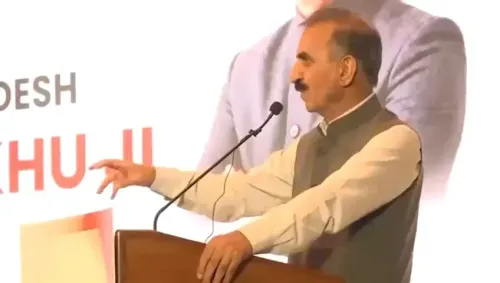
CM Sukhu made the announcement at the TiE Leadership Conclave on 18 July 2026 .
The state's long-term goal is to connect all districts of Himachal Pradesh through a heliport network.
The initiative aligns with the central government's UDAN regional connectivity scheme launched in 2016, which includes provisions for heliports in hilly states.
CM Sukhu set a vision of Himachal Pradesh becoming India's most prosperous state by 2032 .
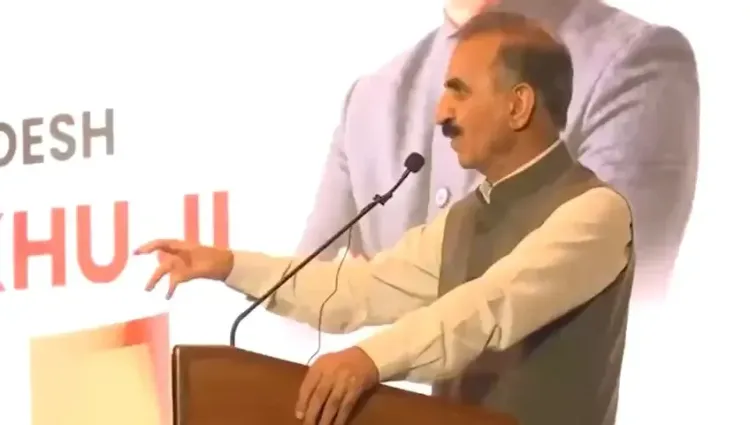
Himachal Pradesh Chief Minister Sukhvinder Singh Sukhu announced on Saturday, 18 July 2026, that the state government is accelerating efforts to connect all districts through a heliport network, with five districts set to gain heliport access within the next four months. Speaking from the TiE Leadership Conclave platform, he declared that Himachal Pradesh will become the country's most prosperous state by 2032.
Context
In his post on X, CM Sukhu stated — 'हम हिमाचल प्रदेश के सभी जिलों को हेलीपोर्ट नेटवर्क से जोड़ने की दिशा में तेजी से काम कर रहे हैं' ('We are working rapidly to connect all districts of Himachal Pradesh through a heliport network'). He specifically highlighted improved connectivity between Chandigarh and Shimla, and between Chandigarh and Palampur, as immediate beneficiaries of the expansion. The Chief Minister framed the initiative around three pillars: better connectivity, stronger infrastructure, and balanced development.
The announcement came from the TiE Leadership Conclave, a platform organised by The Indus Entrepreneurs network that brings together business leaders and policymakers. Addressing an entrepreneurial audience, Sukhu positioned the heliport push as a signal of the state's economic ambition, asserting that improved air access will make travel 'more convenient and comfortable' for residents and visitors alike.
Policy Backdrop
Heliport development in Himachal Pradesh is not new. Earlier facilities were commissioned at locations including Kullu and Shimla under previous administrations, and the state has pursued phased expansion since the 2010s. At the national level, the central government's UDAN regional connectivity scheme, launched in 2016, included specific provisions for heliports and small airports in hilly states, giving Himachal Pradesh a policy and funding framework to draw on.
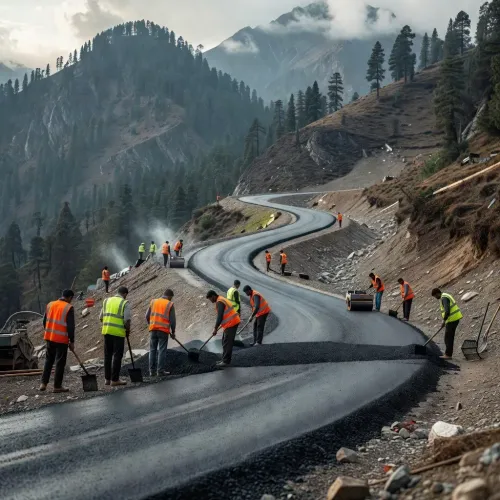
The mountainous terrain of the state makes road travel time-consuming and weather-dependent, making aerial connectivity a practical necessity rather than a luxury. Indian states with difficult topography — including Uttarakhand and states in the northeast — have similarly prioritised heliport and small-aircraft networks to reduce travel times and integrate remote areas with plains regions economically.
Stakeholders and Impact
The most direct beneficiaries of expanded heliport access are residents of remote districts who currently depend on winding mountain roads for inter-district travel. For the tourism industry — a central pillar of Himachal Pradesh's economy — faster aerial links between Chandigarh (the primary gateway from the plains) and destinations such as Shimla and Palampur could meaningfully shorten travel times and attract higher-spending visitors.
Business travellers and the entrepreneurial community, the very audience CM Sukhu addressed at the TiE Leadership Conclave, stand to gain from reduced transit friction when accessing hill districts for investment or operations. Improved connectivity also supports faster emergency medical response and disaster relief logistics in a state prone to landslides and flash floods.
What's Next
The immediate benchmark is the operational commissioning of five new heliports within the stated four-month window, which would bring them online by approximately November 2026. The specific districts scheduled for these facilities were not named in the post, and the state government is expected to release a district-wise rollout plan as work progresses.
The broader target — making Himachal Pradesh the country's most prosperous state by 2032 — sets a six-year horizon against which infrastructure milestones like the heliport network will be measured. Integration of aerial connectivity with existing road and rail projects, as well as subsequent passenger and cargo data from newly commissioned heliports, will be key indicators of whether the programme is delivering on its stated goals.
Point of View
Near-term deliverable — five heliports in four months — to a long-horizon political promise, a structure common in Indian state policy discourse. The choice of Chandigarh-Shimla and Chandigarh-Palampur corridors is strategically sound, as both routes serve the state's administrative and tourism cores. Whether the four-month commissioning timeline holds will be the first real test of execution credibility for this infrastructure agenda.
NationPress
19 Jul 2026
Frequently Asked Questions
Which districts in Himachal Pradesh will get heliports in the next four months?
CM Sukhu's announcement did not specify the names of the five districts scheduled to receive heliport facilities within four months. The state government is expected to release district-level details as the programme progresses.
What is the UDAN scheme and how does it help Himachal Pradesh?
The UDAN (Ude Desh ka Aam Nagrik) regional connectivity scheme was launched by the central government in 2016 to improve air connectivity in underserved regions. It includes provisions for heliports and small airports in hilly states like Himachal Pradesh, providing a policy and funding framework for the state's heliport expansion.
How will the heliport network benefit Himachal Pradesh tourism?
Heliports linking Chandigarh to Shimla and Palampur will significantly cut travel times for tourists who currently rely on winding mountain roads. Faster and more reliable aerial access is expected to attract higher-spending visitors and ease pressure on road infrastructure.
What is CM Sukhu's 2032 vision for Himachal Pradesh?
CM Sukhu has stated a goal of making Himachal Pradesh India's most prosperous state by 2032, anchoring this vision on three pillars: better connectivity, stronger infrastructure, and balanced regional development. Specific metrics or baselines for this target have not been publicly detailed.
What is the TiE Leadership Conclave where CM Sukhu spoke?
The TiE Leadership Conclave is a platform organised by The Indus Entrepreneurs (TiE) network, which convenes business leaders, investors, and policymakers for discussions on leadership and economic development. CM Sukhu addressed the conclave on 18 July 2026 to outline Himachal Pradesh's infrastructure and investment ambitions.