CM Sukhu to Cut IAS, IFS, IPS Posts, Eyes ₹200 Cr Savings
Synopsis
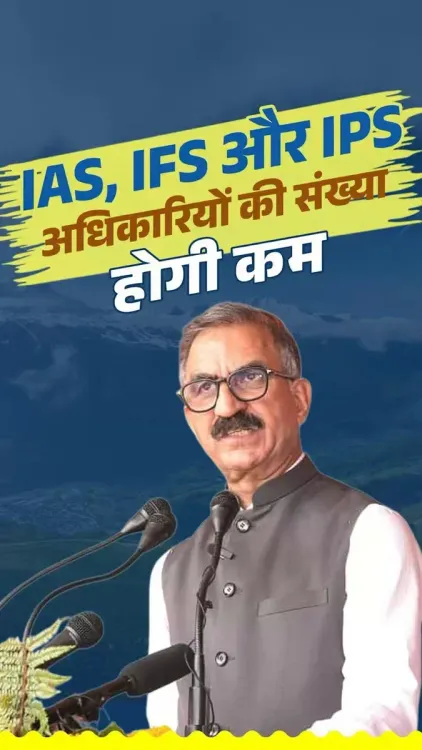
Himachal Pradesh CM Sukhvinder Singh Sukhu announced a reduction in IAS, IFS, and IPS posts, projecting savings of ₹200 crore to be redirected toward public welfare, and said surplus officers will be permitted to move to Delhi.
Key Takeaways
CM Sukhvinder Singh Sukhu announced plans to reduce the number of IAS, IFS, and IPS posts in Himachal Pradesh .
The government projects savings of approximately ₹200 crore , to be redirected toward public welfare programmes.
Officers with insufficient workloads will be permitted to seek postings in Delhi , avoiding forced retrenchment.
The move targets administrative bloat in a fiscally constrained hill state heavily reliant on central transfers.
Formal government orders and cadre review notifications are yet to be issued and will determine whether the announcement translates into action.
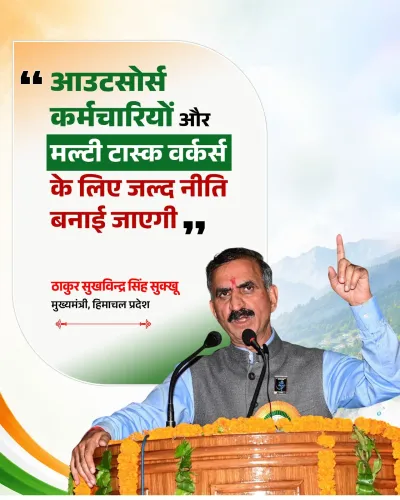
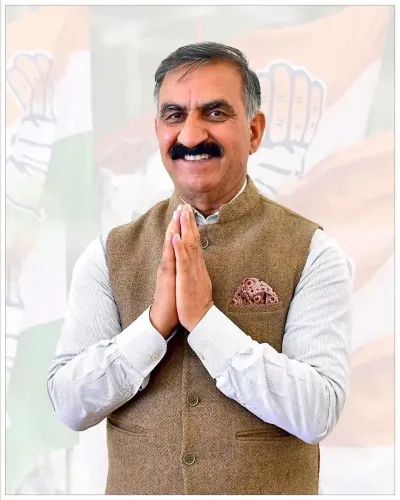
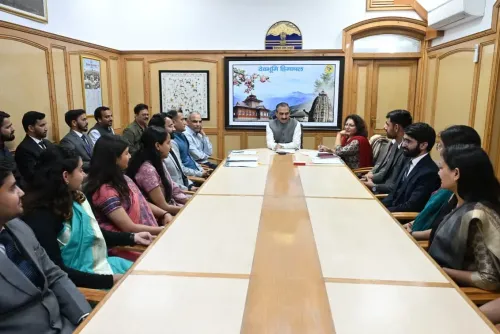
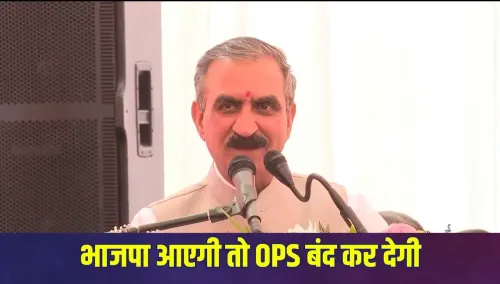
Himachal Pradesh Chief Minister Sukhvinder Singh Sukhu has announced a sweeping bureaucratic restructuring — reducing the number of IAS, IFS, and IPS posts in the state, arguing that a leaner administration will free up roughly ₹200 crore annually for public welfare. The announcement, made on Wednesday, 19 August 2026, marks one of the most direct challenges to the entrenched All India Services cadre structure any hill-state government has mounted in recent memory.
In his post, CM Sukhu stated plainly: 'We are going to reduce IAS, IFS, and IPS posts. We do not need a large army of officers. Only as many officers as are necessary for the effective implementation of schemes will be retained. This will save the state approximately ₹200 crore, and that money can be deployed in the service of the people.'
Officers Without Work — and the Delhi Option
The Chief Minister did not stop at cuts. He acknowledged a parallel problem: officers with insufficient workloads whose talent is going to waste. His solution is pragmatic — grant those officers permission to move to Delhi, effectively deputing them to the Centre rather than keeping them on the state payroll in idle postings.
This dual move — trim the cadre, then release surplus officers upward — sidesteps a politically thorny alternative: forced retrenchment. It is a pressure valve, not a purge. But the signal is unmistakable: Himachal Pradesh under Sukhu is no longer willing to carry administrative weight it cannot justify.
Fiscal Logic Behind the Restructuring
Himachal Pradesh is a fiscally constrained hill state, heavily dependent on central transfers and with limited own-tax revenue. Salary and pension obligations for senior bureaucrats form a disproportionate share of its non-plan expenditure. Reducing sanctioned posts — even gradually — chips away at that structural burden.
Indian states have periodically reviewed All India Services cadre strength, but such reviews rarely result in actual post reductions; inertia and bureaucratic resistance typically blunt reform. If Sukhu's government follows through with formal government orders or cadre review notifications, it would represent a genuine departure from that pattern.
The ₹200 crore figure cited by the Chief Minister has not yet been corroborated by a state budget document or official cadre-review report — watch for those notifications as the real test of intent.
What the Congress Government Is Signalling
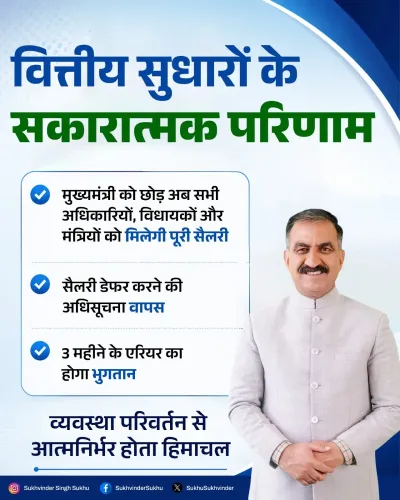
CM Sukhu, who took office in December 2022, has consistently framed his administration around fiscal discipline and welfare delivery. Cutting senior bureaucratic posts is a politically bold move — it invites resistance from a powerful constituency — but it also plays well with a public weary of administrative bloat. The message is deliberate: every rupee saved on an underutilised officer is a rupee that can reach a citizen.
The real test arrives when the government orders land. Until then, this is a declaration of intent — loud, specific, and politically loaded.
Point of View
His government is attempting to neutralise bureaucratic opposition — a politically shrewd move that avoids a direct confrontation while still shrinking the payroll. If backed by formal cadre-review orders, it could set a precedent for other fiscally stressed states watching Himachal Pradesh's Congress government closely. The ₹200 crore savings claim, however, remains unverified and will be the first number critics and the opposition test.
NationPress
19 Aug 2026
Frequently Asked Questions
Why is Himachal Pradesh reducing IAS, IFS, and IPS posts?
CM Sukhu says the state does not need a large cadre of officers and that retaining only those necessary for scheme implementation will save around ₹200 crore, which can be used for public welfare.
How much money will Himachal Pradesh save by cutting bureaucratic posts?
CM Sukhu has claimed savings of approximately ₹200 crore, though this figure has not yet been corroborated by an official budget document or cadre review notification.
What will happen to surplus IAS and IPS officers in Himachal Pradesh?
Officers who do not have adequate work in the state will be permitted to move to Delhi, effectively making them available for central deputation rather than sitting idle on the state payroll.
Is reducing All India Services posts common in Indian states?
Indian states periodically review cadre strength, but actual post reductions are rare due to bureaucratic resistance. Himachal Pradesh's move, if formalised, would be an unusual step among hill states.
When did Sukhvinder Singh Sukhu become Chief Minister of Himachal Pradesh?
Sukhvinder Singh Sukhu assumed office as Chief Minister of Himachal Pradesh in December 2022, leading a Congress-led government.