CM Conrad Sangma clears MLCU Amendment Bill 2026
Synopsis
The Meghalaya Cabinet under CM Conrad Sangma has approved the Martin Luther Christian University (Amendment) Bill, 2026, restricting MLCU's operations to Meghalaya, removing distance education provisions, and ending its power to affiliate colleges — bringing the university in line with UGC regulations for private universities.
Key Takeaways
The Meghalaya Cabinet approved the Martin Luther Christian University (Amendment) Bill, 2026 on 19 August 2026 .
The amendment restricts MLCU 's operations to within Meghalaya , in line with UGC norms barring private universities from operating across state borders.
The provision for distance education has been removed, as UGC regulations require separate approvals for private universities to offer it.
MLCU's power to affiliate colleges has been withdrawn — affiliation rights are not permitted for state private universities under UGC rules.
The bill must now be passed by the Meghalaya Legislative Assembly before it becomes law.
The move reflects a broader national pattern of states amending private university acts to resolve regulatory gaps created during the rapid proliferation of such institutions in the 2000s.
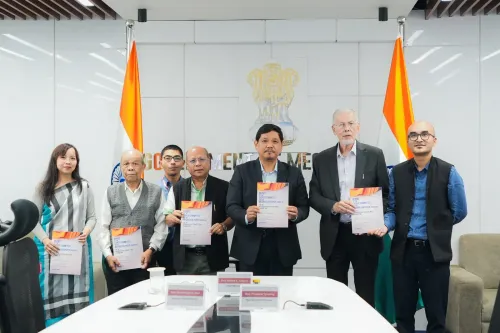
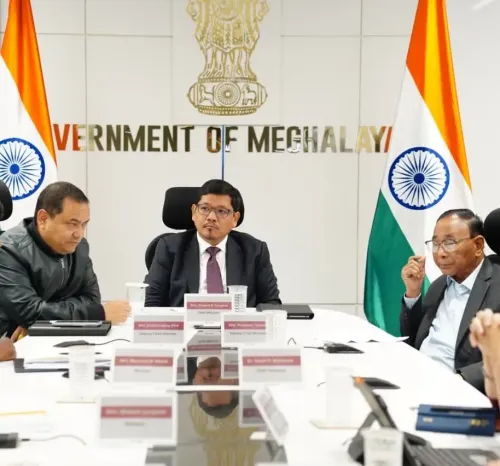
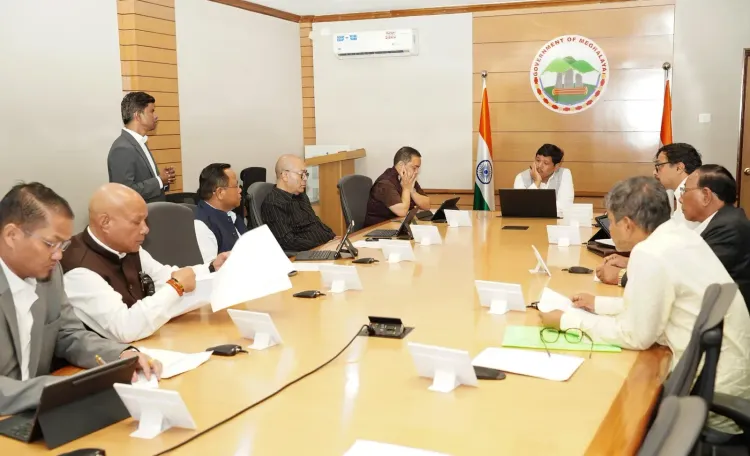
Meghalaya Chief Minister Conrad Sangma announced on Wednesday, 19 August 2026 that the state cabinet has cleared the Martin Luther Christian University (Amendment) Bill, 2026 — a regulatory housekeeping move that brings one of Shillong's established private universities firmly within the bounds of national education law.
What the cabinet cleared — and why it matters
The amendment does three specific things: it restricts Martin Luther Christian University (MLCU)'s operations to within Meghalaya, removes the provision for distance education, and strips the university of its power to affiliate colleges. All three changes directly mirror the University Grants Commission (UGC) (Establishment of and Maintenance of Standards in Private Universities) Regulations, 2003, which bar private universities from operating beyond the territory of their founding state, running off-campus centres, or granting affiliations. MLCU had provisions on the books that the central regulator does not permit. The cabinet has now moved to close that gap.
CM Sangma framed it plainly: 'This ensures the University's framework remains compliant with the applicable regulatory norms.' No ambiguity, no political spin — a compliance correction, acknowledged as such.
MLCU and the private university proliferation problem
Martin Luther Christian University, based in Shillong, offers programmes spanning theology, social sciences, and management. It is one of several private universities established under state legislation during the rapid proliferation of such institutions in the 2000s — a national wave that left many state acts out of step with evolving UGC norms. Indian states have periodically had to revisit these founding acts to strip out provisions that looked reasonable at the time of drafting but conflicted with central regulatory standards. Meghalaya is doing exactly that now.
The UGC's private university regulations are unambiguous: a state private university exists within its state, teaches its own students, and does not build an affiliate network. Distance education for private universities falls under a separate, stricter UGC framework that requires distinct approvals. Provisions allowing MLCU to do otherwise were a regulatory inconsistency waiting to be addressed.
What comes next for the bill
Cabinet approval is the first gate. The Martin Luther Christian University (Amendment) Bill, 2026 must now be tabled and passed by the Meghalaya Legislative Assembly before it becomes law. Once enacted, the UGC can formally recognise MLCU's compliance status — a practical benefit for the university's students, whose degrees carry greater weight when the awarding institution is fully in regulatory good standing.
For a state whose higher education ecosystem leans heavily on private institutions, getting the legal architecture right is not a footnote. It is the foundation.
Point of View
But it signals something larger: Meghalaya is actively auditing the legal architecture of its private higher education sector against central UGC norms. For CM Conrad Sangma's government, it is low-risk, high-credibility governance — the kind of regulatory tidying that strengthens a state's standing with the UGC without generating political friction. The broader pattern across Indian states suggests that the post-2000s private university boom left a trail of non-compliant founding acts, and states that proactively fix them are better positioned to attract UGC recognition and central education funding. The real test is whether the Meghalaya Assembly passes the bill swiftly and whether the UGC formally acknowledges MLCU's restored compliance.
NationPress
19 Aug 2026
Frequently Asked Questions
What is the Martin Luther Christian University Amendment Bill 2026?
It is a state cabinet-approved bill that amends MLCU's founding legislation to restrict its operations to Meghalaya, remove distance education provisions, and withdraw its power to affiliate colleges, bringing it in line with UGC regulations for private universities.
Why was MLCU's distance education provision removed?
UGC regulations do not permit state private universities to offer distance education without separate, specific approvals. The existing provision in MLCU's act was non-compliant with these central norms and has been removed.
Can private universities in India affiliate colleges?
No. The UGC (Establishment of and Maintenance of Standards in Private Universities) Regulations, 2003, explicitly bar private universities from affiliating other colleges. MLCU's amendment removes this power to ensure compliance.
What happens after the Meghalaya Cabinet approves an amendment bill?
The bill must be introduced and passed by the Meghalaya Legislative Assembly. Once enacted, it becomes law and the university's regulatory status is updated accordingly.
How does this affect MLCU students?
Students at MLCU benefit when their university is fully compliant with UGC norms, as degrees from a recognised, compliant institution carry greater academic and professional credibility across India.