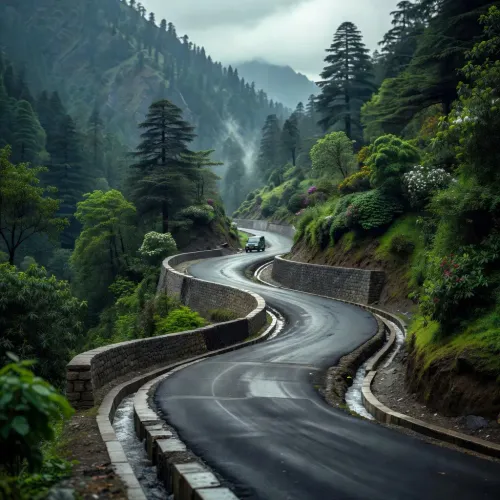
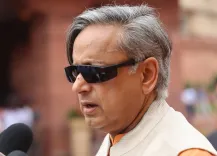
CM Sukhu Warns Himachal Residents Amid Bad Weather Forecast
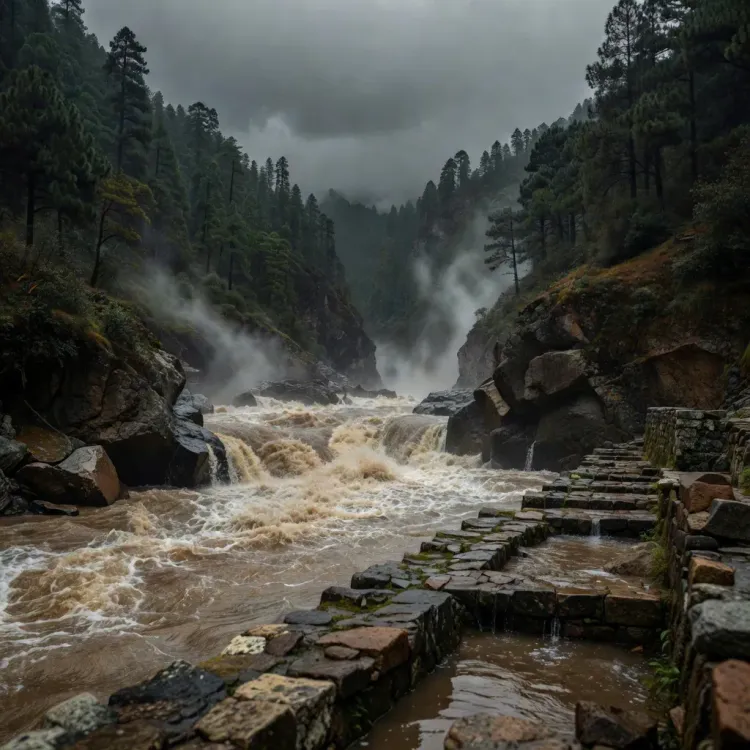
Synopsis
Chief Minister Sukhvinder Singh Sukhu has issued a public safety advisory urging Himachal Pradesh residents to stay away from rivers, streams, and landslide-prone areas following an IMD forecast of adverse weather for the coming days.
Key Takeaways
The Chief Minister's Office of Himachal Pradesh issued a monsoon safety advisory on 28 July 2026 .
CM Thakur Sukhvinder Singh Sukhu personally signed the advisory, urging residents to avoid rivers, drains, and landslide-prone zones .
The India Meteorological Department (IMD) has forecast bad weather for the next several days over the state.
Residents have been asked to follow all administration-issued guidelines 'with full seriousness.' Himachal Pradesh is a high-risk Himalayan state prone to flash floods, cloudbursts, and landslides during the June-September monsoon season.
Possible escalation to evacuation orders or relief deployment if IMD warnings intensify.
The Chief Minister's Office of Himachal Pradesh on Tuesday, 28 July 2026, shared a public safety advisory from Chief Minister Thakur Sukhvinder Singh Sukhu, urging residents to stay away from rivers, drains, and landslide-prone zones as the India Meteorological Department (IMD) has forecast adverse weather conditions for the coming days.
Context
In the advisory posted on the official CMO account, Chief Minister Sukhu stated — 'mausam vibhag ne aagami kuch dinon tak mausam kharab rehne ki sambhavna jatayi hai' ['the meteorological department has indicated the likelihood of bad weather for the next few days'] — and appealed to citizens to follow all directives issued by the administration 'with full seriousness.' The message was signed directly in the name of the Chief Minister, lending it formal weight beyond a routine departmental notice.
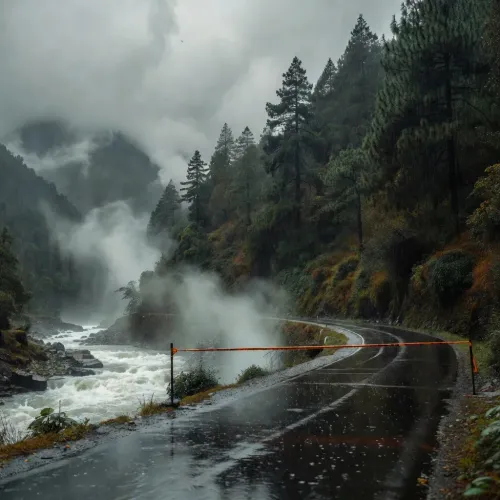
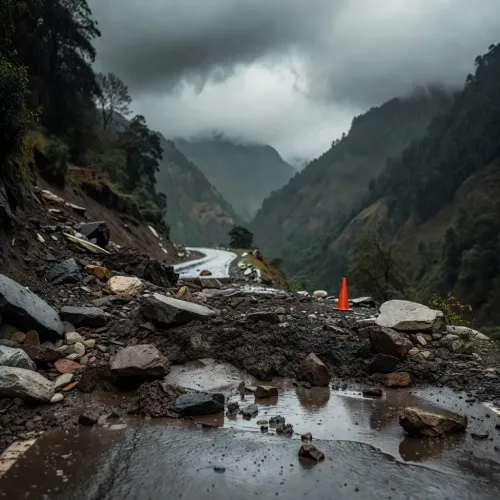
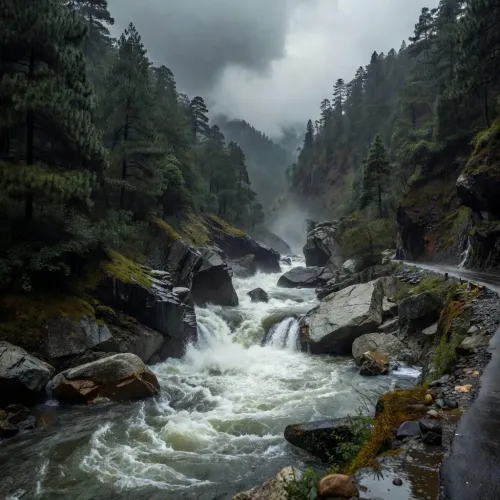
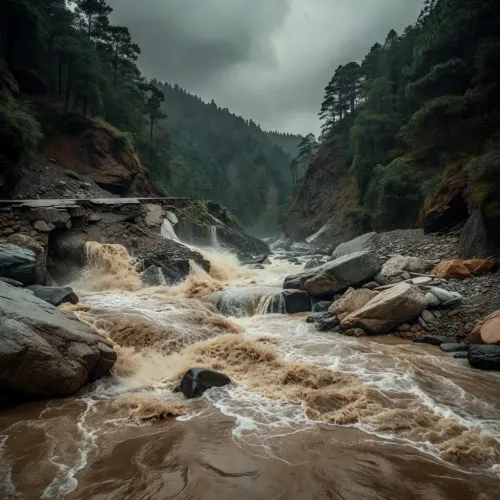
The advisory specifically calls on the public to keep away from rivers, streams (nadi-naale), and areas susceptible to landslides, the two most common causes of monsoon fatalities in the state.
Policy Backdrop
Himachal Pradesh, a mountainous Himalayan state, faces recurring hazards every monsoon season between June and September, including flash floods, cloudbursts, and landslides triggered by heavy rainfall. The state government, in coordination with the IMD and the National Disaster Management Authority, has institutionalised a system of seasonal public alerts as part of its disaster risk reduction framework.
Issuing such advisories through the Chief Minister's official channel has become standard practice in Himachal Pradesh, designed to amplify reach and signal administrative seriousness. CM Sukhu, who took office in December 2022, has continued this practice across successive monsoon seasons.
Stakeholders and Impact
The advisory is directed primarily at hill residents and riverine communities — populations most exposed to sudden flooding and slope failures. Tourists visiting Himachal Pradesh during the summer-monsoon overlap period are also implicitly covered, given the state's heavy visitor footfall near rivers and trekking routes.
Local administration units, including district collectors and State Disaster Response Force teams, are expected to operationalise the advisory through ground-level enforcement and public communication in vulnerable zones.
What's Next
The critical variable is whether IMD warnings intensify over the coming days, which could prompt the state government to escalate from advisory to evacuation orders or relief deployments in high-risk districts. Citizens and local bodies have been asked to monitor official channels for updated directives as weather conditions evolve.
Point of View
Bypassing traditional departmental channels to maximise public reach. For CM Sukhu, the move also carries political utility — visible, proactive leadership during a season that has historically exposed state governments to criticism when casualties mount. The emphasis on personal attribution ('I appeal to all of you') signals an attempt to build direct accountability with citizens. Broader, this fits a national pattern of state governments using social media as a first-response public safety layer alongside formal NDMA mechanisms.
NationPress
28 Jul 2026
Frequently Asked Questions
Why has CM Sukhu issued a weather advisory for Himachal Pradesh?
CM Thakur Sukhvinder Singh Sukhu issued the advisory because the India Meteorological Department (IMD) has forecast bad weather for the coming days, raising the risk of flooding and landslides in the state.
Which areas should people avoid in Himachal Pradesh during the monsoon alert?
Residents are advised to stay away from rivers, streams (nadi-naale) , and areas prone to landslides , as these are the most dangerous zones during heavy rainfall in Himachal Pradesh .
What should Himachal Pradesh residents do during the bad weather period?
Residents should follow all directives issued by the local administration with full seriousness, monitor official government channels for updates, and avoid unnecessary travel to high-risk zones.
Is Himachal Pradesh at high risk during the monsoon season?
Yes. Himachal Pradesh is a mountainous Himalayan state that faces recurring hazards every June-September monsoon season, including flash floods, cloudbursts, and landslides.
Who is the Chief Minister of Himachal Pradesh in 2026?
Thakur Sukhvinder Singh Sukhu is the Chief Minister of Himachal Pradesh , having taken office in December 2022 .