Tharoor: Parliament must hear students, Opposition likely to join exam bill debate
Synopsis
Congress MP Shashi Tharoor declared the Opposition 'very likely' to join the Lok Sabha debate on the exam irregularities bill — but warned that fast-track courts alone won't fix a broken system. His sharpest line: celebrating a minister's resignation over exam failures means being 'out of touch with the people.'
Key Takeaways
Congress MP Shashi Tharoor said on 28 July that the Opposition is 'very likely' to participate in the Lok Sabha debate on the Public Examinations (Prevention of Unfair Means) Amendment Bill, 2026 .
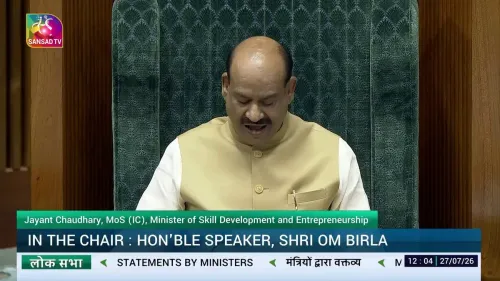
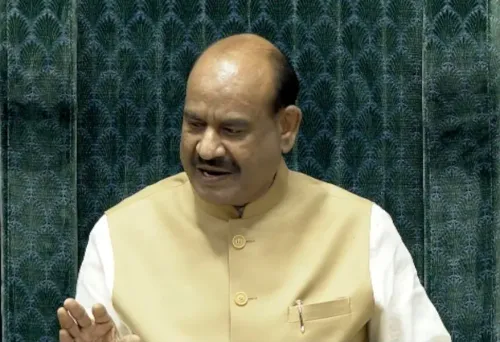
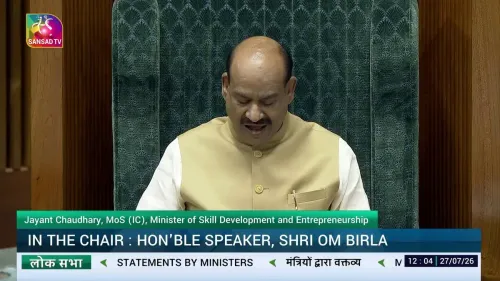
Lok Sabha Speaker Om Birla had scheduled the bill for discussion at 2 pm the same day.
Tharoor questioned whether the bill's provisions — including fast-track courts — are sufficient to protect students' interests.
He called for systemic reform, saying 'only one minister's resignation is not enough — the entire system needs to be transformed.' Tharoor criticised the celebratory reception given to former Education Minister Dharmendra Pradhan at Parliament after his resignation, calling it 'a very disturbing development.'
Congress MP Shashi Tharoor on Tuesday, 28 July said the Opposition is 'very likely' to participate in the Lok Sabha debate on the Public Examinations (Prevention of Unfair Means) Amendment Bill, 2026, calling it essential for Parliament to address the concerns of students and restore normal legislative functioning. His remarks came after Lok Sabha Speaker Om Birla announced the House would take up the bill for discussion at 2 pm the same day.
What Tharoor Said
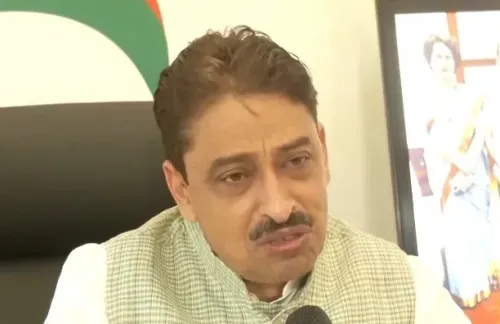
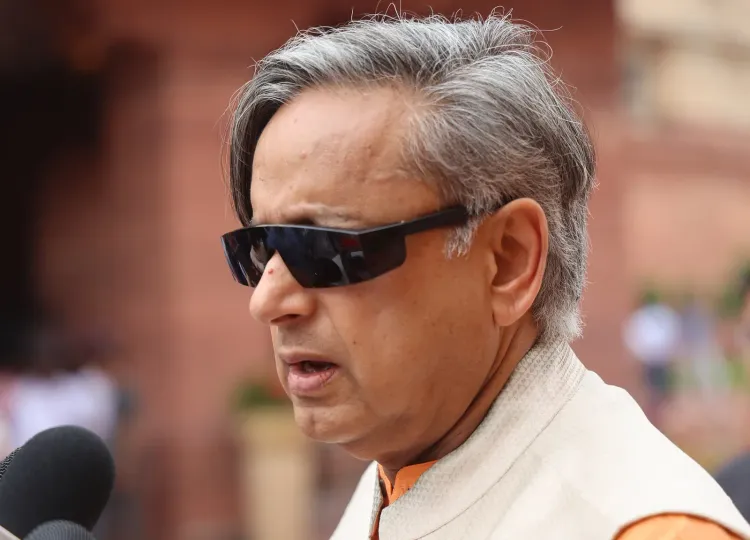
Speaking to reporters, Tharoor described the debate as critical and welcomed the Opposition's likely participation. 'I think it's a very important debate and I think now the Opposition seems very likely to participate in this debate, which I'm very encouraged by because I think we need to get Parliament back on track. The voices of the children of India must be heard in Parliament, and many of us feel a responsibility to raise some of these issues,' he said.
Tharoor signalled that the Opposition would scrutinise whether the proposed legislation sufficiently tackles examination paper leaks. 'Is the bill introduced by the government sufficient? Will merely setting up fast-track courts or changing one or two provisions truly improve the future of our children? These are questions that need to be asked,' he added.
Demand for Systemic Reform
Tharoor argued that addressing examination irregularities required far more than individual accountability measures. He called for a comprehensive overhaul of the examination system, stating that 'only one minister's resignation is not enough — the entire system needs to be transformed.' He maintained that structural changes were the only credible path to protecting students' interests.
Tharoor on Pradhan's Reception at Parliament
Tharoor also commented on the reception accorded to former Union Education Minister Dharmendra Pradhan at Parliament on Monday, following his resignation. Pradhan had stepped down citing moral responsibility for failures in the examination system. Tharoor called the celebratory welcome 'a very disturbing development.'
'When a minister resigns taking moral responsibility for a failure, you don't greet him as a hero,' he said. He further argued that applauding the resignation reflected a disconnect from the sentiments of students and middle-class families affected by alleged examination irregularities. 'These are all people who did the right thing, who studied, prepared for exams, and were betrayed by the system. You don't applaud that. If you're applauding it and celebrating it, then you're out of touch with the people; you will not get their support,' Tharoor said.
Background and Context
The Public Examinations (Prevention of Unfair Means) Amendment Bill, 2026 comes in the wake of widespread controversy over alleged paper leaks and irregularities in national-level competitive examinations, which triggered protests by students and families across the country. The original Public Examinations Act had introduced criminal provisions for exam fraud, but critics argue the framework needs deeper structural reinforcement. This debate marks one of the more significant legislative moments in the current session, with the Opposition's participation potentially signalling a partial thaw after days of disruption in the House.
What Happens Next
With the Opposition indicating participation, the Lok Sabha debate on the amendment bill is expected to be substantive. Whether the government responds to demands for broader systemic reform — beyond fast-track courts and incremental provisions — will determine whether the legislation satisfies students and civil society groups who have been pressing for accountability since the examination controversies erupted.
Point of View
He positions Congress as constructive rather than obstructionist — a reputational reset after days of House disruption. But the harder question he raises is the right one: the amendment bill's emphasis on fast-track courts addresses prosecution, not prevention. India's examination integrity crisis is fundamentally a systemic failure — of oversight, of institutional accountability, of data security in high-stakes testing. A bill that adds penal provisions without fixing the upstream leak points risks being legislative optics. The reception given to Pradhan, meanwhile, is a political own goal that Tharoor is right to call out — it hands the Opposition a ready narrative about the ruling side's indifference to student grievances.
NationPress
28 Jul 2026
Frequently Asked Questions
What is the Public Examinations (Prevention of Unfair Means) Amendment Bill, 2026?
It is a proposed amendment to India's existing Public Examinations Act, introduced in the Lok Sabha to strengthen provisions against examination fraud, including paper leaks. The bill proposes measures such as fast-track courts, though critics argue deeper structural reforms are needed.
Why did Shashi Tharoor say Parliament needs to 'get back on track'?
Tharoor was referring to the need to restore normal legislative functioning after disruptions in the House. He stressed that Parliament must prioritise the concerns of students affected by examination irregularities and ensure their voices are heard in the debate.
What concerns did Tharoor raise about the amendment bill?
Tharoor questioned whether provisions like fast-track courts and minor legislative changes are sufficient to address the root causes of examination irregularities. He called for comprehensive systemic reform rather than incremental fixes.
Why did Tharoor criticise the reception given to Dharmendra Pradhan?
Former Union Education Minister Dharmendra Pradhan was reportedly welcomed at Parliament in a celebratory manner after resigning over examination failures. Tharoor called this 'a very disturbing development,' arguing that a minister resigning for moral failure should not be greeted as a hero.
Who is affected by the examination irregularities controversy?
Students and families across India who prepared for and appeared in national-level competitive examinations are primarily affected. Tharoor specifically referenced middle-class students who 'studied, prepared for exams, and were betrayed by the system.'