CM Tamil Nadu Inspects Social Justice Hostels in Saidapet
Synopsis
Tamil Nadu Chief Minister personally inspected Social Justice Hostels in Saidapet, Chennai on 17 July 2026, underscoring the state government's continued focus on welfare infrastructure for students from SC, ST and OBC communities — a cornerstone of Tamil Nadu's Dravidian social-justice tradition since the 1960s.
Key Takeaways
The Chief Minister of Tamil Nadu conducted an on-site inspection of Social Justice Hostels in Saidapet, Chennai on 17 July 2026 .
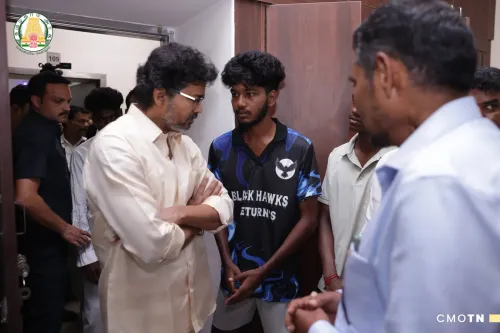
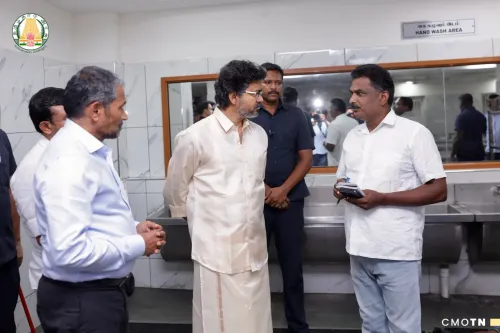
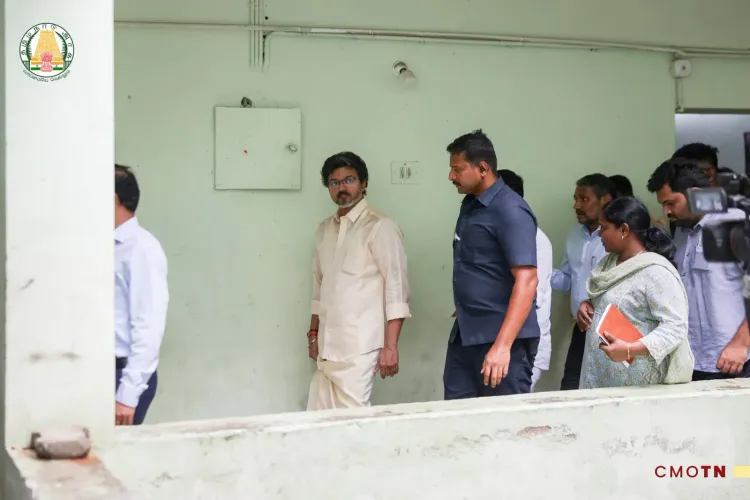
The visit was officially announced by the Chief Minister's Office of Tamil Nadu on X, accompanied by four photographs of the inspection.
Social Justice Hostels provide free accommodation, meals and educational support to students from SC, ST and OBC communities across Tamil Nadu.
Tamil Nadu has maintained this residential welfare network since the 1960s–1970s as part of its Dravidian social-equity policy tradition.
The inspection is expected to inform potential follow-up orders on hostel upgrades, service improvements or budgetary allocations for the welfare hostel network.
The Chief Minister's Office of Tamil Nadu announced on Friday, 17 July 2026, that the Chief Minister conducted an on-site inspection of Social Justice Hostels located in Saidapet, Chennai, as part of the state government's ongoing monitoring of welfare infrastructure for marginalised students.
The Tamil-language post from the official CMO handle reads: 'மாண்புமிகு தமிழ்நாடு முதலமைச்சர் அவர்கள் சென்னை சைதாப்பேட்டையில் உள்ள சமூக நீதி விடுதிகளில் ஆய்வு' — 'The Honourable Chief Minister of Tamil Nadu conducted an inspection of the Social Justice Hostels in Saidapet, Chennai.' The post was accompanied by four images documenting the visit.
Context
Saidapet is a central locality in Chennai that houses several state government facilities, including residential welfare hostels administered by the Social Welfare and Women Empowerment Department. These hostels provide accommodation, meals, and educational support to students from Scheduled Castes (SC), Scheduled Tribes (ST), and Other Backward Classes (OBC). The Chief Minister's visit was tagged with the hashtag #CMJosephVijay, indicating the inspection was carried out personally by the current Chief Minister.
Policy Backdrop
Tamil Nadu has operated a network of Social Justice Hostels since the 1960s and 1970s, making it one of the earliest states to institutionalise residential welfare infrastructure for educationally disadvantaged communities. The scheme is a cornerstone of the state's Dravidian social-justice tradition, which has historically prioritised reducing caste-based educational disparities through state-funded boarding and lodging support. Regular administrative inspections of these facilities are a well-established practice used to assess maintenance standards, occupancy levels, and service delivery quality.
The current government has continued this legacy, with welfare hostel oversight forming part of its broader social-equity agenda. Such field visits by the Chief Minister signal direct executive attention to the functioning of ground-level welfare delivery mechanisms, beyond routine departmental review.
Stakeholders and Impact
The primary beneficiaries of Social Justice Hostels are students from SC, ST, and OBC communities who would otherwise lack access to safe and affordable accommodation near educational institutions. For many of these students, state-run hostels are a critical enabler of uninterrupted schooling and higher education. Any improvements in hostel infrastructure or service standards following such inspections directly affect the quality of life and academic continuity of thousands of students across Tamil Nadu.
Civil society groups and community organisations working on Dalit and OBC welfare rights closely track the condition of these hostels as a barometer of the state's commitment to social justice. The Chief Minister's personal inspection is likely to be read by these stakeholders as a signal of continued political prioritisation of the welfare hostel network.
What's Next
Observers will watch for any follow-up administrative orders arising from this inspection — including directives on infrastructure upgrades, improvements in food quality, or expansion of hostel capacity. Announcements tied to additional budgetary allocations for the welfare hostel network, either through a supplementary budget or the next annual welfare department review, will be closely monitored. The inspection may also precede a broader state-level audit of Social Justice Hostels across districts, consistent with past administrative practice in Tamil Nadu.
Point of View
Not merely a bureaucratic function. In a state where Dravidian parties have historically competed on their delivery of social-justice schemes, such inspections serve both an administrative and a symbolic purpose — reassuring SC, ST and OBC constituencies that the government remains attentive to ground-level welfare infrastructure. The hashtag #CMJosephVijay anchoring the post also signals a deliberate effort to associate the Chief Minister's personal brand with direct welfare engagement. Observers will assess whether the visit translates into concrete follow-up action, which would distinguish it from ceremonial outreach.
NationPress
16 Oct 2026
Frequently Asked Questions
What are Social Justice Hostels in Tamil Nadu?
Social Justice Hostels are state-run residential facilities in Tamil Nadu that provide free accommodation, food and educational support to students from Scheduled Caste, Scheduled Tribe and Other Backward Class communities, helping them access schooling and higher education regardless of economic background.
Why did the Tamil Nadu CM visit Saidapet hostels?
The Chief Minister visited Social Justice Hostels in Saidapet, Chennai on 17 July 2026 to conduct a direct inspection of welfare infrastructure, assessing maintenance standards, occupancy and service quality as part of the government's monitoring of social-equity schemes.
Where is Saidapet located and why is it significant?
Saidapet is a central locality in Chennai, Tamil Nadu, that houses several state government welfare facilities including Social Justice Hostels catering to marginalised student communities.
How long has Tamil Nadu been running Social Justice Hostels?
Tamil Nadu has operated Social Justice Hostels since the 1960s and 1970s, making it one of India's earliest states to institutionalise state-funded residential welfare infrastructure for educationally disadvantaged communities.
What could follow from the CM's inspection of welfare hostels?
The inspection may lead to follow-up administrative orders on infrastructure upgrades, improvements in food and services, or additional budgetary allocations for the Social Justice Hostel network, which observers will watch for in upcoming government announcements.