CM Vijay Chairs Commercial Taxes Review Meet in Chennai
Synopsis
Tamil Nadu Chief Minister C. Joseph Vijay on 6 July 2026 chaired a review meeting at the state Secretariat on the functioning and schemes of the Commercial Taxes and Registration Department, signalling close executive oversight of a key state revenue arm.
Key Takeaways
Joseph Vijay chaired the review meeting on 6 July 2026 at the Chief Secretariat, Chennai .
The meeting focused on the Commercial Taxes and Registration Department's operations and ongoing schemes.
The department is a major source of Tamil Nadu's own-tax revenue, especially significant after GST restructuring in 2017 .
Tamil Nadu has been digitising property registration and stamp duty processes since the mid-2000s .
Key stakeholders include businesses filing commercial taxes and property owners using registration services across the state.
Follow-up policy announcements on digital compliance tools or registration reforms may emerge ahead of the next state budget.
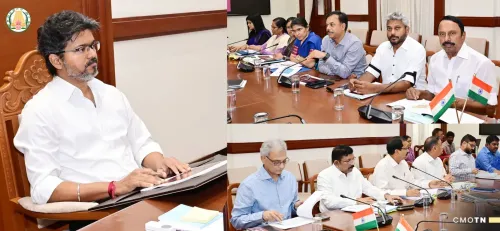
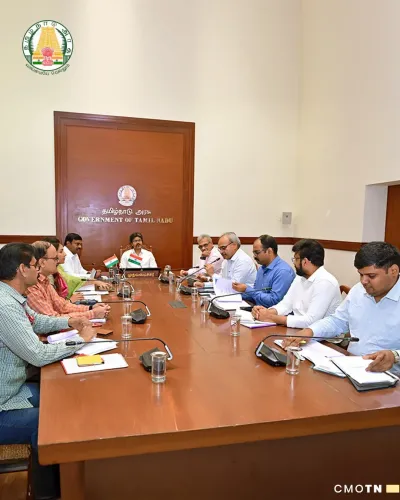
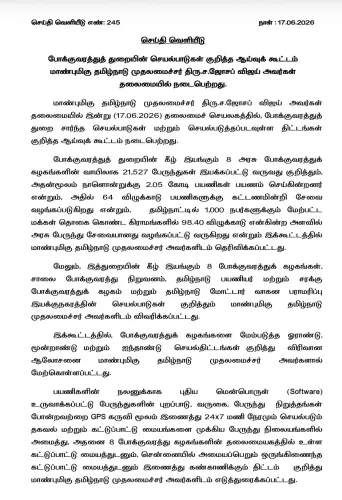
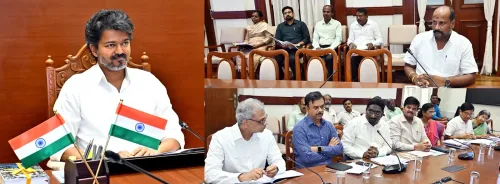
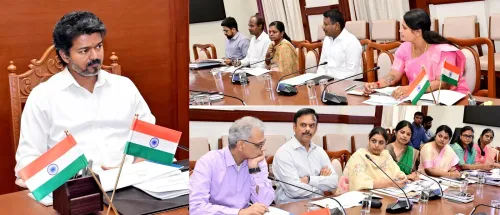
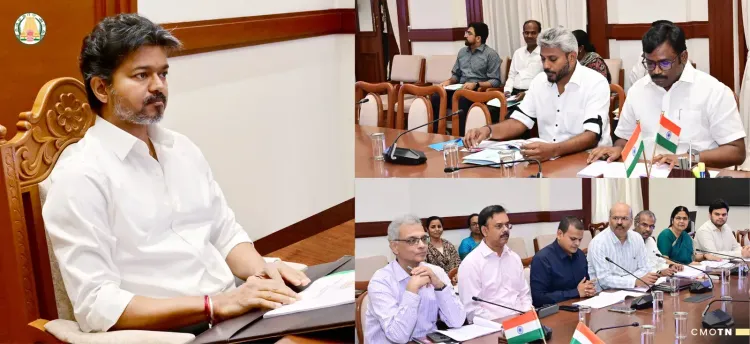
The Chief Minister's Office of Tamil Nadu announced on Monday, 6 July 2026 that Chief Minister C. Joseph Vijay chaired a review meeting at the Secretariat in Chennai to assess the functioning and schemes of the Commercial Taxes and Registration Department.
Context
The post, shared by the official CMO Tamil Nadu account, states in Tamil: 'வணிகவரி மற்றும் பதிவுத் துறையின் செயல்பாடுகள் மற்றும் திட்டங்கள் குறித்த ஆய்வுக்கூட்டம் நடைபெற்றது' — meaning 'a review meeting on the functioning and schemes of the Commercial Taxes and Registration Department was held.' The meeting was held under the chairmanship of Chief Minister Vijay at the state's Chief Secretariat.
Such high-level departmental reviews are a standard governance mechanism in Tamil Nadu, where the Chief Minister directly monitors revenue-generating departments to ensure targets are met and citizen-facing services are streamlined.
Policy Backdrop
The Commercial Taxes and Registration Department is one of Tamil Nadu's most significant revenue arms, responsible for collecting state-level commercial taxes and overseeing property and document registrations across the state. Post the implementation of the Goods and Services Tax (GST) in 2017, state governments saw a restructuring of indirect taxation, making departmental efficiency and compliance monitoring more critical than ever.
Tamil Nadu has progressively digitised its registration and stamp duty processes since the mid-2000s, with successive governments pushing for greater transparency and reduction of revenue leakages. The current review meeting signals continued emphasis on this trajectory.
Stakeholders and Impact
Businesses operating in Tamil Nadu, particularly those filing commercial tax returns, stand to be directly affected by any policy or process changes emerging from this review. Property owners and individuals involved in document registration across the state are the other key stakeholder group watching developments from this meeting.
Commercial taxes constitute a substantial share of Tamil Nadu's own-tax revenue. Any improvements in compliance tools, fee structures, or registration timelines would have a direct bearing on state finances and ease of doing business rankings.
What's Next
Departmental review meetings of this nature in Tamil Nadu have historically preceded announcements on process reforms or digital compliance upgrades, often surfacing during subsequent budget presentations or standalone policy circulars. Observers will watch for follow-up directives on digital tax compliance tools or streamlining of the registration process.
With the state government maintaining a close watch on its own-revenue performance, further reviews of other key departments are likely in the weeks ahead.
Point of View
CM Vijay is publicly staking accountability on the Commercial Taxes and Registration Department's performance, a department that feeds directly into the state's fiscal headroom. In a post-GST environment where states compete for every rupee of own-tax revenue, such reviews carry more than ceremonial weight. The timing, mid-year in the financial calendar, suggests the government may be course-correcting on collection targets or preparing ground for a process overhaul before the budget season.
NationPress
6 Jul 2026
Frequently Asked Questions
What was the review meeting chaired by Tamil Nadu CM Vijay about?
The meeting, held on 6 July 2026 at the Chennai Secretariat, reviewed the functioning and schemes of the Commercial Taxes and Registration Department of Tamil Nadu.
What does the Commercial Taxes and Registration Department do in Tamil Nadu?
The department is responsible for levying and collecting commercial taxes in Tamil Nadu and overseeing property and document registrations across the state.
How does this review meeting affect businesses in Tamil Nadu?
Businesses filing commercial tax returns in Tamil Nadu could see changes in compliance processes or digital tools if the review leads to policy reforms.
What is the significance of Tamil Nadu's Commercial Taxes Department after GST?
After GST was implemented in 2017, state-level indirect taxation was restructured, making the Commercial Taxes Department's efficiency and compliance monitoring critical to maintaining state revenue.
Will there be policy announcements following this departmental review?
Such review meetings in Tamil Nadu have historically preceded announcements on digital compliance upgrades or registration process reforms, often detailed during budget presentations.