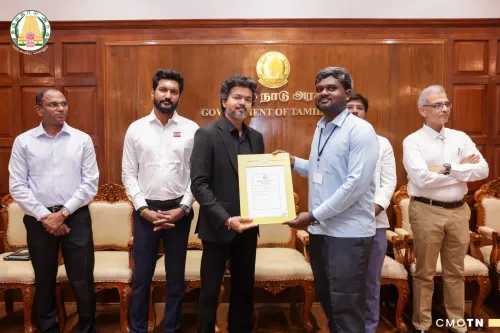
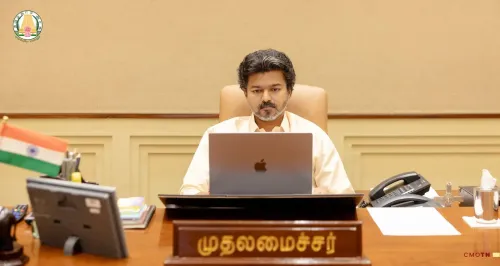
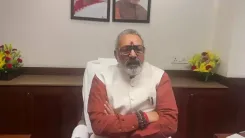
CM Vijay hands appointment orders to 126 TNPSC, TNPCB recruits

Synopsis
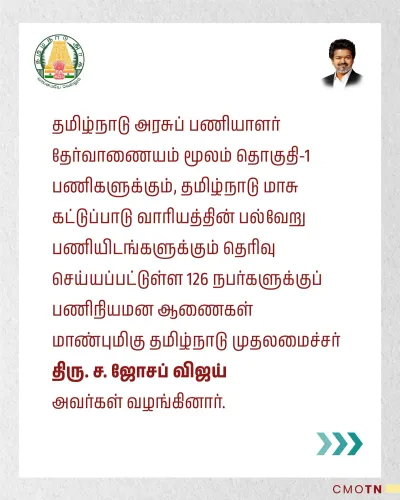
Tamil Nadu Chief Minister Joseph Vijay handed appointment orders to 126 candidates selected through TNPSC for Group-I services and the Tamil Nadu Pollution Control Board on 29 July 2026, accelerating joining formalities for top state civil service and environmental enforcement posts.
Key Takeaways
126 candidates received appointment orders from CM Joseph Vijay on 29 July 2026 .
Recruits span two streams: TNPSC Group-I services (top-tier state civil posts) and various positions at the Tamil Nadu Pollution Control Board .
Group-I posts include executive roles such as Deputy Collector and Assistant Commissioner, critical to revenue administration.
The TNPCB appointments are expected to strengthen environmental enforcement and industrial monitoring capacity in Tamil Nadu.
The ceremony is designed to reduce vacancy backlogs and compress the gap between selection and actual joining.
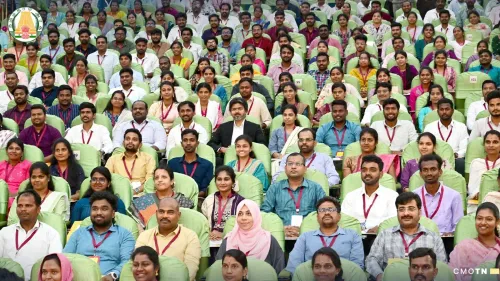
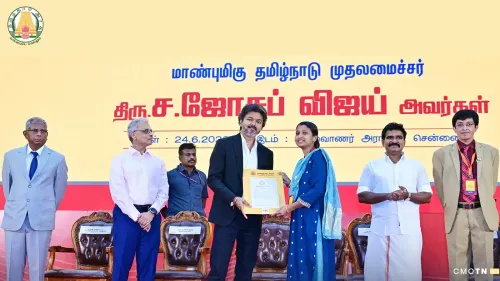
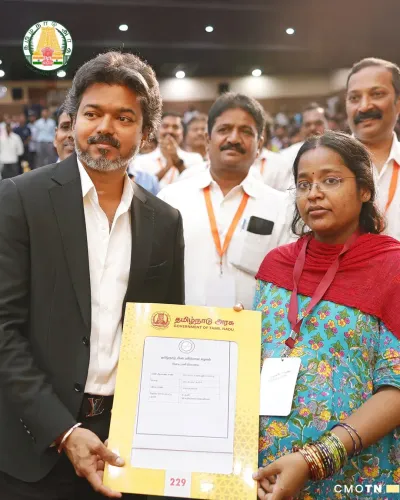
One hundred and twenty-six newly selected candidates moved a step closer to public service on Wednesday, 29 July 2026, as Tamil Nadu Chief Minister Joseph Vijay personally handed them their appointment orders — a gesture that turns months of competitive examination into a career in a single moment.
The Chief Minister's Office of Tamil Nadu confirmed that the orders cover two distinct streams: candidates selected through the Tamil Nadu Public Service Commission (TNPSC) for Group-I services, and recruits earmarked for various posts at the Tamil Nadu Pollution Control Board (TNPCB).
What Group-I selection means for Tamil Nadu's administration
Group-I is the top tier of Tamil Nadu's state civil services — the pathway to posts such as Deputy Collector and Assistant Commissioner, roles that sit at the sharp end of revenue administration and public delivery. Filling these vacancies matters: prolonged shortfalls in executive cadre posts slow everything from land-record disputes to disaster-relief coordination.
TNPSC has conducted Group-I examinations for decades, running candidates through a rigorous multi-stage process before a final counselling round that assigns them to departments. The appointment-order ceremony is the formal last step — converting selection into a legal instrument of employment.
TNPCB posts: plugging gaps in environmental enforcement
The Tamil Nadu Pollution Control Board is the statutory watchdog responsible for enforcing the Water and Air Pollution Control Acts across one of India's most industrialised states. Technical vacancies at the board directly affect the pace of factory inspections, effluent monitoring, and consent management for industries. The fresh recruits joining through this batch are expected to strengthen the board's field and regulatory capacity.
Clearing the backlog, one batch at a time
State governments across India periodically stage these distribution ceremonies to compress the gap between selection and joining — cutting through paperwork that can otherwise keep qualified officers in limbo for months. For Tamil Nadu, which manages a large and complex bureaucracy, keeping Group-I and specialised-board rosters adequately staffed is a recurring administrative priority.
With 126 officers now holding orders in hand, the next phase to watch is the counselling and joining formalities for subsequent TNPSC batches, as well as any fresh notifications the Pollution Control Board may issue for technical positions still unfilled.
For the candidates themselves, the Chief Minister's direct presence at the handover sent an unambiguous signal: the state is watching, and it expects them to deliver.
Point of View
High-visibility administrative act that lets a Chief Minister claim credit for filling government vacancies — a perennial voter concern in Tamil Nadu. For CM Vijay, still consolidating his political identity as a first-term chief minister, being seen personally handing orders to 126 officers reinforces a 'governance-first' image. The dual focus on Group-I civil servants and TNPCB technical staff also signals awareness that both administrative depth and environmental regulation are pressure points in an industrialising state. Whether the optics translate into sustained recruitment momentum will depend on how quickly the next TNPSC notification cycle is launched.
NationPress
29 Jul 2026
Frequently Asked Questions
Who received appointment orders from Tamil Nadu CM Joseph Vijay on 29 July 2026?
126 candidates received appointment orders — those selected through TNPSC for Group-I services and recruits for various posts at the Tamil Nadu Pollution Control Board (TNPCB) .
What are TNPSC Group-I services in Tamil Nadu?
Group-I is the top tier of Tamil Nadu state civil services, filled through competitive examinations conducted by the Tamil Nadu Public Service Commission . Posts include Deputy Collector, Assistant Commissioner, and other executive and revenue administration roles.
What does the Tamil Nadu Pollution Control Board do?
The TNPCB is a statutory body that enforces environmental regulations in Tamil Nadu, including monitoring industrial pollution and implementing the Water and Air Pollution Control Acts.
Why do state governments hold appointment-order distribution ceremonies?
These ceremonies compress the administrative gap between selection and joining, converting a candidate's selection into a formal legal instrument of employment and reducing vacancy backlogs in government departments.
What happens after TNPSC Group-I appointment orders are issued?
After receiving orders, candidates complete joining formalities with their assigned departments. The next phase typically involves counselling for subsequent batches and fresh notifications for remaining vacancies.