CM Vijay hands appointment orders to 69 agri officers in TN
Synopsis
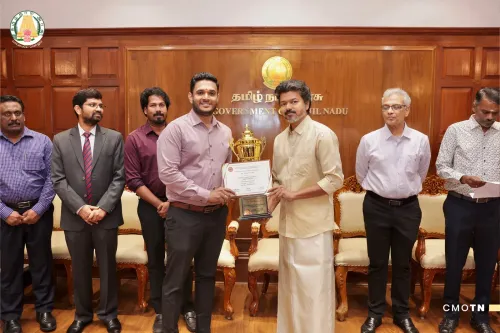
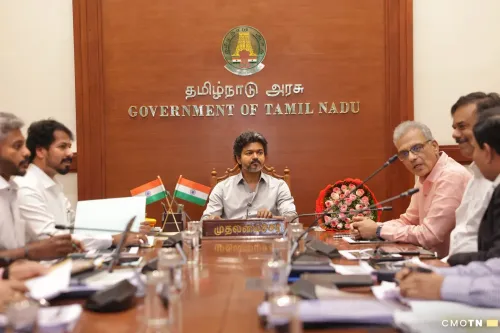
Chief Minister C. Joseph Vijay handed appointment orders to 69 TNPSC-selected officers — 26 Assistant Agricultural Officers and 43 Assistant Horticulture Officers — at the Tamil Nadu Secretariat on 23 October 2026, while cooperative sugar mill MDs showcased national federation awards to the CM.
Key Takeaways
69 appointment orders were handed over by CM C.
Joseph Vijay at the Tamil Nadu Secretariat on 23 October 2026 .
The recruits comprise 26 Assistant Agricultural Officers and 43 Assistant Horticulture Officers , with horticulture forming the larger cohort.
All 69 candidates were selected through the Tamil Nadu Public Service Commission , ensuring merit-based recruitment.
The officers will serve in the state's Agriculture – Farmers Welfare Department , providing field-level extension services to farmers.
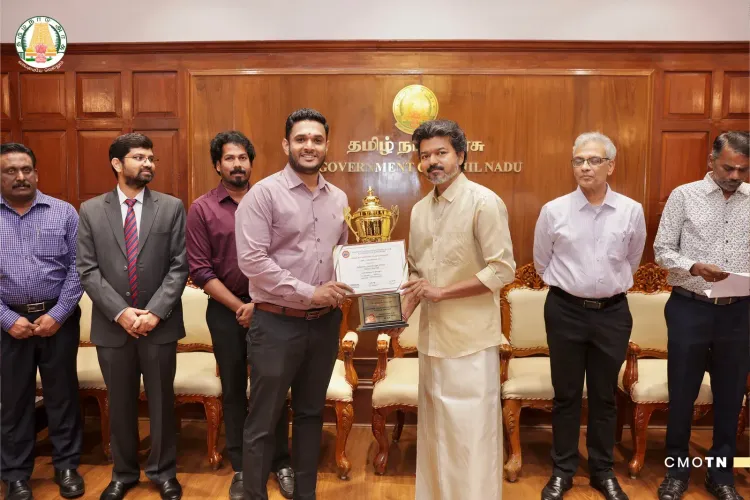
Managing Directors of Tamil Nadu's Cooperative Sugar Mills presented national awards from the National Federation of Cooperative Sugar Factories Limited to the Chief Minister during the same visit.
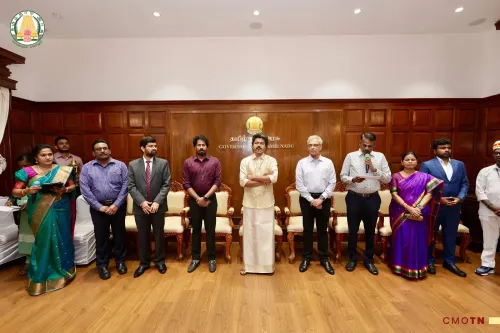
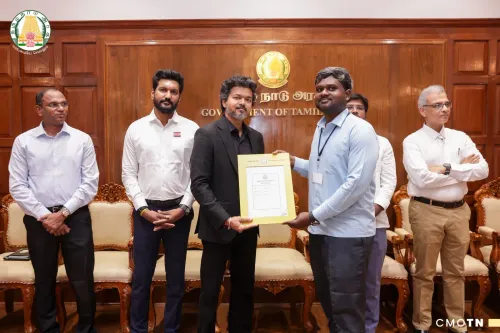
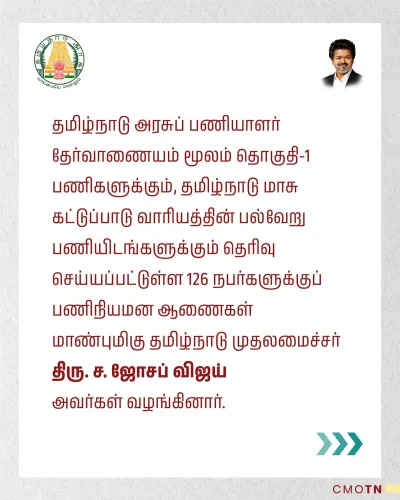
Sixty-nine young officers walked into Tamil Nadu's Secretariat on Friday, 23 October 2026, and walked out with government appointment orders in hand — a moment that will take them to farms and orchards across the state. The Chief Minister's Office of Tamil Nadu announced that Chief Minister C. Joseph Vijay personally handed over the orders to 26 Assistant Agricultural Officers and 43 Assistant Horticulture Officers, all selected through the rigorous process of the Tamil Nadu Public Service Commission (TNPSC) for the Agriculture – Farmers Welfare Department.
TNPSC selection to Secretariat handover: what the 69 appointments mean
These are not desk jobs. Assistant Agricultural Officers and Assistant Horticulture Officers are field-level extension workers — the people who reach farmers at the village level with crop advisories, welfare scheme support, and technical guidance. Filling these vacancies through a competitive TNPSC process ensures merit-based selection and insulates recruitment from local political pressure, a longstanding principle in Tamil Nadu's civil-service tradition.
State governments routinely rely on TNPSC drives to staff this layer of the agriculture bureaucracy, which is the last mile between policy announced in Chennai and practice followed in a paddy field in Thanjavur or a banana plantation in Theni. With 43 horticulture officers joining — a larger share than the agricultural cohort — the posting signals the department's focus on high-value crop diversification alongside staple cultivation.
Cooperative sugar mills bring their national award home to the CM
The Secretariat visit doubled as a moment of institutional pride. Managing Directors of Tamil Nadu's Cooperative Sugar Mills presented awards recently conferred by the National Federation of Cooperative Sugar Factories Limited to Chief Minister Vijay, receiving his congratulations in turn. The national federation periodically recognises mills for operational efficiency, sugar-recovery rates, and management performance — metrics that directly affect cane farmers who depend on cooperative mills for timely payment and fair price.
Cooperative sugar manufacturing in Tamil Nadu sits at the intersection of agrarian welfare and industrial performance. Mills that win national recognition for recovery rates tend to attract modernisation investment and perform better on farmer payments, making these awards more than ceremonial trophies.
What follows for the new recruits and the mills
The 69 officers will now be posted to district-level offices, where the real test of extension work begins — advising farmers on input use, crop insurance enrolment, and government scheme access. Watch for subsequent TNPSC batches filling remaining vacancies, and for any state-level follow-up on the cooperative mills' award-winning performance translating into infrastructure investment or higher cane prices for farmers.
For Tamil Nadu's farming community, this day's headline is simple: more qualified officers are on their way to the fields.
Point of View
High-value crops, consistent with broader agrarian strategy across southern states. The simultaneous recognition of cooperative sugar mills by a national federation adds a performance-accountability dimension: it signals that institutional efficiency, not just welfare spending, is being tracked and rewarded. Together, the two events at the Secretariat paint a picture of a state trying to professionalise both its extension workforce and its agro-industrial institutions.
NationPress
23 Oct 2026
Frequently Asked Questions
Who are the 69 officers appointed by Tamil Nadu CM Vijay?
They are 26 Assistant Agricultural Officers and 43 Assistant Horticulture Officers selected by the Tamil Nadu Public Service Commission for the Agriculture – Farmers Welfare Department, to whom CM C. Joseph Vijay handed appointment orders on 23 October 2026.
What is the Tamil Nadu Public Service Commission (TNPSC)?
The Tamil Nadu Public Service Commission (TNPSC) is a state constitutional body that conducts competitive examinations and selects candidates for recruitment to various Tamil Nadu government departments, ensuring merit-based appointments.
What award did Tamil Nadu's Cooperative Sugar Mills receive?
The Managing Directors of Tamil Nadu's Cooperative Sugar Mills showed CM Vijay awards recently conferred by the National Federation of Cooperative Sugar Factories Limited , the national apex body that recognises mills for operational efficiency and management performance.
What do Assistant Agricultural Officers do in Tamil Nadu?
Assistant Agricultural Officers are field-level extension workers posted in district offices who provide farmers with crop advisories, help them access government welfare schemes, and offer technical guidance on modern farming practices.
Why does Tamil Nadu appoint horticulture officers separately from agricultural officers?
Tamil Nadu maintains separate cadres for horticulture because high-value crops such as fruits, vegetables, and flowers require specialised extension support distinct from staple-crop agriculture, reflecting the state's policy push toward diversified farming and better farmer incomes.