CM Vijay inaugurates 768 housing units worth Rs 1,021 cr
Synopsis
Chief Minister C. Joseph Vijay on 4 November 2026 inaugurated 643 apartment units and commercial complexes in Chennai at Rs 1,003.97 crore and 125 flats in Karur at Rs 17.56 crore, delivered by state housing boards under the Housing and Urban Development Department.
Key Takeaways
768 total units inaugurated across Chennai and Karur districts on 4 November 2026 .
643 apartments and commercial complexes in Chennai District built by the Tamil Nadu Housing Board at Rs 1,003.97 crore .
125 apartments in Kolanthagoundanur Scheme Area, Karur District delivered by TNUHDB at Rs 17.56 crore .
Combined state investment exceeds Rs 1,021 crore across both projects.
Projects fall under the Housing and Urban Development Department , with TNHB operational since 1961 .
Tamil Nadu supplements state-board projects with Pradhan Mantri Awas Yojana (Urban) central funding.
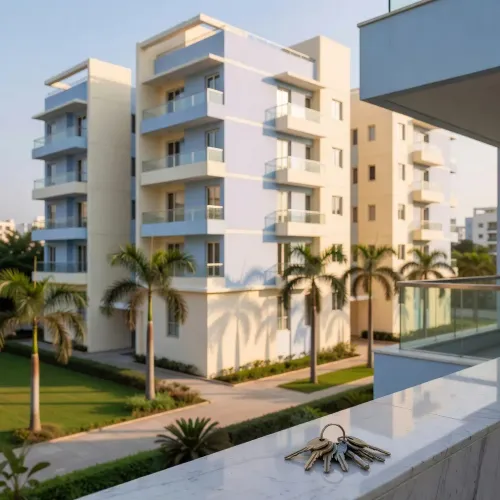
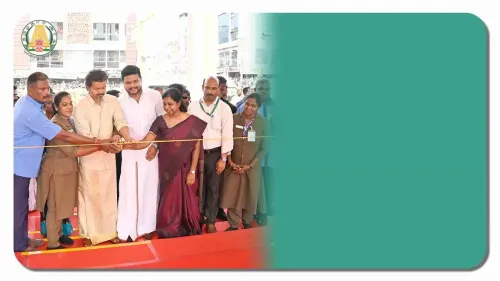
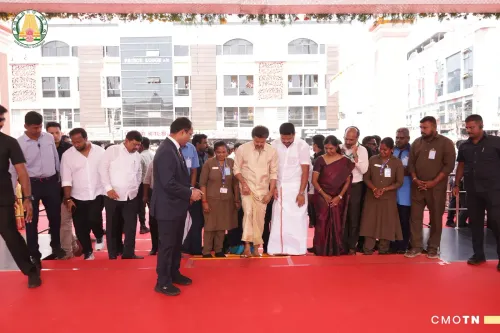
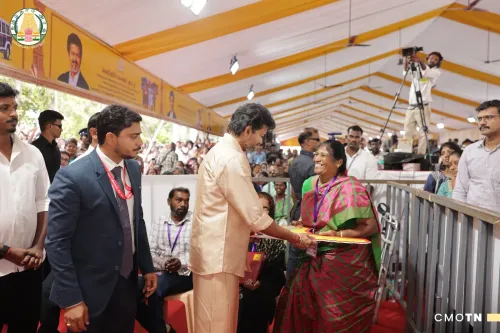
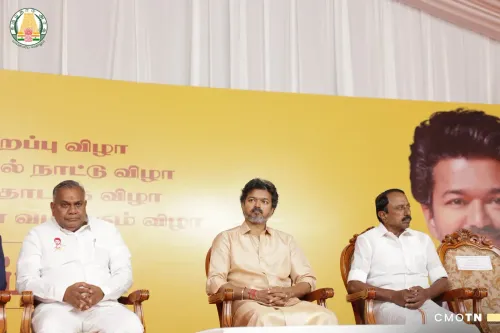
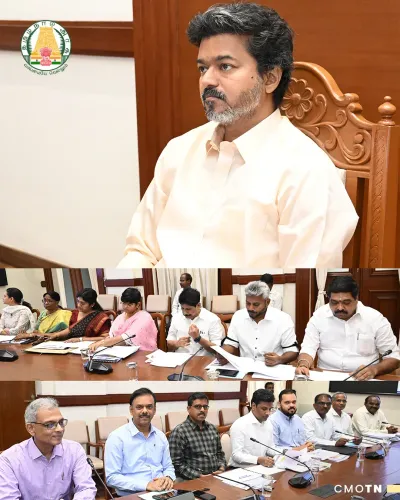
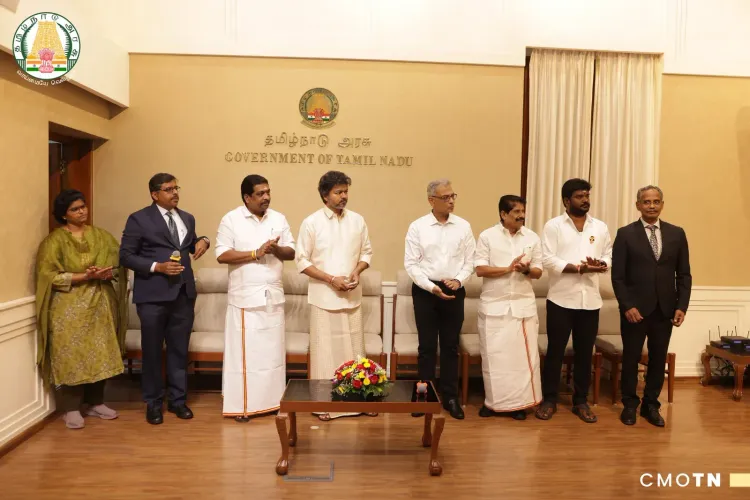
A city transforming one flat at a time — that is the quiet promise behind the numbers Tamil Nadu Chief Minister C. Joseph Vijay put on the map on Wednesday, 4 November 2026. Standing at the state secretariat in Chennai, he unlocked the keys to 768 new apartment units and commercial complexes across two districts, backed by a combined investment of over Rs 1,021 crore — signalling that the state's housing machinery is very much in motion.
643 flats and commercial spaces delivered across Chennai
The larger tranche covers 643 apartment units and commercial complexes built at various locations across Chennai District by the Tamil Nadu Housing Board (TNHB), at a cost of Rs 1,003 crore and 97 lakh. The projects fall under the state's Housing and Urban Development Department, which oversees policy and execution for all state-driven housing construction. For a capital city where urban land is scarce and demand unrelenting, delivering over six hundred units in a single inauguration marks a meaningful addition to the city's residential stock.
The Tamil Nadu Housing Board, established in 1961, has been the state's primary engine for affordable housing across income groups. Decades of operation have built the institutional muscle to execute multi-site projects simultaneously — a scale that few state-level agencies in India can match.
125 homes for Karur under the Urban Habitat Board
Away from the metropolitan glare, 125 apartment units were also inaugurated in the Kolanthagoundanur Scheme Area of Karur District, constructed by the Tamil Nadu Urban Habitat Development Board (TNUHDB) at a cost of Rs 17 crore and 56 lakh. TNUHDB specifically targets urban habitat improvement — particularly for lower-income settlements — making this Karur tranche a direct intervention in a district town where state-supported housing remains critical.
The dual-board approach — TNHB for broader urban stock, TNUHDB for targeted habitat improvement — reflects a layered state strategy: address Chennai's volume problem while simultaneously lifting smaller urban centres. Tamil Nadu also draws on Pradhan Mantri Awas Yojana (Urban) funding to supplement these state-board projects, stretching the government's housing rupee further.
A pattern of consistent state-led urban delivery
Tamil Nadu governments have used dedicated housing boards for over six decades to close the gap between housing demand and supply. Wednesday's inaugurations continue that arc — combining welfare objectives for low- and middle-income families with broader urban development goals as the state's cities keep growing.
The next pressure point to watch: subsequent phases under both boards and any fresh allocations in the state budget that could accelerate the pipeline beyond today's milestone.
Point of View
003-crore Chennai tranche reflects the pressure of metropolitan housing demand, while the smaller Karur project demonstrates political intent to extend state investment beyond the capital. Sustaining this pace will depend on how aggressively the state funds subsequent phases in its annual budget cycle, and whether central PMAY-Urban allocations keep pace with Tamil Nadu's growing pipeline.
NationPress
4 Nov 2026
Frequently Asked Questions
How many housing units did CM Joseph Vijay inaugurate on 4 November 2026?
CM C. Joseph Vijay inaugurated a total of 768 housing units — 643 apartments and commercial complexes in Chennai District and 125 apartments in Karur District.
What is the total cost of the housing projects inaugurated by Tamil Nadu CM Vijay?
The combined cost is over Rs 1,021 crore : Rs 1,003.97 crore for the Chennai projects and Rs 17.56 crore for the Karur project.
Who built the new apartments in Chennai inaugurated on 4 November 2026?
The Tamil Nadu Housing Board (TNHB) , under the Housing and Urban Development Department, constructed the 643 apartment units and commercial complexes across various locations in Chennai District.
What is the Tamil Nadu Urban Habitat Development Board?
The Tamil Nadu Urban Habitat Development Board (TNUHDB) is a state body focused on urban habitat improvement, particularly for lower-income settlements, and built the 125 flats in Karur's Kolanthagoundanur Scheme Area.
Where is the Kolanthagoundanur Scheme Area?
The Kolanthagoundanur Scheme Area is located in Karur District in western Tamil Nadu, where 125 new TNUHDB apartment units were inaugurated on 4 November 2026.