CM Vishnu Deo Sai joins Raipur's Navratri fervour
Synopsis
Chhattisgarh CM Vishnu Deo Sai on 18 October 2026 celebrated Raipur's Navratri festivities on X, sharing a video of Durga pandals and Garba events and calling them a symbol of love, unity, and the state's rich cultural heritage.
Key Takeaways
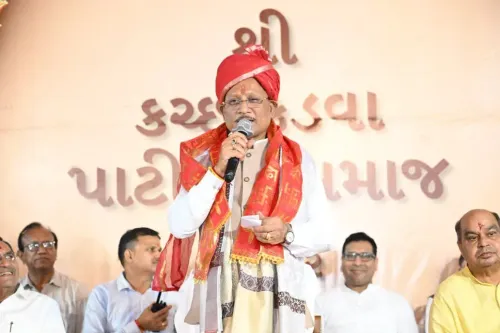
CM Vishnu Deo Sai posted on 18 October 2026 about Navratri celebrations in Raipur , sharing a video from pandals and Garba events.
He described the capital as 'drenched in the devotion of Maa Durga and the joy of Garba.' The post linked the festivals to values of 'love, unity, and harmony' and preservation of cultural traditions.
Hashtags used included #CGNavratri2026 and #महतारी_का_सम्मान , part of a broader state cultural messaging campaign.
Chhattisgarh's Navratri celebrations blend pan-Indian Garba traditions with the state's local heritage, drawing wide community participation.
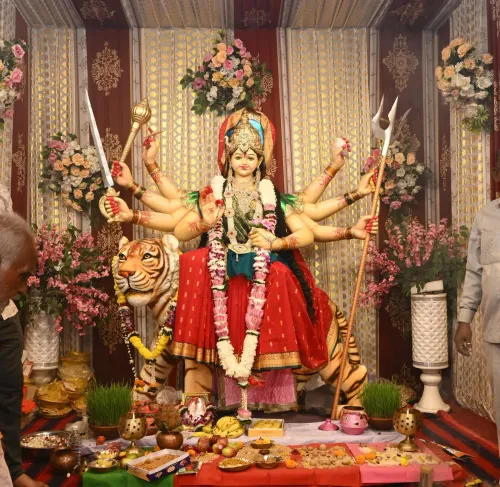
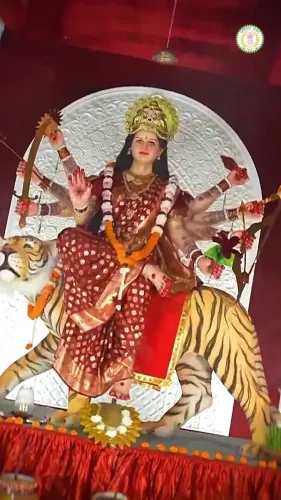
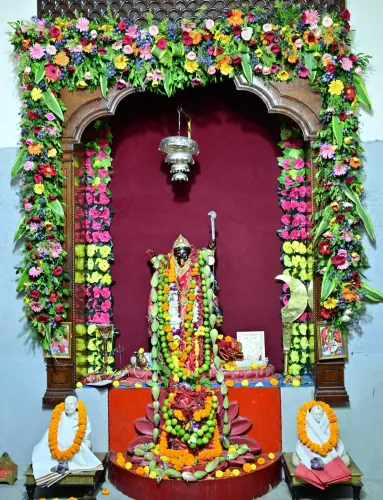
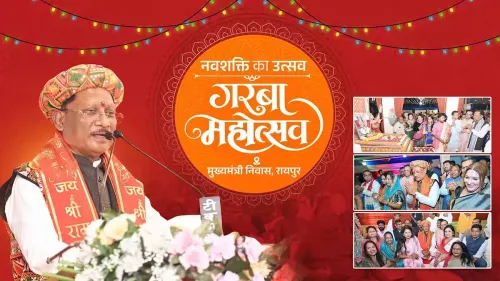
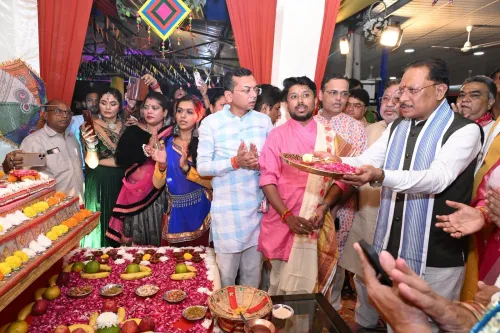
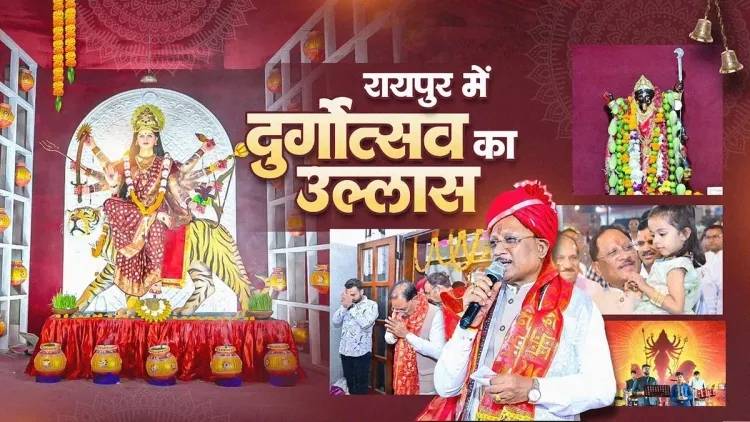
Durga pandals lit up every corner of Raipur and Garba circles spun through the night — and on Sunday, 18 October 2026, Chhattisgarh Chief Minister Vishnu Deo Sai captured that devotional energy in a heartfelt post on X, sharing glimpses of the capital's Navratri celebrations and calling them a living proof of the state's rich cultural traditions.
Writing in Hindi, the Chief Minister described Raipur as being 'drenched in the devotion of Maa Durga and the joy of Garba' — 'माँ दुर्गा की भक्ति और गरबा के उल्लास से सराबोर' — as various Durga pandals and Garba events across the city drew devotees in large numbers during the auspicious nine nights.
Raipur's pandals and Garba nights take centre stage
Navratri in Raipur is one of Chhattisgarh's most publicly visible celebrations, blending pan-Indian Garba traditions with the state's own cultural fabric. Elaborately decorated Durga pandals draw neighbourhood communities together, while Garba events run late into the night across the city's grounds and open spaces. CM Sai's post — accompanied by a video — put that colour on the national timeline.
The Chief Minister framed the festivities not merely as religious observance but as a social compact: these celebrations, he wrote, 'strengthen the spirit of love, unity, and harmony in society while preserving our rich traditions.' The hashtags #CGNavratri2026 and #महतारी_का_सम्मान tied the post to a broader state-level messaging thread that positions cultural festivals as pillars of community cohesion.
Festival diplomacy and Chhattisgarh's cultural calendar
For Indian state governments, major Hindu festivals are rarely just occasions for celebration — they are also moments of political and cultural signalling. Chief ministers across the country routinely step into the festive frame to reinforce a sense of shared identity, and CM Sai, who took office in December 2023 after the BJP's decisive victory in the Chhattisgarh assembly elections, has consistently used such occasions to project a message of inclusive cultural pride.
Chhattisgarh's public festival calendar is distinctive in that it weaves together local tribal heritage and mainstream Hindu observances — a balancing act the state government has long cultivated. Navratri sits at the intersection of both, drawing participation that cuts across community lines in a state with a significant tribal population.
When a chief minister posts a Navratri video, the camera is pointed not just at the goddess — it is pointed at governance, identity, and belonging. Raipur's illuminated pandals are the backdrop; the real image being projected is of a state that celebrates together.
Point of View
Framing Navratri as a vehicle for unity rather than just religious observance is a deliberate political choice. The hashtag cluster around 'Mahtari ka Samman' also ties the post to the state government's ongoing brand of women-centric welfare messaging. It is routine, but it is not accidental.
NationPress
18 Oct 2026
Frequently Asked Questions
What did CM Vishnu Deo Sai say about Navratri 2026 in Raipur?
CM Vishnu Deo Sai described Raipur as being 'drenched in the devotion of Maa Durga and the joy of Garba,' saying the festivals strengthen love, unity, and harmony while preserving Chhattisgarh's rich cultural traditions.
Where are the main Navratri celebrations held in Chhattisgarh?
Raipur, the state capital, is the primary hub for Navratri celebrations in Chhattisgarh, hosting large Durga pandals and Garba events that draw devotees from across the region.
Who is Vishnu Deo Sai?
Vishnu Deo Sai is a BJP leader who was sworn in as Chief Minister of Chhattisgarh in December 2023 following the party's victory in the state assembly elections.
What is the significance of Navratri in Chhattisgarh?
Navratri in Chhattisgarh blends pan-Indian traditions like Garba with the state's own cultural heritage, bringing together diverse communities and serving as a major fixture on the state's public festival calendar.
What does the hashtag CGNavratri2026 mean?
'CGNavratri2026' stands for Chhattisgarh Navratri 2026 and was used by CM Sai and others to tag social media content related to the state's Navratri celebrations this year.