CM Vishnu Deo Sai Pays Tribute on Guru Amar Das Ji's Jyoti-Jyot Divas
Synopsis
Chhattisgarh Chief Minister Vishnu Deo Sai paid tribute on 26 September 2026 to Guru Amar Das Ji — Third Guru of the Sikh faith — on his Jyoti-Jyot Divas, invoking his teachings on equality, service, and social harmony as inspiration for public welfare.
Key Takeaways
Guru Amar Das Ji's Jyoti-Jyot Divas was observed on 26 September 2026 , marking the passing of the Third Sikh Guru.
CM Vishnu Deo Sai offered tribute on X, citing the Guru's teachings on equality, service, compassion, and social harmony.
Guru Amar Das Ji served as the Third Sikh Guru from 1552 to 1574 and is credited with institutionalising langar and promoting caste and gender equality.
The term Jyoti-Jyot signifies a Guru's soul merging with the divine — distinct from ordinary death in Sikh tradition.
Public tributes by elected representatives on Sikh Guru commemorative days are a broad-based practice across Indian political parties and states.
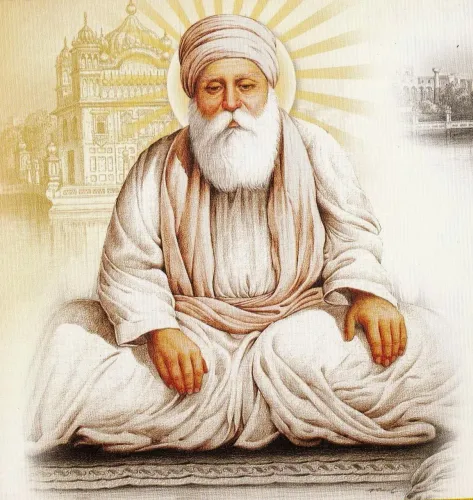
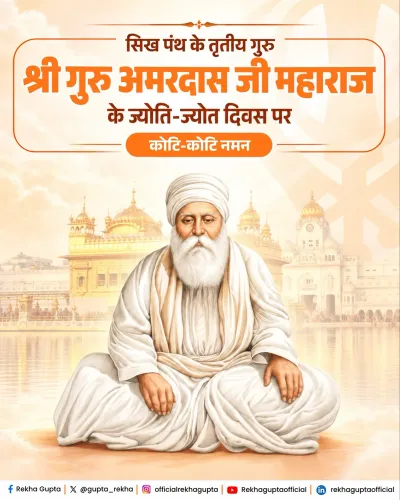
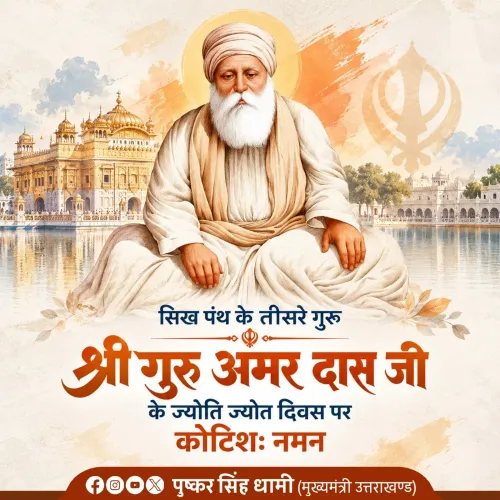
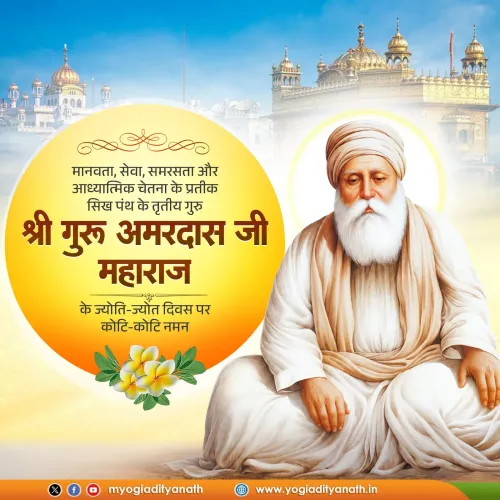
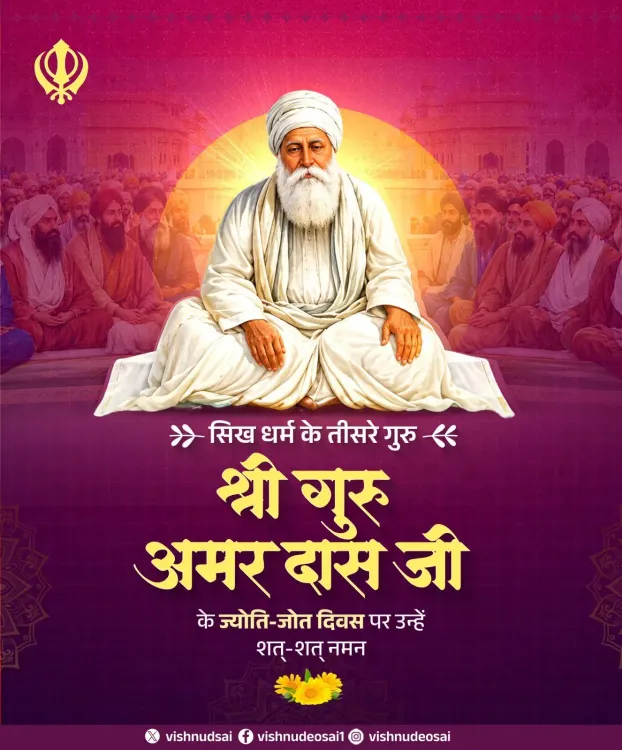
On the occasion of the Jyoti-Jyot Divas of Guru Amar Das Ji — the Third Guru of the Sikh faith — Chhattisgarh Chief Minister Vishnu Deo Sai offered his reverence on Saturday, 26 September 2026, hailing the Guru's enduring teachings on equality, service, and social harmony.
Posting on X in Hindi, the Chief Minister wrote: 'सिख धर्म के तृतीय गुरु, महान संत श्री गुरु अमरदास जी के ज्योति-ज्योत दिवस पर उन्हें कोटि-कोटि नमन।' ('Humble salutations in crores to the great saint Guru Amar Das Ji, the Third Guru of the Sikh faith, on his Jyoti-Jyot Divas.') He added that Guru Amar Das Ji's message of equality, service, compassion, and social harmony 'will continue to inspire society to move forward on the path of service and public welfare.'
Who Was Guru Amar Das Ji — and Why His Legacy Endures
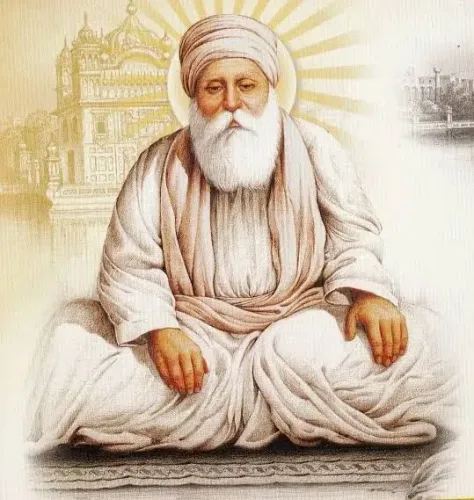
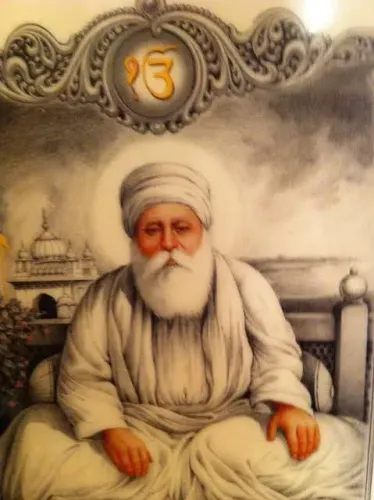
Guru Amar Das Ji served as the Third Sikh Guru from 1552 to 1574, a tenure that left a deep institutional mark on the faith. He is widely credited with strengthening the tradition of langar — the community kitchen that feeds all visitors regardless of caste, creed, or status — as a living expression of equality. He also championed the rights of women and worked to dismantle caste discrimination at a time when such ideas were radical.
His organisational work expanded the Sikh community through a structured missionary system, laying foundations that successive Gurus would build upon. Jyoti-Jyot — literally 'light merging into light' — is the Sikh term for the passing of a Guru, signifying the soul's union with the divine rather than mere death. The annual observance is marked by prayers and congregations at gurdwaras across India and the Sikh diaspora worldwide.
A Ritual of Respect That Carries Political Weight
Chief Ministers and senior elected representatives across party lines routinely issue public tributes on the commemorative days of Sikh Gurus — a practice that reflects both genuine cultural acknowledgement and the political reality of Sikh communities spread across Indian states. For Chhattisgarh, the gesture underscores the state government's engagement with diverse religious communities within its borders.
CM Sai's message, centred on the values of samanta, seva, karuna aur samajik sadbhav (equality, service, compassion, and social harmony), frames Guru Amar Das Ji's centuries-old teachings as active guidance for contemporary governance and public welfare — not merely a historical remembrance.
Point of View
But the choice of language matters — CM Sai's explicit invocation of 'public welfare' links a religious occasion to a governance value, framing the tribute as policy inspiration rather than mere protocol. For a BJP-governed state like Chhattisgarh, such messaging also signals inclusive outreach toward Sikh communities at a time when the party works to consolidate its presence beyond its traditional base. The emphasis on langar-rooted equality and seva resonates with BJP's own 'service to nation' rhetoric, creating a quiet ideological alignment. Over time, the consistency of these observances by state functionaries will signal how deeply cultural engagement is woven into Chhattisgarh's governance calendar.
NationPress
26 Sept 2026
Frequently Asked Questions
What is Jyoti-Jyot Divas in Sikhism?
Jyoti-Jyot Divas marks the day a Sikh Guru's soul merged with the divine — the Sikh way of describing a Guru's passing. It is observed with prayers and congregations at gurdwaras to honour the Guru's life and teachings.
Who was Guru Amar Das Ji?
Guru Amar Das Ji was the Third Guru of Sikhism, who served from 1552 to 1574. He is renowned for strengthening the langar tradition, championing equality across castes and genders, and expanding the Sikh community through organised missionary work.
What did Chhattisgarh CM Vishnu Deo Sai say about Guru Amar Das Ji?
CM Vishnu Deo Sai offered 'crores of salutations' to Guru Amar Das Ji on his Jyoti-Jyot Divas and said his message of equality, service, compassion, and social harmony will continue to inspire society toward public welfare.
What is the significance of langar associated with Guru Amar Das Ji?
Langar is the Sikh tradition of a community kitchen that serves food to all people regardless of caste, religion, or status. Guru Amar Das Ji is credited with institutionalising and strengthening this practice as a concrete expression of equality.
Why do Indian politicians pay tribute on Sikh Guru commemorative days?
Elected representatives across parties routinely mark Sikh Guru commemorative days to acknowledge the Gurus' teachings and engage with Sikh communities. It reflects both cultural respect and political outreach in states with significant Sikh populations or historical gurdwaras.