CM Dhami Secures 73 MW Winter Power for Uttarakhand
Synopsis
The Centre has approved a month-wise allocation of 73 MW of additional power to Uttarakhand from the central unallocated pool, covering October 2026 to March 2027, to meet seasonal winter demand. CM Dhami thanked PM Modi and Union Power Minister Khattar for the approval.
Key Takeaways
The Central Government approved 73 MW of additional power for Uttarakhand from the central sector unallocated pool.
The allocation runs month-by-month from 1 October 2026 to March 2027 , peaking at 19 MW in January 2027 .
Monthly breakdown: October 5 MW, November 8 MW, December 16 MW, January 19 MW, February 16 MW, March 9 MW.
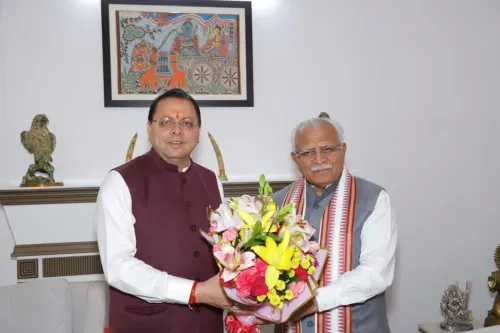
CM Pushkar Singh Dhami thanked PM Modi and Union Power Minister Manohar Lal Khattar for the approval.
The allocation draws from the Ministry of Power's unallocated pool — a standard seasonal support mechanism for hill and northern states.
Uttarakhand faces a recurring winter shortfall as reduced river flows cut hydro output while heating demand rises.
As Himalayan temperatures begin their annual descent, Uttarakhand has locked in a crucial winter energy lifeline. The Chief Minister's Office of Uttarakhand announced on Saturday, 26 September 2026, that the Central Government has approved additional power allocation for the state from the unallocated pool of central sector generating stations — a month-by-month commitment stretching from October 2026 through March 2027.
The announcement, made via the Chief Minister's Office on X, laid out the allocation with striking monthly precision: 5 MW in October, 8 MW in November, 16 MW in December, 19 MW in January 2027, 16 MW in February, and 9 MW in March — totalling 73 MW across the six-month winter window. The arrangement takes effect from 1 October 2026.
Why January Gets the Largest Slice
The month-wise curve tells its own story. January's peak of 19 MW aligns precisely with Uttarakhand's coldest stretch, when heating loads in hill districts drive electricity demand to its seasonal high. The allocation then tapers through February and March as temperatures ease — a shape that mirrors the state's actual consumption arc rather than a flat bureaucratic number.
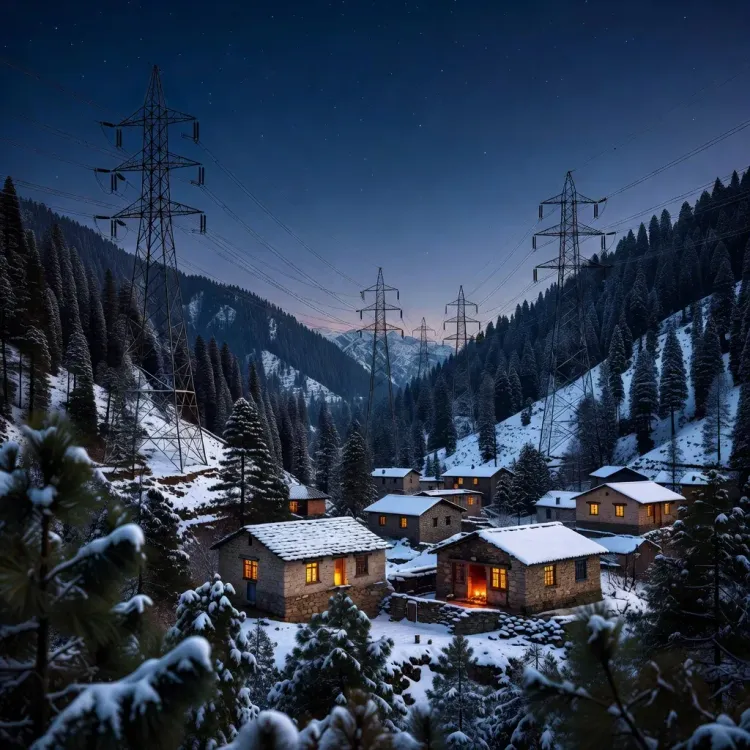
Uttarakhand, despite being a significant hydropower producer itself, routinely faces seasonal shortfalls. Winter months reduce river flows, trimming run-of-river hydro output at exactly the moment residential and commercial heating demand spikes. The gap is real, and it falls on state utilities to bridge it.
How the Centre's Unallocated Pool Works
The Ministry of Power maintains a reserve quota — the 'unallocated pool' — carved out of generation from central sector plants. This pool is not permanently assigned to any state; instead, it is periodically distributed to address short-term regional demand shortfalls. Northern and hill states have long been among its primary beneficiaries during winter cycles, making this allocation consistent with an established Centre-state power-sharing mechanism rather than a one-off political gesture.
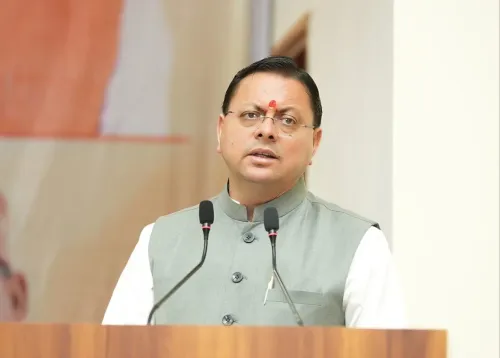
Chief Minister Pushkar Singh Dhami publicly thanked Prime Minister Narendra Modi and Union Minister of Power Manohar Lal Khattar for the approval. 'Isse pradesh mein nirbadh vidyut aapurti sunishchit karne mein madad milegi' — 'This will help ensure uninterrupted power supply across the state,' Dhami said.
What Uttarakhand's Residents Can Expect
For households in high-altitude towns — Mussoorie, Nainital, Tehri, Pithoragarh — the allocation signals a governmental commitment to keeping the lights on through the harshest months. Power cuts during peak winter nights are not merely uncomfortable in a Himalayan state; they carry genuine public-health stakes.
The proof will be in the drawal. Whether state utilities actually pull the full allocated quantum each month, and how it translates into grid stability on the ground, is the metric that matters from here.
Point of View
Time-bound, and drawn from an existing reserve rather than new infrastructure. For CM Dhami, securing a committed monthly quantum before winter sets in is both a governance deliverable and a political signal ahead of colder months when power reliability directly affects citizen sentiment. The month-wise granularity of the order is notable: it suggests the request was backed by actual demand projections, not a round-number ask. Longer term, Uttarakhand's dependence on central top-ups each winter underscores a structural gap between the state's hydro generation potential and its winter-ready transmission and storage capacity — a gap no seasonal allocation can permanently close.
NationPress
26 Sept 2026
Frequently Asked Questions
How much additional power has the Centre allocated to Uttarakhand for winter 2026-27?
The Centre has allocated a total of 73 MW of additional power to Uttarakhand for the six-month period from October 2026 to March 2027, drawn from the central sector unallocated pool.
What is the month-wise power allocation for Uttarakhand this winter?
October: 5 MW, November: 8 MW, December: 16 MW, January 2027: 19 MW, February: 16 MW, and March: 9 MW — totalling 73 MW over six months.
Why does Uttarakhand need extra power in winter despite being a hydropower state?
River flows drop significantly in winter, reducing run-of-river hydro output. Simultaneously, heating demand from residents in high-altitude areas spikes, creating a seasonal supply gap that requires central support.
What is India's central sector unallocated power pool?
The Ministry of Power reserves a portion of generation from central sector plants as an 'unallocated pool,' which is periodically distributed to states facing short-term peak demand shortfalls — especially hill and northern states in winter.
Who approved the winter power allocation for Uttarakhand in 2026?
The allocation was approved by the Central Government. CM Pushkar Singh Dhami specifically thanked Prime Minister Narendra Modi and Union Minister of Power Manohar Lal Khattar for facilitating the approval.