CM Mohan Yadav marks 6 years of PM SVANidhi scheme
Synopsis
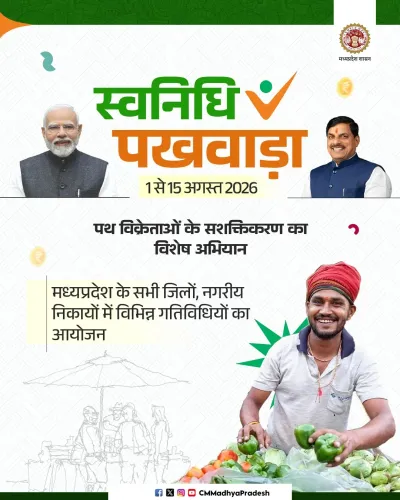
Madhya Pradesh CM Dr. Mohan Yadav marked six years of PM SVANidhi on June 1, 2026, crediting the scheme with uplifting over nine lakh street vendors in the state and giving lakhs more across India a dignified livelihood through collateral-free micro-credit.
Key Takeaways
Madhya Pradesh CM Dr.
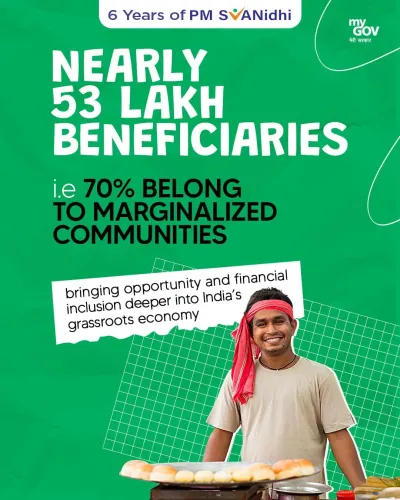
Mohan Yadav marked the sixth anniversary of the PM SVANidhi scheme on June 1, 2026 .
The scheme was launched in June 2020 to provide collateral-free working capital loans to street vendors affected by COVID-19 disruptions.
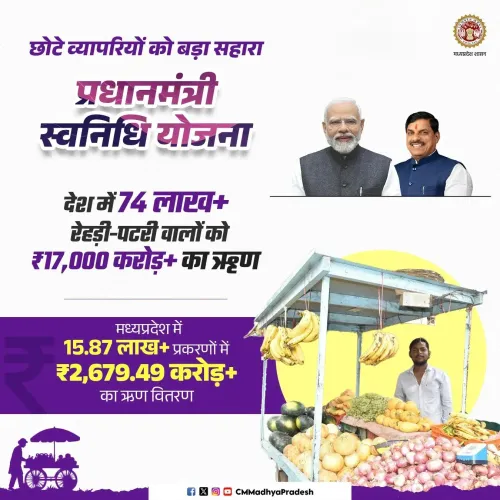
Yadav stated that over 9 lakh street vendors in Madhya Pradesh have benefited from the programme.
PM SVANidhi offers loans ranging from Rs 10,000 up to Rs 50,000 in tranches, with interest subsidies and digital onboarding.
The scheme is part of the central government's broader push for financial inclusion of informal-sector workers.
Madhya Pradesh Chief Minister Dr. Mohan Yadav on Monday, June 1, 2026, marked the sixth anniversary of the PM SVANidhi scheme, crediting the central micro-credit programme with transforming the livelihoods of street vendors across the country and highlighting that over nine lakh vendors in Madhya Pradesh have benefited from the initiative.
Context
In his post, Dr. Yadav wrote: 'छोटे विक्रेताओं के सम्मान का आधार बनी पीएम स्वनिधि' ('PM SVANidhi has become the foundation of dignity for small vendors'). He credited the scheme to the leadership of Prime Minister Narendra Modi, stating it has given 'new wings to the dreams' of lakhs of street vendors across India and enabled them to live with dignity.
The post was accompanied by the hashtag #6YearsofPMSVANidhi, marking six years since the scheme's launch in June 2020.
Policy Backdrop
The PM Street Vendor's AtmaNirbhar Nidhi (PM SVANidhi) scheme was launched by the central government in June 2020 to provide collateral-free working capital loans to street vendors whose livelihoods were disrupted by COVID-19 restrictions. The scheme offers loans in tranches — starting at Rs 10,000 and scaling up to Rs 50,000 — with interest subsidies and digital onboarding to encourage financial inclusion in the informal sector.
The programme is part of a broader post-2020 push by the central government to bring informal-sector workers into the formal financial ecosystem. Vendors who repay on time become eligible for higher loan tranches, incentivising credit discipline among a segment traditionally excluded from institutional lending.
Stakeholders and Impact
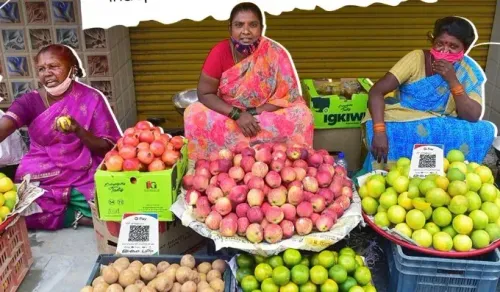
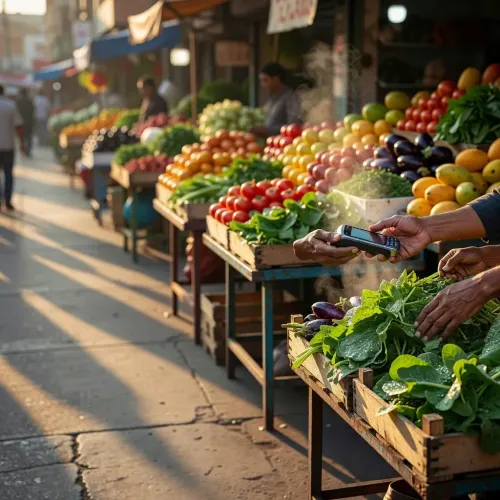
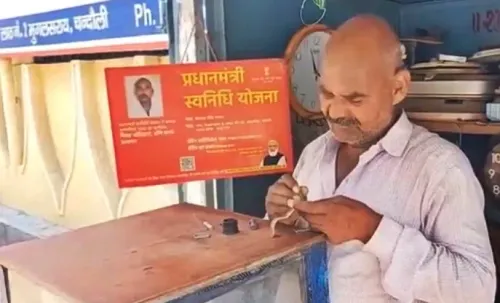
The primary beneficiaries are urban and semi-urban rehdi-patri (street stall and cart) vendors — a large and economically vulnerable group that includes fruit sellers, vegetable vendors, cobblers, and small food stall operators. Dr. Yadav's post highlights Madhya Pradesh as a significant contributor to national uptake, with the state reporting over nine lakh beneficiaries.
Financial inclusion for this segment has downstream effects on household consumption, children's education, and access to formal credit for the first time. Multiple states have reported strong uptake, indicating the scheme's reach beyond its original COVID-relief mandate.
What's Next
With the scheme completing six years, attention will now turn to state-level disbursement data and whether the central or state budgets propose an extension or expansion of the programme's loan ceiling and coverage. Madhya Pradesh's reported beneficiary numbers will likely feature in the BJP's governance narrative ahead of future electoral cycles, with the party keen to showcase welfare delivery at the grassroots level.
Point of View
Timed to the sixth anniversary of a scheme that sits at the intersection of financial inclusion and BJP's outreach to the urban poor. By foregrounding Madhya Pradesh's beneficiary count, he is staking a claim for the state's implementation record within the broader national narrative. The move fits a pattern where state BJP governments use central scheme milestones to reinforce their own administrative credibility. With assembly politics always on the horizon, welfare delivery to informal-sector workers — a numerically significant and politically persuadable group — is an increasingly important part of the party's messaging architecture.
NationPress
23 Sept 2026
Frequently Asked Questions
What is the PM SVANidhi scheme?
PM SVANidhi (PM Street Vendor's AtmaNirbhar Nidhi) is a central government scheme launched in June 2020 to provide collateral-free working capital loans to street vendors, with loan amounts ranging from Rs 10,000 to Rs 50,000 in tranches, along with interest subsidies and digital onboarding support.
How many street vendors in Madhya Pradesh have benefited from PM SVANidhi?
According to Madhya Pradesh Chief Minister Dr. Mohan Yadav's post on June 1, 2026, over nine lakh street vendors in the state have benefited from the PM SVANidhi scheme.
When was PM SVANidhi launched and why?
PM SVANidhi was launched in June 2020 by the central government under Prime Minister Narendra Modi to support street vendors whose livelihoods were disrupted by COVID-19 restrictions and to bring them into the formal financial system.
What loans does PM SVANidhi offer to street vendors?
The scheme offers collateral-free loans starting at Rs 10,000, with vendors eligible for higher tranches up to Rs 50,000 upon timely repayment. It also provides interest subsidies and facilitates digital transactions.
Why is CM Mohan Yadav talking about PM SVANidhi?
CM Dr. Mohan Yadav posted about PM SVANidhi to mark its sixth anniversary on June 1, 2026, highlighting the scheme's impact on street vendors in Madhya Pradesh and crediting Prime Minister Narendra Modi's leadership for the programme's success.