CM Mohan Yadav Marks World Rural Development Day
Synopsis
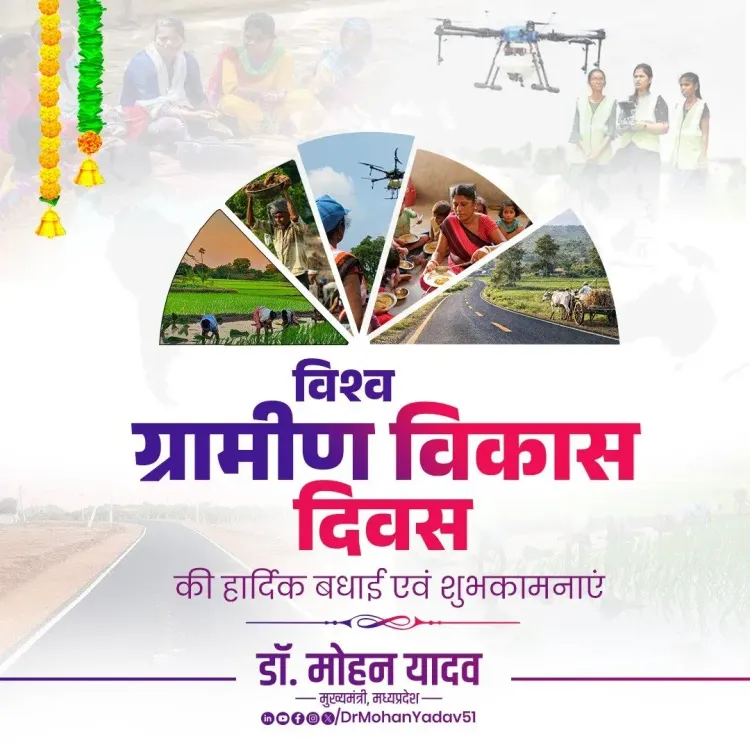
MP Chief Minister Dr. Mohan Yadav greeted the nation on World Rural Development Day, spotlighting PM Modi's flagship rural schemes — housing, roads, sanitation, water, and women's self-reliance — as pillars of a developed India.
Key Takeaways
Mohan Yadav extended greetings on World Rural Development Day on 7 July 2026 .
He credited PM Narendra Modi's leadership for giving 'greater momentum and new direction' to rural development.
Key schemes cited include Pradhan Mantri Awas Yojana (Gramin) , Jal Jeevan Mission , Swachh Bharat Mission , and PM Gram Sadak Yojana .
Women's self-reliance through self-help groups under the Deendayal Antyodaya Yojana–NRLM was highlighted as a key pillar.
The CM called for active public participation in strengthening the rural development resolve.
Madhya Pradesh's PMAY-G and Jal Jeevan Mission progress in 2026–27 will be a key indicator of on-ground delivery.
Madhya Pradesh Chief Minister Dr. Mohan Yadav on Monday, 7 July 2026 extended greetings on World Rural Development Day, highlighting the Union government's rural welfare initiatives and crediting Prime Minister Narendra Modi's leadership for accelerating comprehensive development in India's villages.
Context
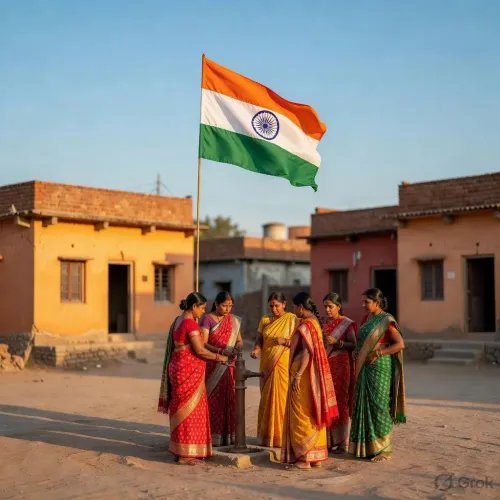
In his post, Dr. Yadav wrote: 'विश्व ग्रामीण विकास दिवस की सभी को हार्दिक बधाई व शुभकामनाएं' ('Warm congratulations and best wishes to all on World Rural Development Day'). He stated that efforts spanning housing, roads, sanitation, drinking water, digital facilities, rural infrastructure expansion, and women's empowerment have given 'greater momentum and a new direction' to the all-round development of rural India.
The Chief Minister concluded with a call to action: 'Prosperous, empowered and self-reliant villages are the strong foundation of a developed India. Let us all play an active role in further strengthening the resolve for rural development.'
Policy Backdrop
The programmes referenced in the post span several flagship central schemes. The Pradhan Mantri Awas Yojana (Gramin), relaunched in 2015, targets delivery of pucca houses to the rural poor. The Jal Jeevan Mission, announced in 2019, aims to provide functional household tap connections to every rural home, while the Swachh Bharat Mission, launched in October 2014, drove sanitation coverage across villages.
Connectivity has been addressed through Pradhan Mantri Gram Sadak Yojana Phase-III, approved in 2019 for all-weather rural road links. Women's economic agency has been promoted via the Deendayal Antyodaya Yojana–National Rural Livelihoods Mission, which has expanded women's self-help groups significantly since 2014. Together, these schemes form the backbone of the Atmanirbhar Bharat framework at the village level.
Stakeholders and Impact
The primary beneficiaries of these programmes are rural households across India, with particular emphasis on women in villages gaining access to livelihood support through self-help groups. Madhya Pradesh, as one of India's larger states by rural population, is a significant implementation ground for all these centrally-sponsored schemes.
State governments, including Madhya Pradesh, are responsible for ground-level delivery, monitoring, and fund utilisation. The convergence of housing, water, sanitation, and digital infrastructure is intended to reduce rural-urban disparity and support the broader goal of a 'Viksit Bharat' (Developed India).
What's Next
Attention will now turn to Madhya Pradesh's budget allocations and physical progress reports for PMAY-G and the Jal Jeevan Mission during the 2026–27 financial year. The pace of scheme completion in the state will be a key indicator of how effectively the rural development resolve articulated on this occasion translates into measurable outcomes on the ground.
Point of View
Water, roads, sanitation, digital infrastructure, women's empowerment) maps almost exactly onto the BJP's core rural voter outreach architecture built since 2014. By invoking 'Viksit Bharat' and 'Atmanirbhar Bharat,' the CM ties state-level implementation to the national vision, a pattern common among BJP chief ministers seeking to demonstrate ideological coherence with the Centre. The forward-looking call for 'active participation' also subtly positions the party as a movement rather than merely an administration.
NationPress
5 Oct 2026
Frequently Asked Questions
What is World Rural Development Day?
World Rural Development Day is an annual observance dedicated to highlighting efforts for rural progress, including infrastructure, livelihoods, and welfare. It is marked by governments and organisations globally.
What did CM Mohan Yadav say on World Rural Development Day 2026?
CM Dr. Mohan Yadav extended greetings and credited PM Narendra Modi's leadership for accelerating rural development through schemes covering housing, roads, sanitation, drinking water, digital facilities, and women's empowerment.
Which rural schemes did CM Mohan Yadav refer to in his post?
While he did not name specific schemes, his post referenced areas covered by Pradhan Mantri Awas Yojana (Gramin), Jal Jeevan Mission, Swachh Bharat Mission, PM Gram Sadak Yojana, and Deendayal Antyodaya Yojana–NRLM.
What is the Jal Jeevan Mission?
The Jal Jeevan Mission, announced in 2019, is a central government scheme aimed at providing functional household tap water connections to every rural home across India.
How is Madhya Pradesh involved in rural development schemes?
As a state government, Madhya Pradesh is responsible for implementing centrally-sponsored rural schemes including PMAY-G and Jal Jeevan Mission, with progress tracked through digital monitoring systems.