CM Mohan Yadav Credits Modi's 12 Years of Garib Kalyan Schemes
Synopsis
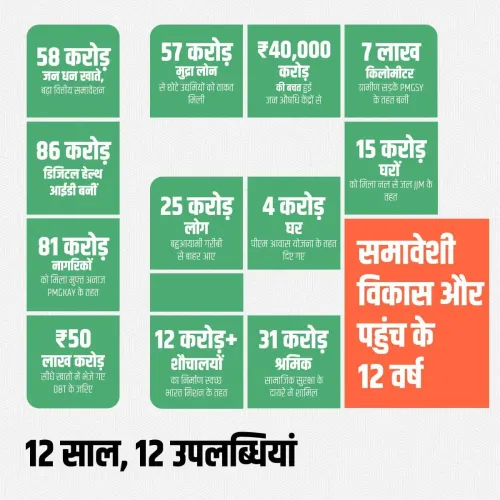
Madhya Pradesh CM Dr. Mohan Yadav praised PM Modi's 12-year welfare record on June 8, 2026, saying roughly 25 crore people have exited poverty through schemes including Ayushman Bharat, PM-KISAN, Ujjwala and DBT-linked housing and food support.
Key Takeaways
MP Chief Minister Dr.
Mohan Yadav posted on June 8, 2026 crediting PM Narendra Modi with 12 years of sustained welfare delivery under the #12YearsOfGaribKalyan campaign.
The post claims approximately 25 crore people have been lifted out of poverty — a figure drawn from official government estimates pending independent verification.
Ten flagship schemes are named: PM Awas Yojana, PM-KISAN, Ujjwala Yojana, Suraksha Bima Yojana, Mudra Yojana, SVANidhi Yojana, toilet construction, free ration, Ayushman Bharat and DBT.
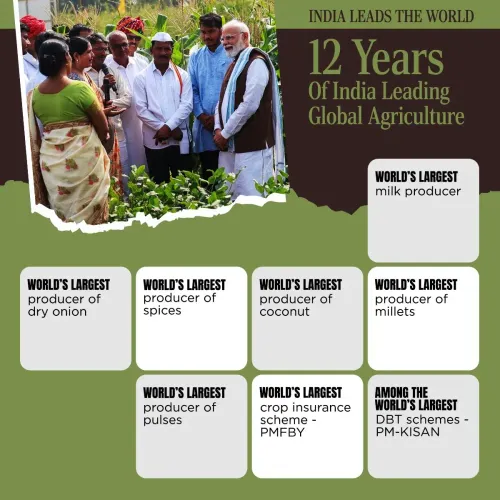
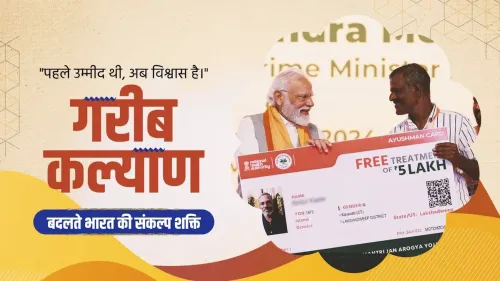
Ayushman Bharat provides up to Rs 5 lakh annual health cover ; PM-KISAN transfers Rs 6,000 per year to farmer families.
The Direct Benefit Transfer system, enabled by Jan Dhan bank accounts, underpins most of these schemes by routing funds directly to beneficiaries.
Updated NITI Aayog multidimensional poverty estimates and 2026-27 Union Budget scheme allocations will be the next key data points to watch.
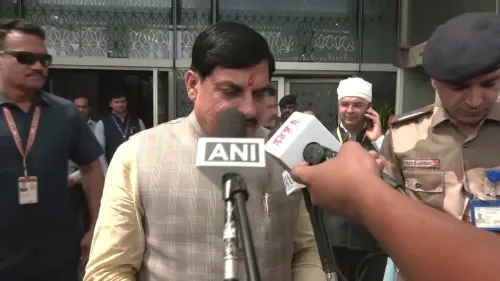
Madhya Pradesh Chief Minister Dr. Mohan Yadav on Monday, June 8, 2026, praised Prime Minister Narendra Modi's welfare record, saying that 12 years of targeted poverty-alleviation initiatives have lifted approximately 25 crore people out of poverty. The Chief Minister cited a range of flagship central schemes as evidence of the government's commitment to the principle of 'Antyodaya se Rashtrouday' — 'from the upliftment of the last person to the rise of the nation.'
Context
Dr. Yadav's post, shared under the hashtag #12YearsOfGaribKalyan, is part of a broader BJP-led campaign marking over a decade of the Modi government's welfare push. He wrote that the Prime Minister has worked 'tirelessly for Garib Kalyan (poor welfare)' and has ensured that 'every poor person's entitlement reaches directly into their hands.' The post lists ten central schemes by name, spanning housing, health, fuel, credit and food security.
The claim that roughly 25 crore people have crossed the poverty line is attributed to official government estimates; independent verification of the precise figure is pending updated multidimensional poverty data.
Policy Backdrop
Pradhan Mantri Awas Yojana, launched in 2015, targets construction of pucca houses for rural and urban poor families. Pradhan Mantri Ujjwala Yojana, initiated in 2016, provided LPG connections to women from below-poverty-line households to replace traditional solid-fuel cooking. Ayushman Bharat, started in 2018, extends health cover of up to Rs 5 lakh per year to economically vulnerable families.
PM-KISAN, rolled out in 2019, transfers Rs 6,000 annually to landholding farmer families. PM Mudra Yojana and PM SVANidhi Yojana extend collateral-free credit to micro-enterprises and street vendors respectively. Underpinning all of these is the Direct Benefit Transfer (DBT) architecture, scaled nationally after 2014 to reduce leakages in subsidy delivery, itself enabled by the Pradhan Mantri Jan Dhan Yojana bank-account drive launched that same year.
The Swachh Bharat Mission, also begun in 2014, funded construction of household toilets — a scheme Dr. Yadav specifically names in his post alongside free ration distribution under the Pradhan Mantri Garib Kalyan Anna Yojana framework.
Stakeholders and Impact
The schemes collectively target rural and urban poor households, women, smallholder farmers, micro-entrepreneurs and street vendors — constituencies that together represent a substantial share of India's population. DBT linkage has allowed the central government to route benefits directly to beneficiaries' bank accounts, reducing intermediary leakages that were a persistent problem under earlier welfare architectures.
For Madhya Pradesh, a state with a large agrarian and tribal population, schemes such as PM-KISAN, Ujjwala and Ayushman Bharat carry particular electoral and developmental salience. Chief Ministers from BJP-governed states have regularly amplified central welfare messaging, reinforcing the party's positioning as the primary vehicle of pro-poor governance at both state and national levels.
What's Next
Attention will now turn to forthcoming NITI Aayog releases on updated multidimensional poverty estimates, which will either substantiate or qualify the 25 crore figure cited in official messaging. Any revisions to scheme coverage or funding allocations in the 2026-27 Union Budget cycle will also be closely watched by welfare economists and opposition parties alike. The sustained amplification of this narrative by state-level BJP leaders suggests the #12YearsOfGaribKalyan campaign will remain a central plank of the party's political communication in the months ahead.
Point of View
Elevating routine scheme enumeration into an ideological statement. The 25-crore poverty-exit figure, while sourced from official estimates, will face scrutiny as NITI Aayog prepares updated multidimensional poverty data, making the timing of this campaign messaging strategically significant. Collectively, such coordinated amplification across state-level BJP leaders signals that welfare delivery — and its measurable outcomes — will remain the party's primary electoral narrative heading into the next cycle of state and national elections.
NationPress
26 Oct 2026
Frequently Asked Questions
What is the 12 Years of Garib Kalyan campaign?
The #12YearsOfGaribKalyan campaign marks over a decade of PM Modi's welfare programmes since 2014, highlighting schemes such as Ayushman Bharat, PM-KISAN, Ujjwala Yojana and DBT-linked housing and food support aimed at reducing poverty across India.
How many people have been lifted out of poverty under Modi government schemes?
Official government messaging, as cited by MP CM Dr. Mohan Yadav , claims approximately 25 crore people have crossed the poverty line; this figure is drawn from official estimates and awaits confirmation from updated NITI Aayog multidimensional poverty data.
What is Ayushman Bharat and who does it cover?
Ayushman Bharat , launched in 2018 , is a national health protection scheme that provides up to Rs 5 lakh annual hospitalisation cover to economically vulnerable and poor families across India.
What is PM-KISAN and how much money do farmers receive?
PM-KISAN (Pradhan Mantri Kisan Samman Nidhi), rolled out in 2019 , transfers Rs 6,000 per year in three equal instalments directly to the bank accounts of landholding farmer families via the DBT system.
What did Madhya Pradesh CM Mohan Yadav say about Modi's welfare schemes?
On June 8, 2026 , CM Dr. Mohan Yadav posted on X praising PM Modi for 12 years of tireless work on poor welfare, listing ten flagship schemes and stating that roughly 25 crore people have been lifted out of poverty through these initiatives.