CM MP Marks 12 Years of Modi Govt's Farm Reforms
Synopsis
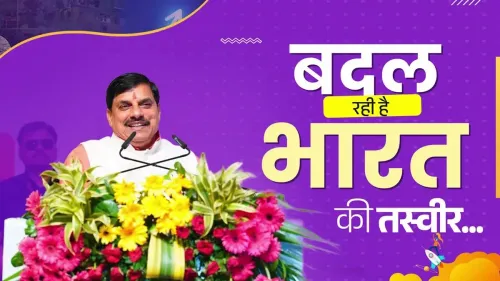
The Chief Minister's Office of Madhya Pradesh marked twelve years of the Modi government on June 11, 2026, citing agricultural empowerment, PM-KISAN direct transfers, e-NAM market linkages, and Soil Health Cards as pillars of a transformative farm policy era.
Key Takeaways
The Chief Minister's Office of Madhya Pradesh posted on June 11, 2026 , marking 12 years of the Modi government with a focus on farmer empowerment.
The PM-KISAN scheme provides Rs 6,000 per year in direct income support to eligible landholding farmer families since February 2019 .
The e-NAM electronic trading platform, launched in 2016 , links agricultural mandis to improve price realisation for farmers.
The Soil Health Card scheme, started in 2015 , promotes scientific nutrient management to reduce input costs.
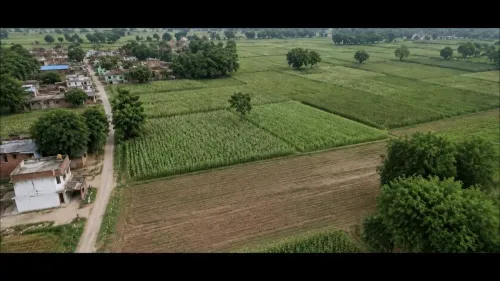
Madhya Pradesh , a major producer of wheat, soybean, and pulses, has been a key state in implementing centrally sponsored agricultural programmes.
The post tagged PM Modi , the PMO , CM Mohan Yadav , and the Ministry of Agriculture , reflecting coordinated central-state messaging.
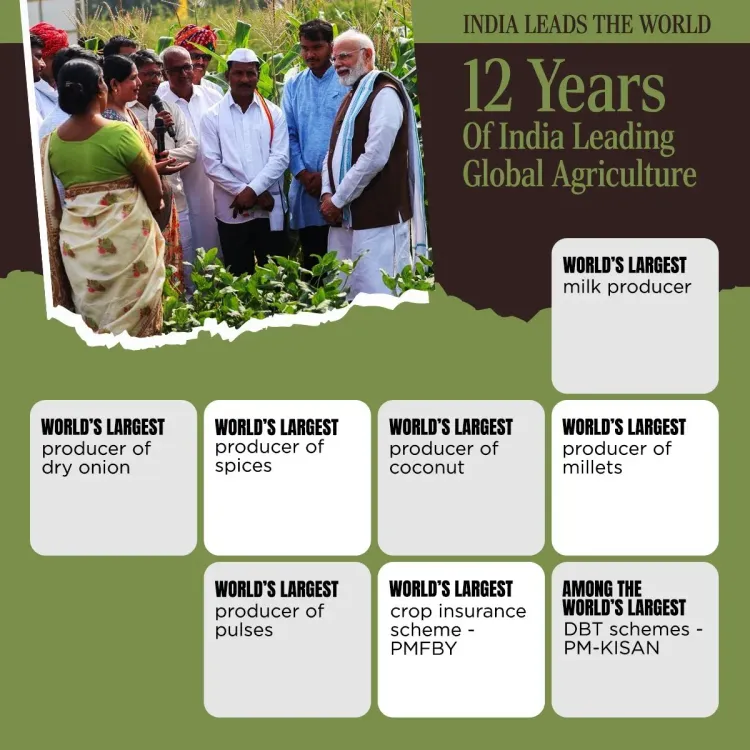
The Chief Minister's Office of Madhya Pradesh on Thursday, June 11, 2026, marked twelve years of the Narendra Modi-led central government with a message highlighting agricultural empowerment and innovation, framing the period as a transformative era for India's farming community.
Context
The post, shared under the hashtags #12YearsOfKisanSamriddhi and #12YearsOfSeva, states that 'India continues to set new benchmarks in agricultural growth, innovation, and farmer empowerment' under the leadership of Prime Minister Narendra Modi. The message was shared by the official CMO handle and tagged Chief Minister Mohan Yadav, the Prime Minister's Office, and the Ministry of Agriculture and Farmers' Welfare, signalling coordinated central-state messaging on the anniversary of the Modi government's twelfth year in office.
Policy Backdrop
Since 2014, the central government has pursued a multi-pronged agricultural agenda combining direct benefit transfers, digital market linkages, and irrigation expansion. The flagship Pradhan Mantri Kisan Samman Nidhi (PM-KISAN) scheme, launched in February 2019, provides Rs 6,000 per year in direct income support to eligible landholding farmer families across the country. Earlier interventions included the e-NAM electronic trading platform, rolled out in 2016 to link agricultural mandis and improve price realisation, and the Soil Health Card scheme, which began in 2015 to promote scientific nutrient management and reduce input costs for cultivators.
Madhya Pradesh, a leading producer of wheat, soybean, and pulses, has been among the states most closely aligned with these national programmes. The state government under CM Mohan Yadav has consistently positioned itself as an active partner in rolling out centrally sponsored schemes at the ground level.
Stakeholders and Impact
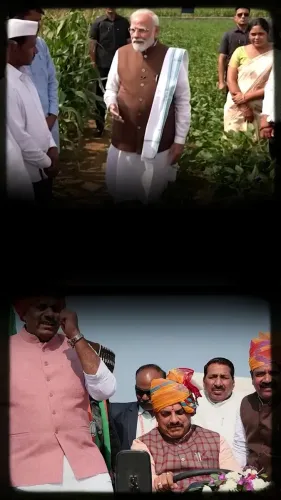
The primary beneficiaries of the policy mix being celebrated are small and marginal farmers, who constitute the bulk of India's agricultural workforce. Direct income transfers under PM-KISAN have provided a financial floor for millions of cultivator families, while digital platforms such as e-NAM have aimed to reduce dependence on intermediaries and improve market access. State agriculture departments, including Madhya Pradesh's, have served as the implementation backbone for soil health, procurement, and irrigation initiatives.
The joint tagging of @AgriGoI and @minmpkrishi in the post underscores the layered governance structure through which these programmes operate, with central policy design being translated into state-level delivery mechanisms.
What's Next
Observers will watch for the release of the next agricultural census, which is expected to provide updated data on landholding patterns and scheme coverage. Madhya Pradesh's forthcoming state budget allocations for irrigation infrastructure and procurement operations will be a key indicator of how the state intends to sustain momentum in the farm sector. The anniversary messaging also sets the political tone ahead of continued central-state coordination on agricultural welfare in the coming months.
Point of View
Where state governments amplify central government milestones to reinforce shared governance narratives ahead of electoral cycles. By tagging the PMO, the Agriculture Ministry, and the state farm ministry simultaneously, the communication signals institutional alignment rather than independent state achievement. The emphasis on farmer welfare — PM-KISAN, e-NAM, Soil Health Cards — reflects a deliberate policy branding effort that has been central to the BJP's political identity since 2014. The broader pattern suggests that agricultural welfare messaging will remain a primary axis of central-state political communication through the near term.
NationPress
26 Oct 2026
Frequently Asked Questions
What is the PM-KISAN scheme and who benefits from it?
PM-KISAN, or Pradhan Mantri Kisan Samman Nidhi, is a central government scheme launched in February 2019 that provides Rs 6,000 per year in direct income support to eligible landholding farmer families across India. Small and marginal farmers are the primary beneficiaries.
What did the Madhya Pradesh CMO post about on June 11, 2026?
The Chief Minister's Office of Madhya Pradesh posted a message on June 11, 2026, marking 12 years of the Modi government and highlighting agricultural empowerment, innovation, and farmer welfare as key achievements of the period.
What is the e-NAM platform and how does it help farmers?
e-NAM is an electronic national agriculture market platform rolled out in 2016 to link agricultural mandis across India. It aims to improve price realisation for farmers by reducing dependence on intermediaries and enabling transparent digital trading.
What is the Soil Health Card scheme?
The Soil Health Card scheme, launched in 2015, provides farmers with a card containing information about the nutrient status of their soil and recommendations for appropriate fertiliser use, helping reduce input costs and improve crop productivity.
Why is Madhya Pradesh significant in Indian agriculture?
Madhya Pradesh is a leading producer of wheat, soybean, and pulses, making it one of India's most important agricultural states. It has been closely aligned with centrally sponsored farm welfare and modernisation programmes since 2014.