CM Mohan Yadav: New Medical Colleges Expanding Youth Opportunities in MP
Synopsis
Chief Minister Dr. Mohan Yadav says new medical colleges being established in Madhya Pradesh are opening better medical education opportunities for youth, aligning the state with India's national drive to more than double MBBS intake capacity.
Key Takeaways
Mohan Yadav stated that new medical colleges in Madhya Pradesh are expanding medical education access for young aspirants.
India's national MBBS seat count has grown from roughly 50,000 to over 1,00,000 since 2014 , and Madhya Pradesh has been part of this expansion.
The National Medical Commission Act of 2019 eased regulatory norms, enabling states to set up new medical colleges more rapidly.
The Pradhan Mantri Swasthya Suraksha Yojana has provided central funding for new medical colleges in underserved states including Madhya Pradesh .
Key upcoming milestones include state budget allocations for new colleges and first-batch admissions through NEET-UG counselling.
Rural communities across Madhya Pradesh are long-term stakeholders, as more local doctors are expected to strengthen district-level healthcare.
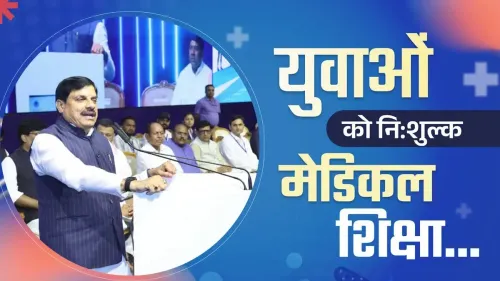
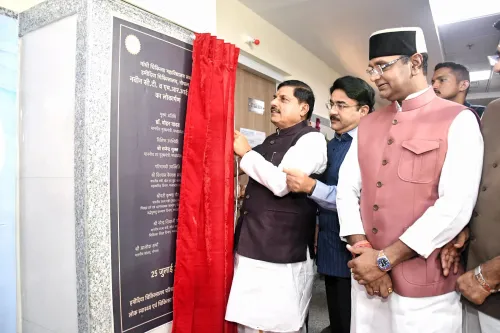
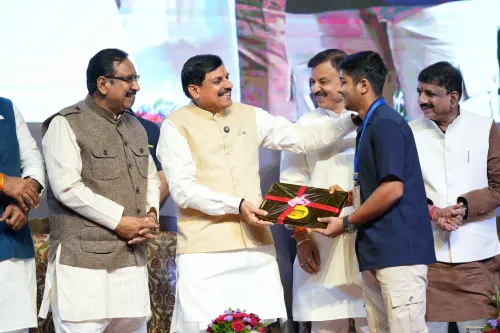
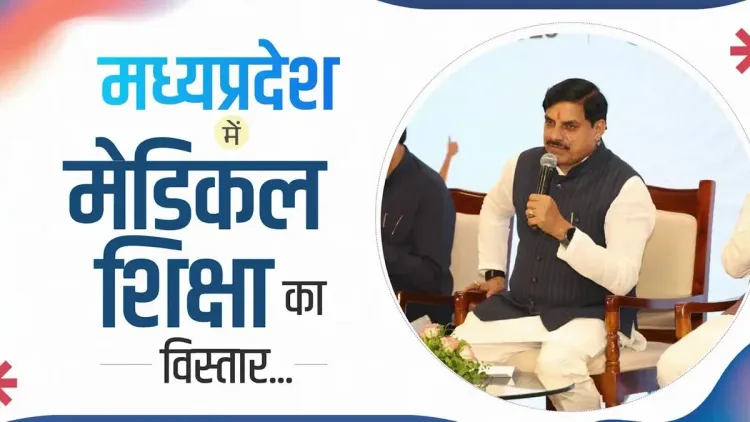
The Chief Minister's Office of Madhya Pradesh, citing Chief Minister Dr. Mohan Yadav, announced on Saturday, 11 July 2026 that the establishment of new medical colleges across the state is creating better opportunities in medical education for young aspirants.
Posting under the hashtags #CMMadhyaPradesh and #MyYouthPride, the official handle quoted CM Dr. Mohan Yadav as saying: 'The establishment of new medical colleges in Madhya Pradesh is making better opportunities in medical education available to the youth.'
Context
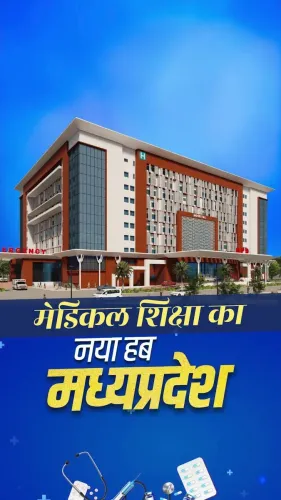
Madhya Pradesh has been expanding its government medical college network over the past decade, with several institutions receiving approval from the National Medical Commission (NMC) — the statutory body that replaced the Medical Council of India following the NMC Act of 2019. The 2019 legislation relaxed certain regulatory norms, enabling states to establish additional colleges at a faster pace. The state's push aligns with a broader national drive to address chronic shortages of trained doctors, particularly in rural and semi-urban districts.Policy Backdrop
At the national level, the Pradhan Mantri Swasthya Suraksha Yojana — first launched in 2003 and expanded in successive phases — has channelled central funds toward new medical colleges and upgrades of existing district hospitals in underserved states, including Madhya Pradesh. Since 2014, the Union government has pursued a sustained increase in medical education seats, raising national MBBS intake from roughly 50,000 to over 1,00,000 annually. Madhya Pradesh has mirrored this national trajectory by announcing district-level medical colleges aimed at simultaneously tackling doctor shortages and meeting rising aspirant demand for professional medical courses. The NMC approved several new colleges in the state between 2015 and 2019 under centrally sponsored schemes.Stakeholders and Impact
The primary beneficiaries of this expansion are NEET-UG aspirants from Madhya Pradesh, many of whom previously had to seek admissions in other states due to limited local seat availability. Increased in-state capacity is expected to reduce competition pressure and lower the financial burden on families, since government college fees are substantially lower than private institutions. Beyond aspirants, the long-term beneficiaries are rural communities across the state, which stand to gain a larger pool of trained doctors as graduates complete their degrees and return to serve local healthcare needs. Medical faculty, hospital staff, and allied health workers are also stakeholders in the infrastructure build-out that accompanies new college establishment.What's Next
Attention will now turn to state budget allocations for the new colleges and the schedule for first-batch admissions through NEET-UG counselling. The pace at which newly established colleges achieve full operational capacity — including faculty recruitment, hospital bed strength, and laboratory infrastructure — will determine how quickly the stated benefits reach students. Observers will also watch whether the expansion is accompanied by measures to retain graduates within the state's public health system after they complete their mandatory rural service bonds.Point of View
Giving the state government a credible policy record to highlight. However, the true measure of success will lie in operational quality, not just the number of colleges sanctioned — a distinction that critics of rapid medical college expansion have consistently raised. The emphasis on youth opportunity also signals that medical education access is increasingly being framed as an electoral asset in Madhya Pradesh, where a large share of the population is under 35.
NationPress
10 Oct 2026
Frequently Asked Questions
How many new medical colleges are being opened in Madhya Pradesh?
The Chief Minister's Office has not specified an exact number in this announcement. The state has been adding government medical colleges in phases since 2015, with several approved by the National Medical Commission.
What is the benefit of new medical colleges for NEET aspirants in Madhya Pradesh?
More government medical colleges mean more MBBS seats available through NEET-UG counselling in Madhya Pradesh, reducing the need for students to seek admissions in other states and lowering overall education costs.
Who is the Chief Minister of Madhya Pradesh in 2026?
Dr. Mohan Yadav has been the Chief Minister of Madhya Pradesh since December 2023 and continues in the role as of July 2026.
What is the Pradhan Mantri Swasthya Suraksha Yojana?
It is a central government scheme launched in 2003 and expanded in phases to fund new medical colleges and upgrade existing hospitals in underserved states, including Madhya Pradesh.
How has India increased MBBS seats in recent years?
Through new government medical colleges, AIIMS-style institutes, and regulatory reforms under the National Medical Commission Act of 2019, India's annual MBBS intake has grown from roughly 50,000 to over 1,00,000 since 2014.