CM Mohan Yadav joins Shipra parikrama closing event

Synopsis
Chief Minister Dr. Mohan Yadav participated in the closing ceremony of the Maa Shipra Teerth Parikrama Yatra in Ujjain on 27 May 2026, organised under Madhya Pradesh's Jal Ganga Sanvardhan Abhiyan, as the state ramps up river conservation efforts ahead of Simhastha 2028.
Key Takeaways
Mohan Yadav attended the closing ceremony of the Maa Shipra Teerth Parikrama Yatra on 27 May 2026 in Ujjain .
The yatra was organised under the Jal Ganga Sanvardhan Abhiyan , Madhya Pradesh's river rejuvenation and water conservation programme.
The Shipra River , which flows through Ujjain, is the central focus of the conservation campaign due to its religious and ecological significance.
The initiative is part of the state's broader preparations for Simhastha 2028 , the Kumbh Mela scheduled in Ujjain.
The previous Simhastha Kumbh Mela in Ujjain was held in 2016 , accompanied by dedicated river-cleaning and infrastructure works.
Stakeholders include Ujjain residents, pilgrims, and river conservation groups across the Malwa region.
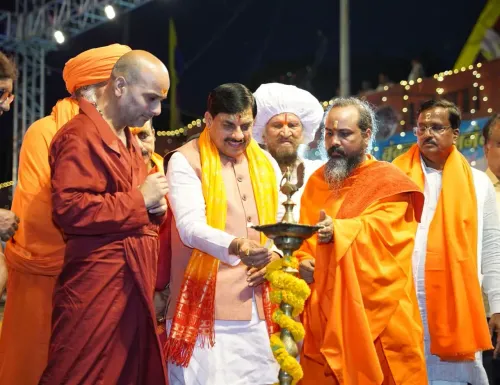
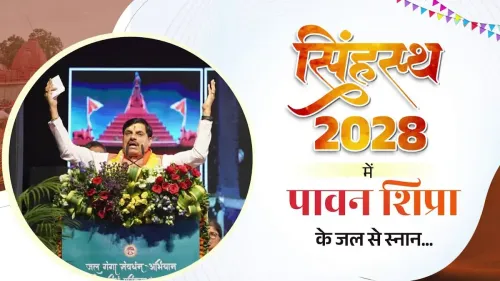
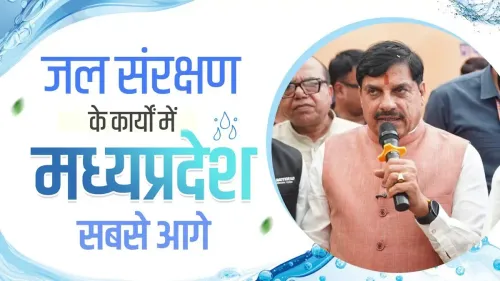
Chief Minister Dr. Mohan Yadav of Madhya Pradesh participated in the closing ceremony of the Maa Shipra Teerth Parikrama Yatra (Mother Shipra Sacred Circumambulation Journey) on Tuesday, 27 May 2026, organised under the state government's Jal Ganga Sanvardhan Abhiyan (Water-Ganga Conservation Campaign). The Chief Minister's Office of Madhya Pradesh shared highlights from the event, noting that Dr. Yadav addressed the gathering and shared his thoughts at the culmination programme.
Context
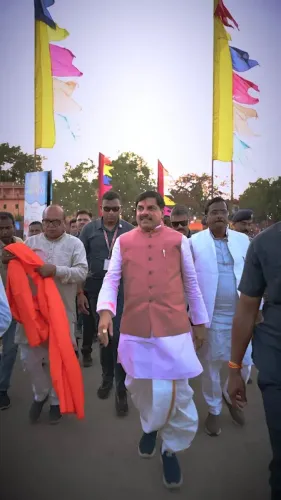
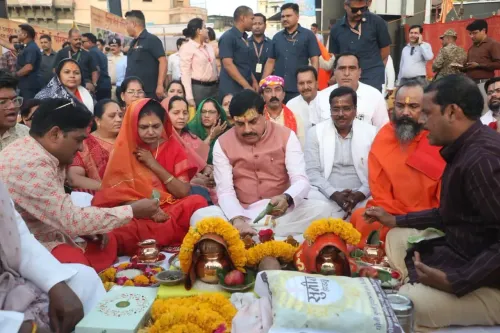
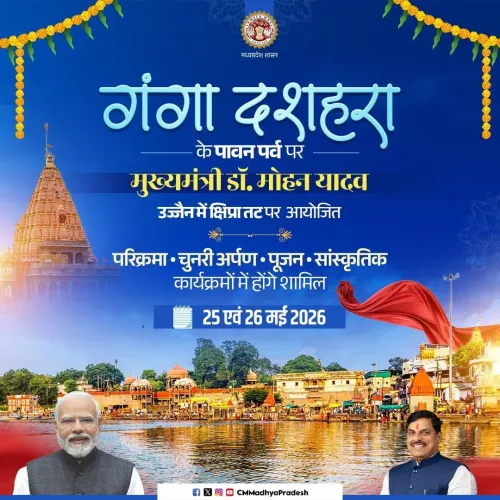
The Maa Shipra Teerth Parikrama Yatra is a religious and environmental initiative centred on the Shipra River, the sacred waterway that flows through Ujjain in western Madhya Pradesh. The parikrama — a ritual circumambulation — combined devotional practice with awareness of river conservation, drawing participation from pilgrims, local residents, and civic bodies. Dr. Yadav attended the closing programme, engaging with participants and articulating the government's commitment to the river's rejuvenation.
The Jal Ganga Sanvardhan Abhiyan is the state programme under whose umbrella this yatra was conducted. The abhiyan focuses on the revival and protection of culturally and ecologically significant rivers across Madhya Pradesh, with the Shipra occupying a central place in that effort.
Policy Backdrop
Madhya Pradesh's river conservation strategy has been closely tied to preparations for Simhastha 2028, the next edition of the Kumbh Mela scheduled in Ujjain. The previous Simhastha was held in 2016, and that cycle saw dedicated river-cleaning drives and large-scale infrastructure development along the Shipra's banks. The current government has revived that model, integrating environmental action with religious tourism planning well ahead of the 2028 event.
Campaigns such as the Jal Ganga Sanvardhan Abhiyan complement national river conservation frameworks by directing state resources toward waterways that carry both ecological and cultural significance. The Shipra, considered sacred in Hindu tradition and central to the Ujjain pilgrimage circuit, sits at the intersection of these priorities.
Stakeholders and Impact
The most immediate stakeholders are the devotees and residents of Ujjain who participate in parikrama traditions and depend on the Shipra for religious observances. River conservation groups and environmental bodies monitoring water quality in the Malwa region also have a direct stake in the abhiyan's outcomes. For the state government, visible participation by CM Dr. Mohan Yadav signals political commitment to both environmental and religious heritage agendas ahead of a major pilgrimage event.
Pilgrims who travel to Ujjain for festivals and daily rituals stand to benefit from improved river health, while local communities along the Shipra's course could see gains from cleaner water and better riverfront infrastructure if the campaign's objectives are met.
What's Next
Attention will now turn to subsequent phases of the Jal Ganga Sanvardhan Abhiyan and the broader infrastructure roadmap for Simhastha 2028. State announcements on river-cleaning milestones, environmental clearances, and ghaat development in Ujjain are expected as the countdown to the Kumbh Mela accelerates. The closing of the Shipra parikrama marks one chapter in what the government has framed as a sustained, multi-year effort to restore the river's ecological and spiritual vitality before lakhs of pilgrims converge on the city.
Point of View
Not parallel tracks. With Simhastha 2028 now firmly on the planning horizon, such events serve a dual purpose: demonstrating environmental stewardship to a national audience while consolidating the ruling establishment's credentials among Ujjain's devout constituency. The Jal Ganga Sanvardhan Abhiyan follows a well-worn template of state-level campaigns that link ecological action to culturally resonant waterways, a model that tends to attract both administrative resources and political capital. Whether the abhiyan translates into measurable improvements in Shipra water quality before 2028 will be the real test of its ambition.
NationPress
10 Oct 2026
Frequently Asked Questions
What is the Jal Ganga Sanvardhan Abhiyan in Madhya Pradesh?
The Jal Ganga Sanvardhan Abhiyan is a Madhya Pradesh government programme focused on the rejuvenation and conservation of rivers, with particular emphasis on culturally significant waterways like the Shipra in Ujjain.
What is the Maa Shipra Teerth Parikrama Yatra?
The Maa Shipra Teerth Parikrama Yatra is a religious circumambulation event centred on the Shipra River in Ujjain, organised under the Jal Ganga Sanvardhan Abhiyan to combine devotional practice with river conservation awareness.
Why is the Shipra River important for Simhastha 2028?
The Shipra River is the sacred waterway at the heart of Ujjain's pilgrimage tradition and serves as the primary bathing site during the Simhastha Kumbh Mela, making its conservation critical ahead of the 2028 event.
When was the last Simhastha Kumbh Mela held in Ujjain?
The last Simhastha Kumbh Mela in Ujjain was held in 2016, when the state undertook dedicated river-cleaning drives and infrastructure upgrades along the Shipra.
What did CM Mohan Yadav do at the Shipra parikrama event?
Chief Minister Dr. Mohan Yadav participated in the closing ceremony of the Maa Shipra Teerth Parikrama Yatra on 27 May 2026 and shared his thoughts with the gathering, as reported by the Chief Minister's Office of Madhya Pradesh.