CM Yogi: Akshaya Patra Kitchen in Gorakhpur to Feed 50,000 Kids Daily
Synopsis
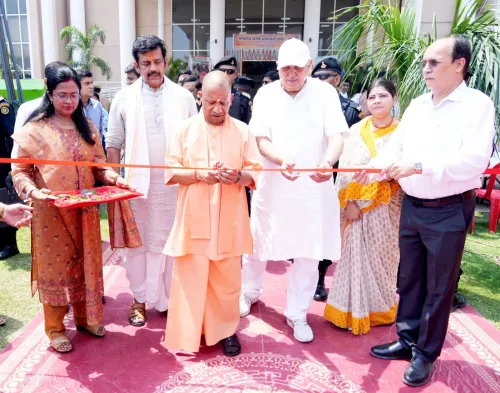
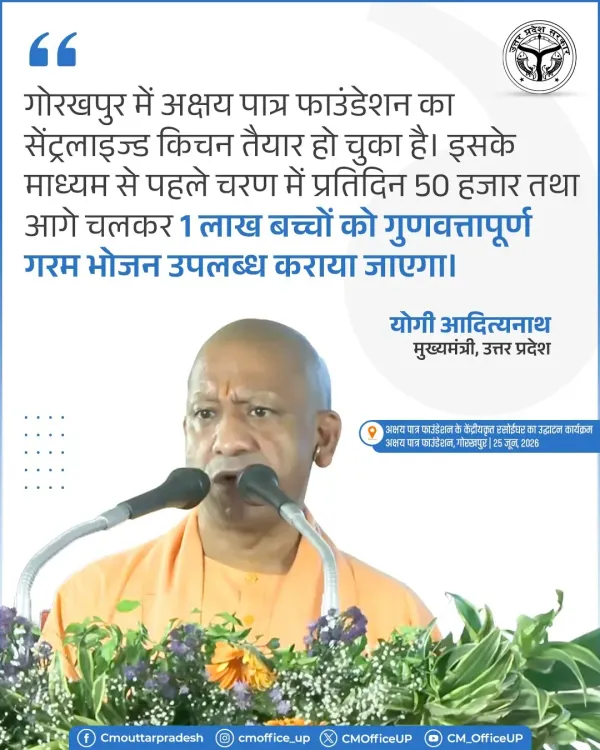
The Akshaya Patra Foundation's centralized kitchen in Gorakhpur is operational and will provide hot, quality meals to 50,000 school children daily in its first phase, scaling to 1 lakh children, Chief Minister Yogi Adityanath's office announced on 25 June 2026.
Key Takeaways
The Akshaya Patra Foundation's centralized kitchen in Gorakhpur has been completed and is ready for operations.
In Phase 1 , the kitchen will supply hot, quality meals to 50,000 school children per day .
The facility is designed to scale up and eventually serve 1 lakh (100,000) children daily .
The initiative is a public-private partnership between the Uttar Pradesh government and the Bengaluru-based Akshaya Patra Foundation.
The model aligns with India's Mid-Day Meal Scheme , launched in 1995 to boost school enrolment and child nutrition.
Gorakhpur , in eastern Uttar Pradesh, is the location, a region historically associated with lower nutrition and education indicators.
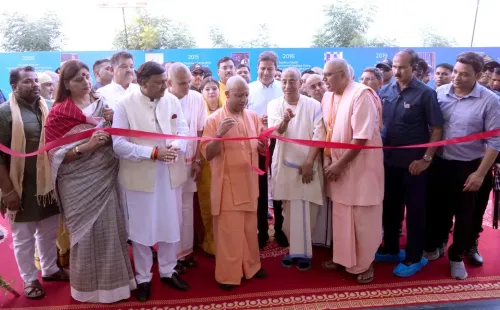
The Chief Minister's Office of Uttar Pradesh announced on Thursday, 25 June 2026 that the Akshaya Patra Foundation's centralized kitchen in Gorakhpur is ready and will supply hot, quality meals to 50,000 school children daily in its first phase, scaling up to 1 lakh children subsequently.
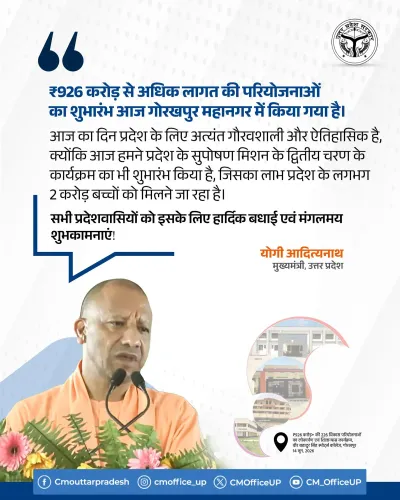
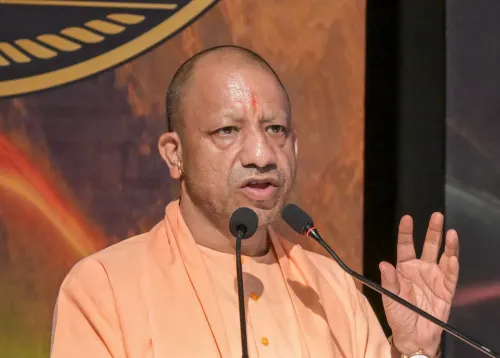
Chief Minister Yogi Adityanath stated: 'Gorakhpur mein Akshaya Patra Foundation ka centralized kitchen taiyaar ho chuka hai' ['The Akshaya Patra Foundation's centralized kitchen in Gorakhpur is ready'], adding that the facility will provide quality hot meals to 50,000 children per day in the first phase and eventually reach 1 lakh children.
Context
Gorakhpur, a major city and district headquarters in eastern Uttar Pradesh, is the constituency long associated with Chief Minister Yogi Adityanath. The district has historically recorded lower nutrition and education indicators, making it a significant choice for piloting the centralized kitchen model. The kitchen represents a direct public-private partnership between the Uttar Pradesh government and the Akshaya Patra Foundation.
The Akshaya Patra Foundation, headquartered in Bengaluru, has operated centralized kitchens across multiple Indian states since 2000, supplying mid-day meals to school children at scale. Its model emphasises hygiene, standardisation, and volume, distinguishing it from decentralised school-level cooking arrangements.
Policy Backdrop
India's National Programme of Nutritional Support to Primary Education, commonly known as the Mid-Day Meal Scheme, was launched in 1995 to improve school enrolment and combat child malnutrition. Over the decades, states have sought to upgrade delivery quality through partnerships with organisations such as Akshaya Patra, which brings industrial-scale kitchen infrastructure and standardised food safety protocols.
Uttar Pradesh has progressively expanded such public-private partnerships to improve meal quality and hygiene beyond the basic government framework. The Gorakhpur kitchen follows a model already replicated in several other states, where centralized facilities serve large urban and peri-urban school populations with consistent, hot meals.
Stakeholders and Impact
The primary beneficiaries are school children enrolled in government schools in and around Gorakhpur. In the first phase, 50,000 children will receive a hot meal each school day; the facility is designed to double that capacity to 1 lakh children as operations scale. Improved daily nutrition is linked in policy research to better attendance, concentration, and learning outcomes.
For the Akshaya Patra Foundation, the Gorakhpur kitchen adds a significant node to its national network. For the state government, the partnership offloads logistical complexity while meeting welfare commitments under the mid-day meal framework. Local suppliers and logistics operators in the Gorakhpur region are also expected to benefit from the kitchen's daily procurement needs.
What's Next
Attention will now turn to operational data: how quickly the kitchen reaches its 50,000-meal-per-day target, the timeline for scaling to 1 lakh meals, and whether the state government announces replication of this model in other districts with similar nutrition and education challenges. Eastern Uttar Pradesh districts with comparable profiles could be next in line for centralized kitchen facilities.
If the Gorakhpur kitchen demonstrates consistent quality and coverage, it could strengthen the case for a broader state-wide rollout of the centralized kitchen model, deepening Uttar Pradesh's public-private approach to child nutrition and school welfare.
Point of View
A region that has historically lagged on nutrition metrics. The scale — moving from 50,000 to 1 lakh meals per day — mirrors Akshaya Patra's proven playbook in other states and suggests the state is betting on volume and standardisation to close nutrition gaps. Whether this model gets replicated across other districts will be the real test of its policy ambition.
NationPress
26 Jun 2026
Frequently Asked Questions
What is the Akshaya Patra centralized kitchen in Gorakhpur?
It is a large-scale, centralized meal-preparation facility set up by the Akshaya Patra Foundation in Gorakhpur, Uttar Pradesh, designed to supply hot, quality meals to school children under the mid-day meal programme.
How many children will the Gorakhpur Akshaya Patra kitchen serve?
In the first phase, the kitchen will serve 50,000 school children per day , with plans to scale up to 1 lakh (100,000) children daily in subsequent phases.
What is the Akshaya Patra Foundation?
The Akshaya Patra Foundation is a Bengaluru-based non-governmental organisation that has operated centralized kitchens to supply mid-day meals to school children across multiple Indian states since 2000.
How does this relate to India's Mid-Day Meal Scheme?
India's Mid-Day Meal Scheme, launched in 1995, mandates nutritious meals for school children to improve enrolment and combat malnutrition. The Gorakhpur kitchen is a public-private partnership that enhances delivery quality under this national programme.
Which government announced the Gorakhpur Akshaya Patra kitchen?
The Chief Minister's Office of Uttar Pradesh made the announcement on 25 June 2026 , attributing the statement to Chief Minister Yogi Adityanath .