CM Yogi Opens Kharif Productivity Goshthi 2026 in Gorakhpur
Synopsis
Uttar Pradesh Chief Minister Yogi Adityanath launched the joint divisional Kharif Productivity Workshop 2026 for Gorakhpur, Basti and Azamgarh divisions in Gorakhpur, crediting Prime Minister Narendra Modi's leadership for agricultural gains and linking higher Kharif output to the Atmanirbhar Bharat resolve while wishing farmers a successful season.
Key Takeaways
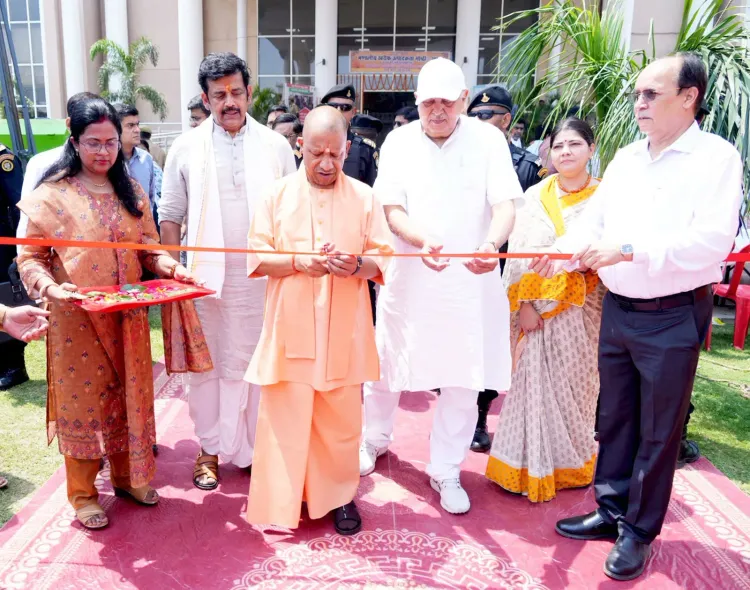
CM Yogi Adityanath inaugurated the Joint Divisional Kharif Productivity Goshthi 2026 in Gorakhpur on 3 June 2026.
The workshop covers the Gorakhpur, Basti and Azamgarh divisions under Kharif Abhiyan 2026.
He credited PM Narendra Modi's leadership for agricultural changes over the past 12 years.
The Chief Minister linked farmer prosperity to the Atmanirbhar Bharat resolve.
Gorakhpur, seat of the Gorakhnath Math, hosted the launch event.
Focus areas include higher Kharif productivity across eastern Uttar Pradesh.
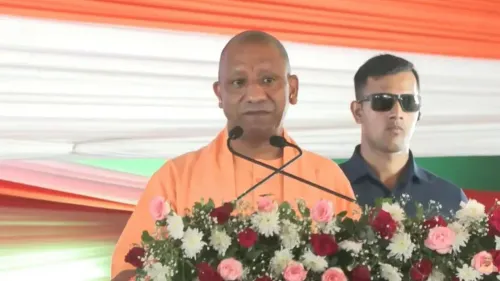
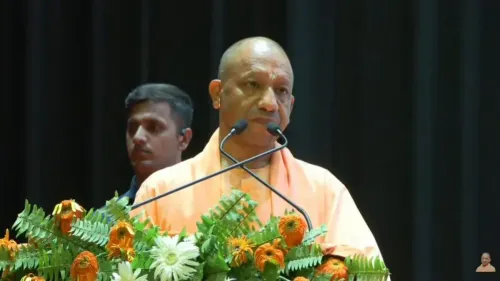
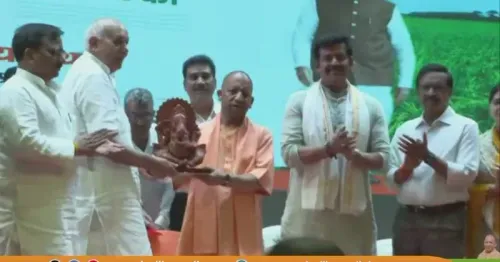
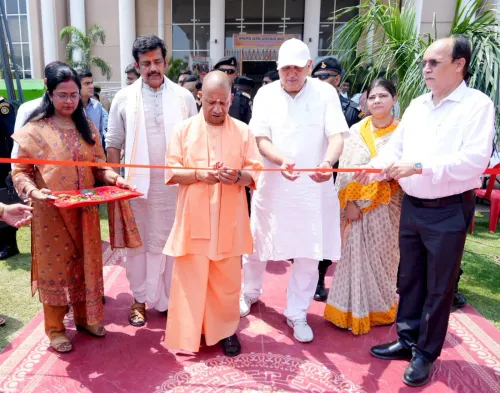
Uttar Pradesh Chief Minister Yogi Adityanath on Wednesday, 3 June 2026 attended the inaugural session of the joint divisional Kharif productivity workshop for the Gorakhpur, Basti and Azamgarh divisions, held at Gorakhpur as part of Kharif Abhiyan 2026. The Chief Minister framed the event as a push for higher seasonal output and praised the agricultural trajectory under Prime Minister Narendra Modi.
Context
In his post, the Chief Minister said he joined the launch of the Sanyukt Mandaliya Kharif Utpadakta Goshthi-2026 (Joint Divisional Kharif Productivity Workshop 2026) in 'the sacred city of Mahayogi Guru Shri Gorakhnath Ji'. He congratulated farmers and conveyed wishes for the successful conduct of the workshop.
He added that 'under the illustrious leadership of respected Prime Minister Shri Narendra Modi ji, unprecedented positive changes have come in the field of agriculture over the past 12 years', and that the annadata (food provider) is taking the resolve of Atmanirbhar Bharat to new heights by joining the national mainstream.
Policy backdrop
Divisional Kharif goshthis are a recurring feature of the Uttar Pradesh agriculture department's pre-season calendar, used to brief field officers and progressive cultivators on input availability, advisories and productivity targets ahead of paddy, maize, pulses and oilseed sowing.
The exercise sits within a wider policy arc that includes the Pradhan Mantri Kisan Samman Nidhi (PM-KISAN) direct income support scheme rolled out in 2019 and the goal of doubling farmers' income announced in 2016. The Chief Minister's reference to Atmanirbhar Bharat, the self-reliance initiative launched in 2020, ties the state's seasonal campaign to the Centre's food-security framing.
Stakeholders and impact
The immediate audience is the farming community across the three eastern Uttar Pradesh divisions of Gorakhpur, Basti and Azamgarh, which together cover districts where small and marginal holdings dominate and Kharif paddy is the principal crop.
Divisional workshops typically bring together agriculture, horticulture, cooperative and irrigation officials alongside scientists from local Krishi Vigyan Kendras. For cultivators, the outputs that matter are timely seed and fertiliser supply, advisories on climate-resilient varieties, and linkages to credit, insurance and procurement systems.
By anchoring the launch in Gorakhpur, the seat of the Gorakhnath Math that the Chief Minister heads, the state government also signals continued political focus on the eastern UP belt, which has been a priority region for both state and central farm outreach since 2014.
What's next
Attention will turn to the operational recommendations emerging from the divisional goshthi, including any district-level productivity targets, input subsidy decisions and extension priorities communicated for the 2026 Kharif season.
How quickly these advisories translate into seed distribution, fertiliser positioning and credit disbursal on the ground will shape whether the workshop's stated ambition of higher Kharif output is reflected in this year's harvest across eastern Uttar Pradesh.
Point of View
Reinforcing eastern Uttar Pradesh as the centre of gravity for the state's farm outreach. By invoking 12 years of agricultural change under PM Modi and tying the seasonal campaign to Atmanirbhar Bharat, the messaging fuses state-level extension work with the Centre's self-reliance narrative. The real test, as ever, lies beyond the dais: in seed positioning, fertiliser availability and credit flow before the monsoon sowing window closes.
NationPress
23 Sept 2026
Frequently Asked Questions
What is the Kharif Productivity Goshthi 2026 in Gorakhpur?
It is a joint divisional workshop launched under Kharif Abhiyan 2026 to plan higher crop production across the Gorakhpur, Basti and Azamgarh divisions of Uttar Pradesh. CM Yogi Adityanath inaugurated it in Gorakhpur on 3 June 2026.
Which divisions are covered by the joint Kharif goshthi in Gorakhpur?
The workshop covers the Gorakhpur, Basti and Azamgarh divisions of eastern Uttar Pradesh. Officials and farmer representatives from these divisions are the primary participants.
What did CM Yogi Adityanath say about agriculture under PM Modi?
He said that under PM Narendra Modi's leadership, unprecedented positive changes have come in agriculture over the past 12 years. He added that the annadata is taking the Atmanirbhar Bharat resolve to new heights.
Why was Gorakhpur chosen for the Kharif Abhiyan 2026 launch?
Gorakhpur is the divisional headquarters and the seat of the Gorakhnath Math, which CM Yogi Adityanath heads. The city serves as a logical anchor for outreach to farmers across eastern Uttar Pradesh.
What is Kharif Abhiyan 2026 in Uttar Pradesh?
It is the Uttar Pradesh government's pre-season agricultural campaign for the 2026 Kharif sowing cycle. It uses divisional workshops to brief officials and farmers on inputs, advisories and productivity targets.