CM Yogi launches Kharif productivity seminar in Gorakhpur
Synopsis
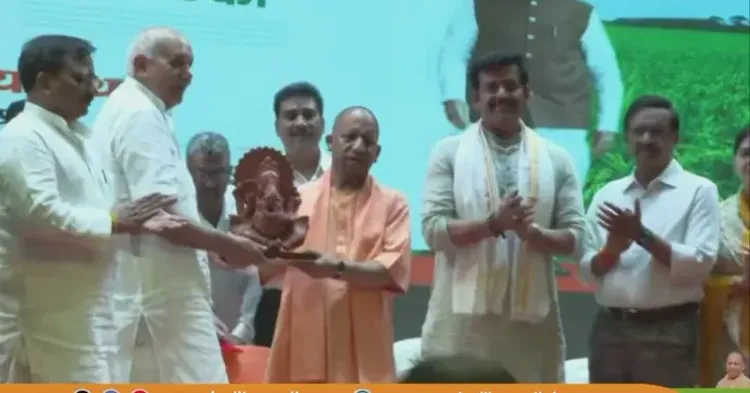
Uttar Pradesh Chief Minister Yogi Adityanath inaugurated the joint divisional Kharif productivity seminar-2026 in Gorakhpur on 3 June 2026, convening administrations of the Gorakhpur, Basti and Azamgarh divisions ahead of the monsoon sowing season to align inputs, irrigation and procurement readiness across the eastern Uttar Pradesh agrarian belt.
Key Takeaways
CM Yogi Adityanath inaugurated the joint Kharif productivity seminar-2026 in Gorakhpur on 3 June 2026.
The event covered the Gorakhpur, Basti and Azamgarh divisions of eastern Uttar Pradesh.
It precedes the southwest monsoon sowing window for the 2026 Kharif season.
Such mandaliya seminars have been institutionalised since 2017 under the Yogi government.
Paddy is the dominant Kharif crop across the three Purvanchal divisions in focus.
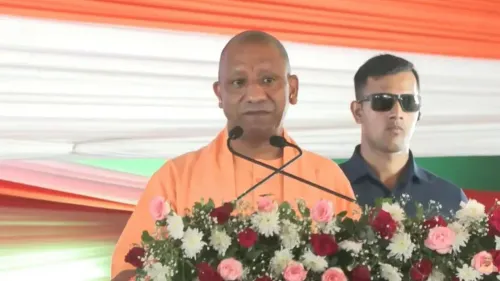
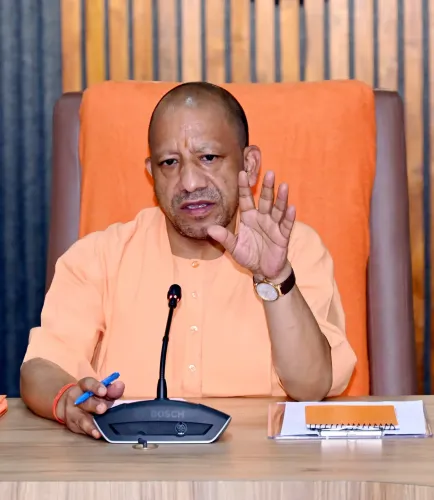
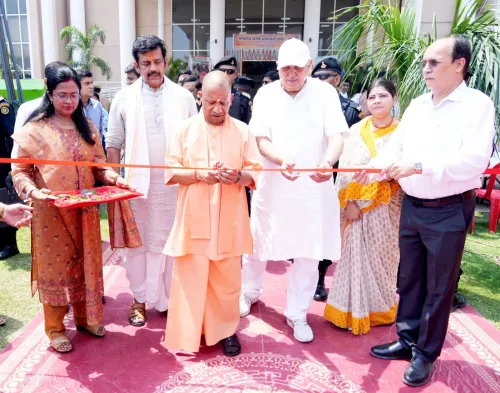
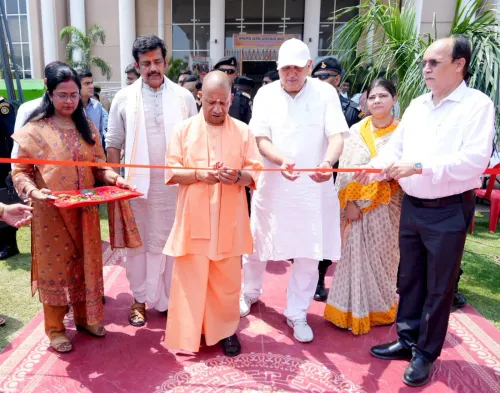
Uttar Pradesh Chief Minister Yogi Adityanath on Wednesday, 3 June 2026, inaugurated the joint divisional Kharif productivity seminar for the Gorakhpur, Basti and Azamgarh divisions at a programme held in district Gorakhpur. The Chief Minister shared a live broadcast of the event on his official X handle, signalling the start of the state government's pre-monsoon agricultural review cycle for the 2026 Kharif season.
In his post, the Chief Minister wrote that he was attending the 'sanyukt mandaliya Kharif utpadakta goshthi-2026' ('joint divisional Kharif productivity seminar-2026') being organised in Gorakhpur for the three eastern divisions. The seminar brings district administrations, agriculture department officials and cultivators on a common platform ahead of the southwest monsoon sowing window.
Context
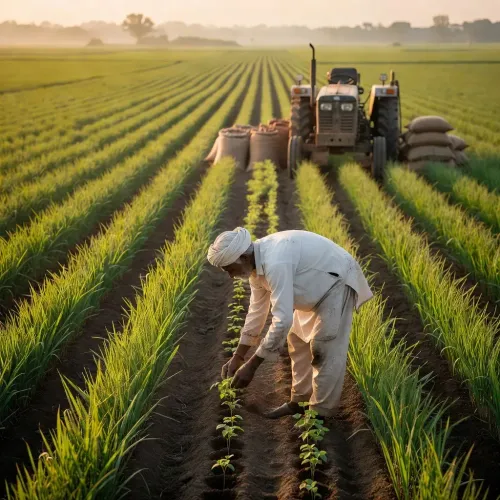
The Kharif season — covering paddy, maize, pulses, oilseeds and coarse cereals — is the backbone of the agrarian economy across Purvanchal, the eastern arc of Uttar Pradesh. The Gorakhpur, Basti and Azamgarh divisions together account for a dense cluster of small and marginal farmers whose incomes hinge on timely inputs, irrigation and procurement.
Gorakhpur, which doubles as the Chief Minister's political and spiritual base as head of the Gorakhnath Math, has emerged as a recurring venue for such regional governance events. Holding a tri-divisional convergence in the city allows the state to align field-level planning across contiguous agro-climatic zones in one sitting.
Policy backdrop
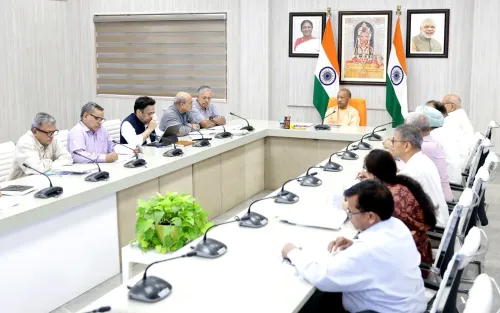
Since assuming office in 2017, the Yogi Adityanath government has institutionalised periodic mandaliya (divisional) reviews focused on raising crop productivity in eastern districts. These seminars are typically structured around the two cropping seasons — Kharif and Rabi — and serve as a feedback loop between farmers and the state machinery.
The framework reflects a deliberate choice for region-specific agricultural governance over a uniform statewide template, given the variation in soil profile, flood vulnerability and cropping patterns between western, central and eastern Uttar Pradesh. Purvanchal, in particular, has been the focus of targeted productivity drives over successive seasons.
Stakeholders and impact
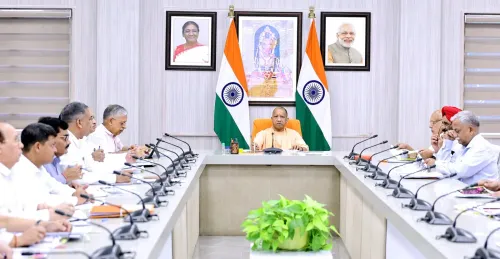
The primary audience at such gatherings is the eastern UP farmer, with district magistrates, divisional commissioners and agriculture department field officers in attendance. The discussions typically span seed availability, fertiliser supply, soil health, micro-irrigation, mechanisation, crop insurance and minimum support price procurement.
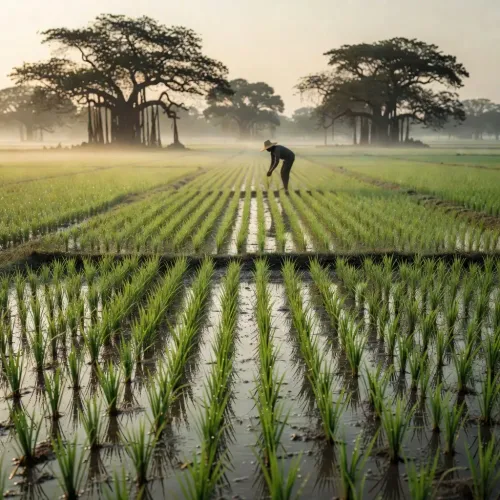
For the three divisions in focus, paddy remains the dominant Kharif crop, supported by pulses and oilseeds in pockets with lighter soils. Any operational decisions emerging from a pre-season seminar can shape input distribution schedules at the block level over the following weeks.
What's next
Attention will now turn to the district-level action plans that flow from the Gorakhpur seminar and how they translate into sowing, input delivery and procurement readiness for the 2026 Kharif cycle. The follow-through on irrigation availability and timely fertiliser supply will be a key marker of execution.
With the southwest monsoon's onset over Uttar Pradesh typically in late June, the window between the seminar and field operations is narrow, making the early-June timing of the convergence a signal of the government's intent to lock in the season's groundwork well before the first showers.
Point of View
The politically and economically sensitive eastern belt. Timing the event in early June, weeks before the monsoon's onset, reflects an emphasis on locking in input logistics rather than post-facto course correction. The choice of Gorakhpur as the venue also keeps the Chief Minister's home turf at the centre of the state's farm narrative. Execution on irrigation and procurement will determine whether the seminar yields measurable productivity gains.
NationPress
20 Oct 2026
Frequently Asked Questions
What did CM Yogi Adityanath inaugurate in Gorakhpur on 3 June 2026?
He inaugurated the joint divisional Kharif productivity seminar-2026 for the Gorakhpur, Basti and Azamgarh divisions, held in district Gorakhpur.
Which divisions were covered by the Kharif productivity seminar-2026?
The seminar covered three eastern Uttar Pradesh divisions — Gorakhpur, Basti and Azamgarh — in a single joint format.
What is a mandaliya Kharif utpadakta goshthi?
It is a divisional-level seminar convened by the Uttar Pradesh government to review and plan Kharif-season agricultural productivity with district officials and farmers.
Why is the Kharif season important for eastern Uttar Pradesh?
Kharif crops, especially paddy, form the backbone of incomes for the largely small and marginal farming community across the Purvanchal divisions.
When does the Kharif sowing typically begin in Uttar Pradesh?
Kharif sowing aligns with the southwest monsoon, which typically reaches Uttar Pradesh in late June, making early-June planning seminars timely.