CM Yogi Reviews UP Agriculture Dept, Orders Kharif 2026 Prep
Synopsis
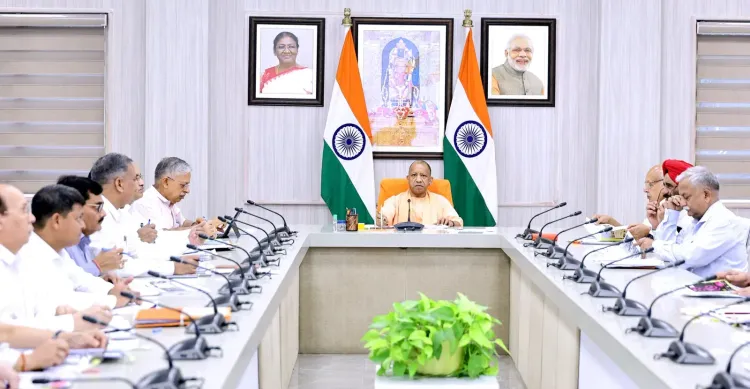
Chief Minister Yogi Adityanath reviewed UP's agriculture department in Lucknow on 25 May 2026, directing officials to complete Kharif 2026 preparations early, promote pulses, oilseeds and millets, and prepare drought contingency plans with alternative seed reserves for vulnerable regions.
Key Takeaways
CM Yogi Adityanath chaired an agriculture department review in Lucknow on 25 May 2026 .
All Kharif 2026 preparations — seeds, fertilisers, and technical support — must be completed ahead of schedule.
Special promotion of pulses, oilseeds, and millets (Shree Anna) was ordered in response to changing climate conditions.
An advance action plan for drought-prone regions was directed, with alternative crop seeds to be kept ready for distribution.
The directives align with UP's broader push for crop diversification away from water-intensive staples.
Rollout of drought contingency logistics and seed distribution before the southwest monsoon arrival will be the key implementation test.
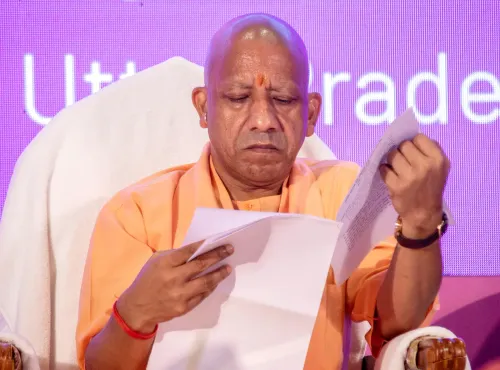
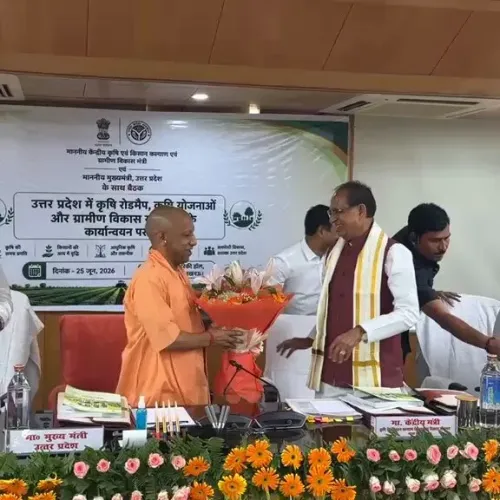
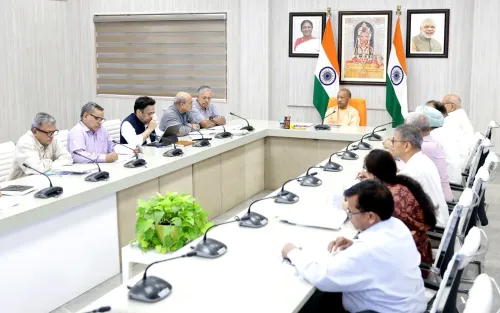
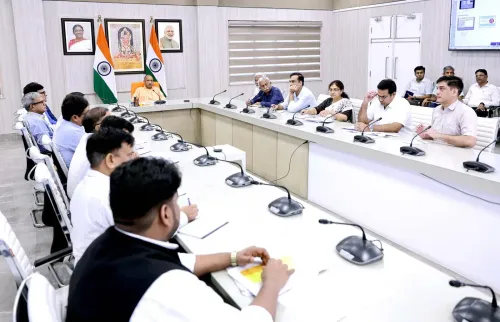
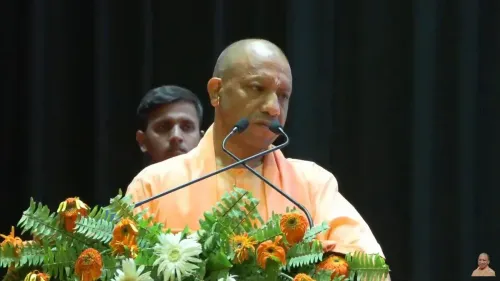
The Chief Minister's Office of Uttar Pradesh announced on Monday, 25 May 2026 that Chief Minister Yogi Adityanath chaired a review of the state agriculture department in Lucknow, issuing directives to complete all preparations for the Kharif 2026 sowing season ahead of schedule and ensure farmers receive quality seeds, fertilisers, and technical assistance on time.
Context
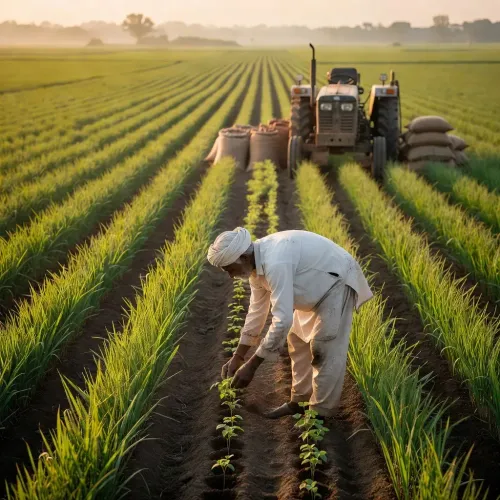
In the meeting, CM Yogi directed that all Kharif-2026 preparations be wrapped up in advance — 'समय से पूर्ण' (completed on time) — with quality inputs reaching farmers without delay. He also called for special promotion of pulses (दलहन), oilseeds (तिलहन), and millets (श्रीअन्न) in light of changing weather and climate conditions. An advance action plan for drought-prone regions was ordered, with instructions to keep alternative crop seeds ready for distribution if needed.
The directives cover both proactive input supply logistics and a climate-contingency framework — signalling that the state is treating the upcoming Kharif season as a stress-test for its agricultural administration.
Policy Backdrop
Uttar Pradesh has in recent years pushed crop diversification away from water-intensive staples toward pulses, oilseeds, and millets, aligning with the central government's thrust during the International Year of Millets 2023. The Shree Anna initiative, which promotes millet cultivation for both nutritional security and climate resilience, has been a key plank of this shift at the national level since 2023.
The Uttar Pradesh Agriculture Department has previously issued directives for timely Kharif input supply and drought contingency planning in prior seasons, making this review part of an established annual governance cycle — though the explicit emphasis on climate variability and alternative seed reserves marks a sharper focus on resilience planning.
Stakeholders and Impact
Uttar Pradesh is India's most populous state and one of its largest agricultural economies, with tens of millions of farming households dependent on the Kharif season for their primary income. Farmers in drought-prone districts — spread across Bundelkhand and parts of eastern UP — stand to benefit most directly from the advance action plans and alternative seed provisions ordered by CM Yogi.
The push to promote pulses and oilseeds also carries implications for food price stability, as UP's output of these crops influences supply in national commodity markets. Encouraging millets (श्रीअन्न) serves a dual purpose: reducing dependence on groundwater-heavy crops while boosting nutritional diversity in rural diets.
What's Next
The immediate focus will be on whether the Uttar Pradesh Agriculture Department can translate Monday's directives into operational seed and fertiliser distribution pipelines before the onset of the southwest monsoon, typically expected in the state by late June. The rollout of advance drought action plans and the logistics of alternative seed reserves will be the key metrics to watch.
Any state budget reallocation toward climate-resilient inputs or enhanced procurement for drought-prone areas in the weeks ahead would signal how seriously the administration intends to back these directives with resources.
Point of View
Nutritionally diverse cropping. With general assembly session dynamics and rural voter sentiment always in the background, proactive farm-sector optics carry political weight in India's most electorally significant state. The real test will be whether departmental execution matches the directional clarity of the CM's instructions.
NationPress
12 Oct 2026
Frequently Asked Questions
What did CM Yogi Adityanath announce for Kharif 2026 farming in UP?
CM Yogi Adityanath directed the Uttar Pradesh Agriculture Department on 25 May 2026 to complete all Kharif 2026 preparations in advance, ensuring quality seeds, fertilisers, and technical support reach farmers on time.
What is Shree Anna and why is CM Yogi promoting it?
Shree Anna is the government's initiative to promote millet cultivation for climate resilience and nutritional security. CM Yogi directed its special promotion alongside pulses and oilseeds to address changing weather and climate conditions in Uttar Pradesh.
What is the drought contingency plan ordered for UP farmers?
CM Yogi ordered the agriculture department to prepare an advance action plan for drought-prone regions and to keep alternative crop seeds ready for distribution to farmers if conditions require a shift from primary crops.
Which crops is the UP government promoting under its climate resilience push?
The Uttar Pradesh government is specifically promoting pulses (dahan), oilseeds (tilhan), and millets (Shree Anna) as part of its crop diversification strategy to reduce dependence on water-intensive crops amid erratic rainfall.
When does the Kharif sowing season begin in Uttar Pradesh?
The Kharif sowing season in Uttar Pradesh typically begins after the arrival of the southwest monsoon, usually expected in the state by late June, which is why advance preparations were ordered in May 2026.