CM Yogi Opens Joint Divisional Kharif Productivity Meet in Gorakhpur
Synopsis
The Uttar Pradesh Chief Minister's Office announced that CM Yogi Adityanath inaugurated the Joint Divisional Kharif Productivity Conference 2026 in Gorakhpur on 3 June, launching the state's pre-sowing planning cycle for paddy, pulses and oilseeds across the eastern region's districts.
Key Takeaways
CM Yogi Adityanath inaugurated the Joint Divisional Kharif Productivity Conference 2026 in Gorakhpur on 3 June 2026 .
The event was announced live by the Uttar Pradesh CMO on its official X handle.
Such divisional meetings, institutionalised since 2017 , set district-level kharif targets for paddy, pulses and oilseeds.
The conference feeds into the Mukhyamantri Kisan Kalyan Yojana launched in 2020 for crop diversification.
Follow-up action is expected on seed minikits, fertiliser allocation and custom hiring centres ahead of sowing.
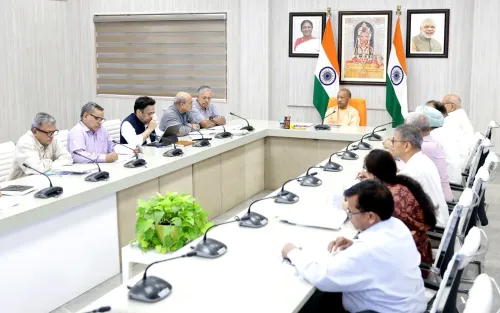
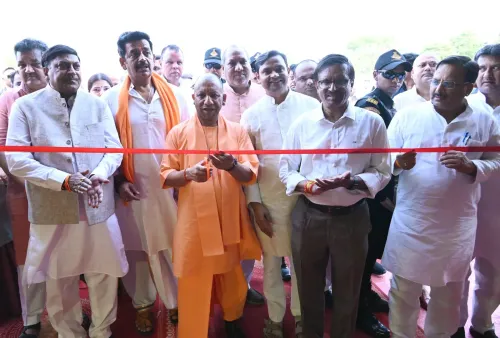
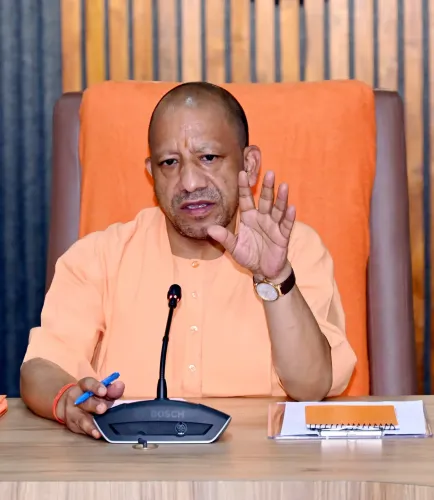
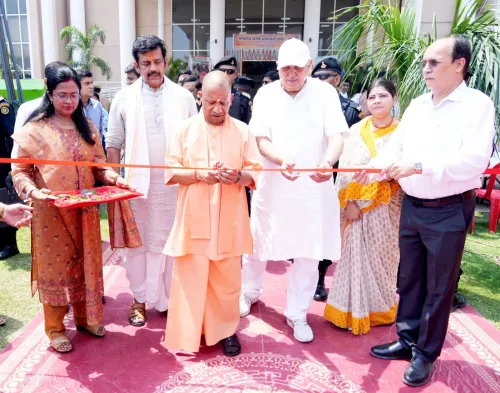
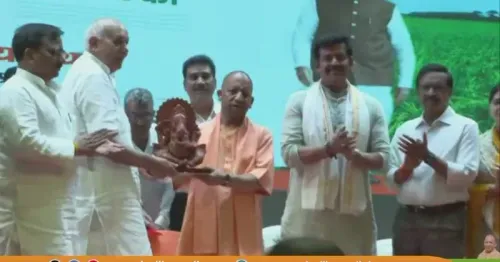
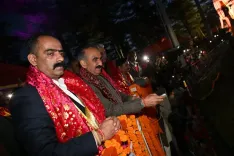
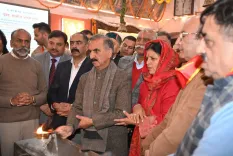
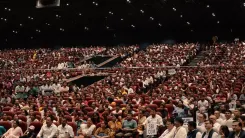
The Chief Minister's Office of Uttar Pradesh announced on 3 June 2026 that Chief Minister Yogi Adityanath joined the inaugural session of the Joint Divisional Kharif Productivity Conference 2026 (Sanyukt Mandaliya Kharif Utpadakta Goshthi-2026) in Gorakhpur. The live broadcast from the venue was shared by the CMO through its official handle, signalling the formal launch of the state's divisional planning cycle for the 2026 kharif season.
In its post, the CMO wrote that the Chief Minister was 'participating in the launch programme of the Joint Divisional Kharif Productivity Conference-2026 in Gorakhpur'. The event is being held in the Chief Minister's home constituency, which has consistently served as a venue for major agricultural and administrative reviews of the Gorakhpur division and adjoining mandals of eastern Uttar Pradesh.
Context
Joint divisional productivity conferences are convened twice a year by the Uttar Pradesh Agriculture Department ahead of the kharif (monsoon) and rabi (winter) sowing seasons. They bring together district magistrates, deputy directors of agriculture, line-department officers and progressive farmers to finalise inputs, targets and outreach plans before sowing begins.
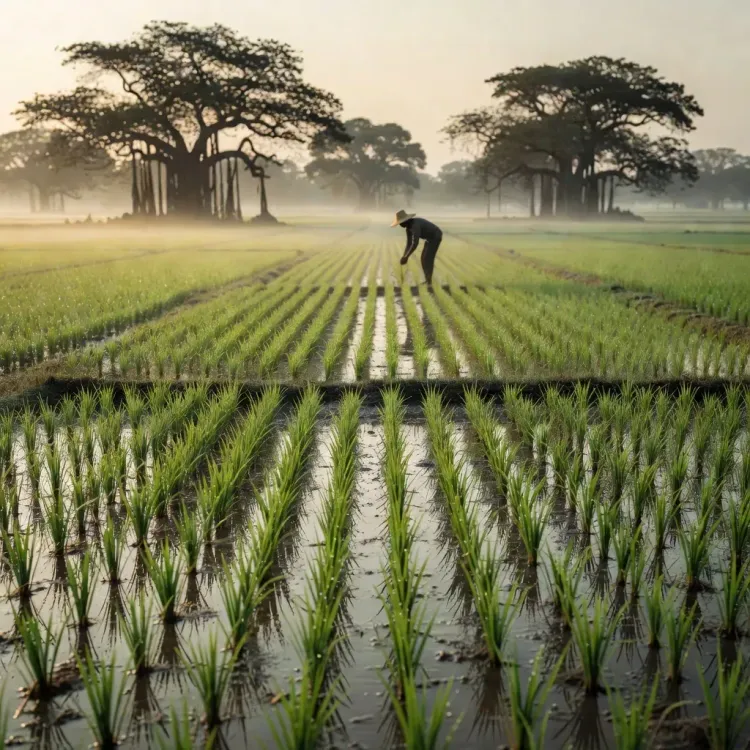
For the kharif cycle, the focus typically centres on paddy, maize, pulses such as arhar and urad, and oilseeds including groundnut and sesame. With the southwest monsoon expected to advance over eastern Uttar Pradesh in the coming weeks, the timing of the Gorakhpur meet aligns with the standard pre-sowing review window.
Policy backdrop
Since 2017, the state government has institutionalised divisional kharif and rabi review meetings as the principal mechanism for translating state and central agricultural goals into district-level action plans. The format requires each district to commit to production targets, seed replacement rates and micro-irrigation coverage.
In 2020, the state rolled out the Mukhyamantri Kisan Kalyan Yojana, which supports crop diversification and productivity enhancement, and which feeds into the targets discussed at these divisional gatherings. Successive conferences have also tracked progress on custom hiring centres, soil health cards and fertiliser allocation.
Stakeholders and impact
The primary stakeholders of the Gorakhpur conference are kharif farmers across the division and the district agriculture officers tasked with delivering seeds, fertilisers and advisory services. Outcomes from such meetings typically shape the rollout of seed minikits, the placement of fertiliser stocks at cooperative outlets, and the scheduling of farmer training camps.
For eastern Uttar Pradesh, where paddy dominates the kharif basket and flood-prone tracts demand careful crop planning, the divisional review is also an opportunity to align contingency strategies with the irrigation and revenue departments. Inputs flagged at the divisional level usually translate into block-level instructions within days of the conference.
What's next
Attention will now turn to district-level follow-up orders on seed minikits, fertiliser allocation and custom hiring centres for the 2026 kharif season, along with any revised production targets for Gorakhpur and neighbouring mandals. Similar divisional conferences are expected across other regions of the state in the run-up to widespread sowing.
If the targets set at Gorakhpur are matched by timely input delivery and weather support, the 2026 kharif cycle could mark another step in the state's sustained push for higher yields and broader coverage of modern farm practices in its eastern belt.
Point of View
A region historically lagging on yields. With kharif accounting for the bulk of the state's foodgrain output, the meet's real test will lie in input delivery and weather management over the next eight weeks.
NationPress
20 Oct 2026
Frequently Asked Questions
What is the Joint Divisional Kharif Productivity Conference 2026?
It is a pre-sowing review meeting organised by the Uttar Pradesh Agriculture Department to set district-level targets for paddy, pulses and oilseeds for the 2026 kharif season. The conference brings together administrative and agriculture officers from the Gorakhpur division.
Where and when did CM Yogi Adityanath inaugurate the kharif conference?
CM Yogi Adityanath inaugurated the conference in Gorakhpur on 3 June 2026. The launch was shared live by the Uttar Pradesh Chief Minister's Office on X.
Why is Gorakhpur the venue for this kharif conference?
Gorakhpur is CM Yogi Adityanath's home constituency and a major administrative hub for eastern Uttar Pradesh. It regularly hosts divisional reviews covering districts in the Gorakhpur mandal and adjoining regions.
What crops are the focus of UP's kharif season planning?
Paddy is the dominant kharif crop in Uttar Pradesh, followed by maize, pulses such as arhar and urad, and oilseeds including groundnut and sesame. Divisional conferences set sowing area and productivity targets for each.
What is the Mukhyamantri Kisan Kalyan Yojana?
It is a state scheme launched in 2020 that supports crop diversification and productivity enhancement for farmers in Uttar Pradesh. Its objectives are tracked through divisional productivity conferences like the one held in Gorakhpur.