CM Yogi Appeals: Plant a Tree in Your Mother's Name
Synopsis
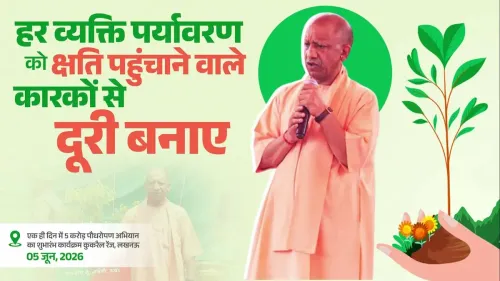
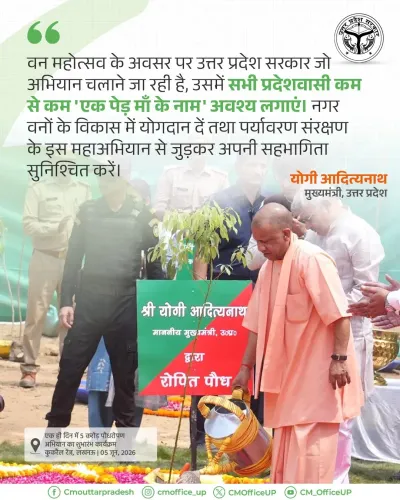
Uttar Pradesh Chief Minister Yogi Adityanath has appealed to every citizen to plant a tree in their mother's name under the Ek Ped Maa Ke Naam campaign. The call, timed to the monsoon season, continues UP's annual afforestation drives and aligns with national green-cover goals.
Key Takeaways
CM Yogi Adityanath on 23 July 2026 publicly appealed for mass participation in the Ek Ped Maa Ke Naam tree plantation campaign.
The campaign urges every individual to plant one tree dedicated to their mother, combining environmental action with cultural sentiment.
Uttar Pradesh has run large-scale plantation drives annually since 2017 , targeting tens of millions of saplings each season.
The initiative builds on India's Van Mahotsav programme, an annual tree-planting festival in existence since 1950 .
The appeal is timed to the monsoon season , when planting conditions and sapling survival rates are at their best.
The state forest department coordinates implementation, with district administrations, schools, and community bodies as key partners.
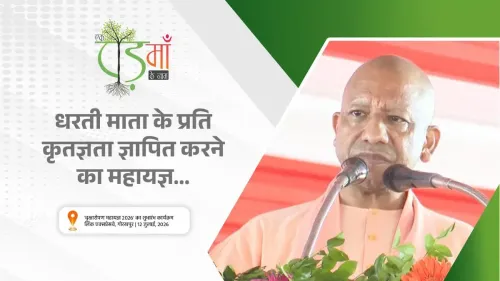
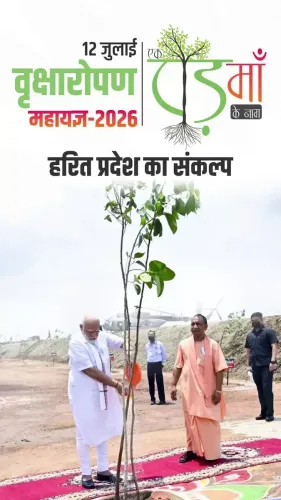
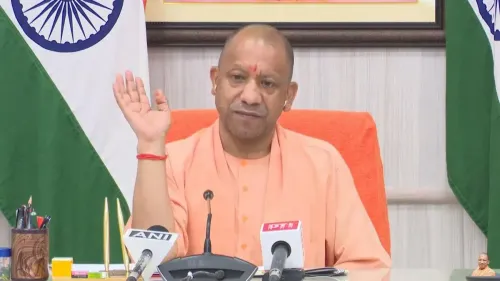
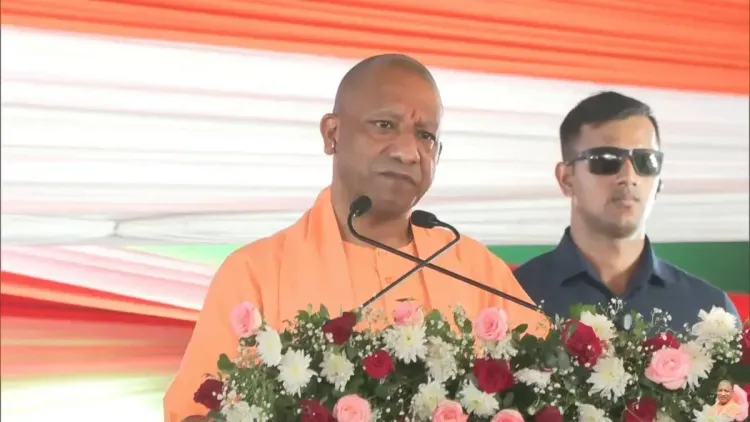
Uttar Pradesh Chief Minister Yogi Adityanath on Thursday, 23 July 2026, renewed his public appeal for citizens across the state to participate in the Ek Ped Maa Ke Naam campaign, urging every individual to plant at least one tree dedicated to their mother as part of an ongoing afforestation drive.
Context
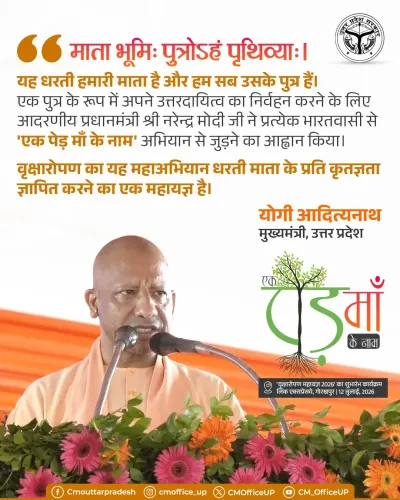
In his post on X, CM Yogi wrote: 'मेरी अपील है कि- हर एक व्यक्ति 'एक पेड़ माँ के नाम' लगाए' — translated as, 'My appeal is that every single person should plant a tree in the name of their mother.' The message, shared with a video, is directed at the general public and carries an emotional resonance by linking environmental action to maternal reverence.
The appeal comes during the monsoon season, widely regarded as the most favourable period for tree plantation in the Indian subcontinent. State governments and the central government have historically timed large-scale planting drives to coincide with the rains to maximise sapling survival rates.
Policy Backdrop
The Ek Ped Maa Ke Naam initiative is part of a broader national push for citizen-led afforestation, aligning with India's long-standing Van Mahotsav programme — an annual tree-planting festival first launched in 1950 — and with the current central government's emphasis on public participation in environmental action.
Uttar Pradesh has conducted large-scale plantation drives every year since 2017, with targets running into tens of millions of saplings annually. These drives are coordinated by the state forest department and typically involve district administrations, schools, and community bodies. The Ek Ped Maa Ke Naam framing adds a cultural and emotional dimension to what might otherwise be a routine government directive, aiming to deepen voluntary participation.
The campaign also aligns with India's commitments under its Nationally Determined Contributions to increase forest and tree cover as part of its climate obligations, making citizen plantation drives a point of convergence between state-level mobilisation and national climate policy.
Stakeholders and Impact
The primary audience for this appeal is the general public of Uttar Pradesh — one of India's most populous states — whose voluntary participation is central to achieving the drive's scale. The state forest department is the key implementing body, responsible for distributing saplings, monitoring plantation sites, and compiling participation data.
By invoking the image of a mother, the campaign seeks to transcend political messaging and appeal to a universal sentiment, potentially broadening participation beyond party workers and government employees to ordinary households. Environmental groups and schools have historically been active partners in such state-run drives.
What's Next
Attention will now turn to whether the state government releases data on sapling distribution, total trees planted, and survival rates at the close of the 2026 monsoon season. Such figures are typically used to assess the real-world impact of the drive beyond the publicity it generates.
Any integration of this campaign's outcomes with national afforestation targets or central government reporting frameworks will be a key indicator of how the Ek Ped Maa Ke Naam initiative feeds into India's larger green-cover ambitions in the years ahead.
Point of View
The campaign attempts to convert a bureaucratic target into a personal act of devotion. This approach has been a consistent feature of Uttar Pradesh's environmental mobilisation since 2017, suggesting it is now an institutionalised communication template rather than a one-off appeal. The real test, as always, will be in post-monsoon survival data, which will determine whether emotional resonance translates into measurable green cover gains.
NationPress
23 Jul 2026
Frequently Asked Questions
What is the Ek Ped Maa Ke Naam campaign?
Ek Ped Maa Ke Naam is a public tree plantation campaign that urges citizens to plant at least one tree dedicated to their mother, promoted by state governments and the central government as part of India's afforestation efforts.
Why did CM Yogi appeal for tree plantation in July 2026?
CM Yogi Adityanath made the appeal in July 2026 to coincide with the monsoon season, which is the most favourable time for planting trees as rainfall improves sapling survival rates.
How long has Uttar Pradesh been running tree plantation drives?
Uttar Pradesh has conducted large-scale annual tree plantation drives since 2017, with targets typically running into tens of millions of saplings per season.
What is Van Mahotsav and how does it relate to this campaign?
Van Mahotsav is India's annual tree-planting festival, first launched in 1950. The Ek Ped Maa Ke Naam initiative builds on this tradition by adding a citizen-participation and emotional dimension to organised afforestation.
Who implements the tree plantation drive in Uttar Pradesh?
The Uttar Pradesh state forest department is the primary implementing body, working alongside district administrations, schools, and community organisations to distribute saplings and monitor plantations.